
24/7 Customer Support

Free returns

Same-day & Next-day Delivery

Quality Guaranteed

Unlock Your Welcome Offers: FREE Delivery | Up to 80% OFF | Free 30-day JoyPlus trial
Download the APP
Digestive enzyme supplements can look remarkably similar online, yet their ingredients, strength, format and intended use may differ considerably. A broad enzyme blend may suit varied meals, while a formula containing alpha-galactosidase may be more relevant to people who regularly eat beans and other gas-producing foods.
The main challenge is separating useful product information from vague marketing language. Before buying digestive enzyme capsules or tablets, check what the formula actually contains, how it should be taken and whether it fits your dietary requirements.
A product containing many enzymes is not automatically appropriate for every meal or user. Protease is associated with protein digestion, amylase with carbohydrates and lipase with fats. Other ingredients have more specific roles: lactase is relevant to lactose, while alpha-galactosidase is commonly included in formulas aimed at beans, pulses and certain vegetables.
Look for clearly listed enzyme names and activity units, rather than judging a supplement solely by the number of ingredients.
Milligrams show the weight of an ingredient, but they do not always indicate how active an enzyme is. Labels may use units such as HUT, DU, FIP, ALU, GDU or SAPU. These describe activity using different measurement systems, so figures should not be compared directly across different enzymes.
A formula with a smaller stated weight may still provide clearly defined activity levels. The practical question is whether the label explains what each enzyme provides and how many capsules or tablets make up one serving.
Some digestive enzyme tablets contain milk, lactose, ox bile, pancreatin or gelatine. Others are suitable for vegans but may contain sorbitol, mannitol or botanical ingredients that do not suit everyone.
Always check the complete ingredient and allergen information. A product described as “natural” or “gut health support” still needs to be assessed against your diet, medication and personal circumstances.
For general digestive support, a broad formula may include amylase, protease and lipase, with additional enzymes such as cellulase, lactase, bromelain or papain. People following high-fibre diets may prefer a product that includes alpha-galactosidase and cellulase, while those focusing on protein-rich meals may look more closely at protease activity.
There is no single formula that suits every eating pattern. Consider the foods you regularly eat rather than selecting the longest ingredient list.
Many digestive enzyme capsules are intended to be taken immediately before or at the beginning of a meal. Some specialised products, such as betaine HCl digestive support, should not be taken on an empty stomach. Others have separate instructions depending on whether they are being used with food.
Follow the product label and do not exceed the stated dose. Taking more capsules does not necessarily provide better digestive support and may increase the chance of unwanted effects.
Capsules are convenient for regular use, while tablets may suit shoppers who prefer a firm format. Chewable digestive enzymes can be useful for people who dislike swallowing capsules, although sweeteners and sugar alcohols should be checked.
Vegans and vegetarians should look for plant-based capsule shells and confirm that the formula does not contain animal-derived pancreatin, ox bile, gelatine or milk ingredients.

Why This Fits Their Persona: A practical starting point for adults wanting one vegan capsule format for varied meals, including proteins, carbohydrates, fats, dairy, grains and fibres.
The label identifies individual enzymes and activity units instead of relying only on a general “full spectrum” description.
Vegan capsule shell; includes lactase, cellulase, alpha-galactosidase and bromelain.
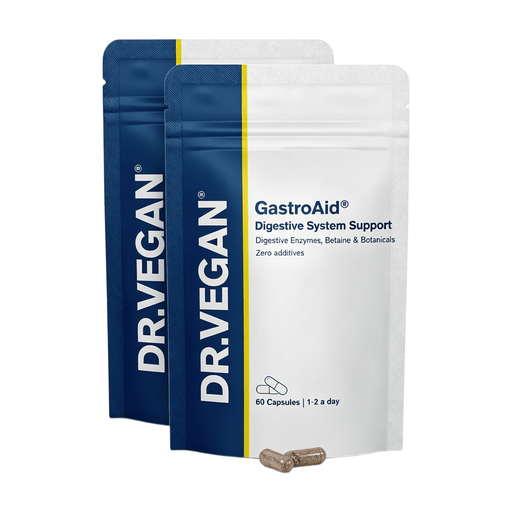
Why This Fits Their Persona: Suitable for adults seeking a vegan formula that combines digestive enzymes with familiar botanical ingredients.
The ingredient list makes the formula transparent, including betaine HCl, amylase, lipase, protease and plant extracts.
Vegan; free from gluten, wheat, soya, lactose and dairy; supplied in a two-pack format.

Why This Fits Their Persona: Designed for adults who regularly eat beans, lentils, vegetables or whole grains and want targeted support for those meals.
It specifically lists alpha-galactosidase, invertase, cellulase and hemicellulase rather than presenting only a general enzyme blend.
Vegan capsules; includes lactase as well as enzymes for carbohydrates and plant fibres.
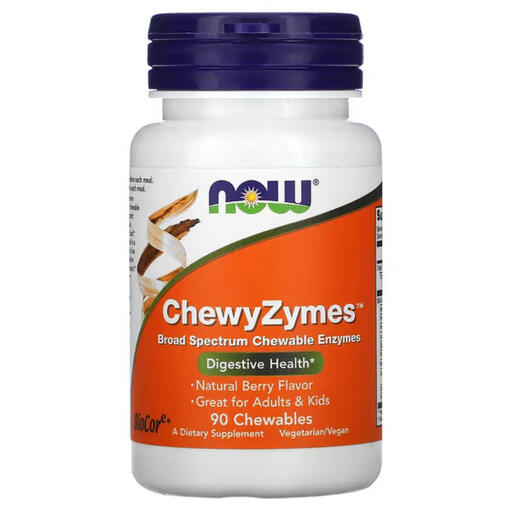
Why This Fits Their Persona: A berry-flavoured chewable option for adults and children aged four and over who may find capsules difficult to swallow.
The serving guidance separates adult and child use, and the formula specifies activity units for its enzyme blend.
Chewable format; vegetarian and vegan-friendly; includes lactase, amylase, protease and lipase.
We have compiled a complete, real-time list of products that fully satisfy these strict selection criteria and UK safety regulations.
Most products are intended for use immediately before or at the beginning of a meal. However, instructions vary. Betaine HCl products should not be taken on an empty stomach, while some bromelain supplements provide separate directions for use with food or between meals. Always follow the specific product label.
Some are, but not all. Check for a vegan capsule shell and confirm that the formula does not contain gelatine, pancreatin, ox bile, milk or lactose. Plant-derived enzymes such as papain and bromelain may appear in vegan digestive enzymes, but the full ingredient list remains the deciding factor.
Some formulas are designed around ingredients commonly used for particular foods, such as alpha-galactosidase for pulses and vegetables or lactase for lactose. Results can vary between individuals, and recurring, severe or unexplained bloating should be discussed with a GP or qualified healthcare professional rather than managed solely with supplements.
Food supplements should not replace a varied, balanced diet. Read the label before use, check warnings carefully and seek medical advice if you are pregnant, breastfeeding, taking medication or have an existing digestive condition.