
24/7 Customer Support

Free returns

Same-day & Next-day Delivery

Quality Guaranteed

Unlock Your Welcome Offers: FREE Delivery | Up to 80% OFF | Free 30-day JoyPlus trial
Download the APP
Choosing digestive fibre supplements can seem straightforward until you compare powders, capsules, gummies, probiotics and multi-fibre blends. The right option depends on the type of fibre, the amount supplied per serving, your preferred format and how your digestive system responds.
For UK shoppers, convenience also matters. A powder may offer more fibre per serving, while capsules can be easier to carry to work. Vegan, gluten-free, low-carbohydrate and allergen-conscious buyers may need to inspect the full ingredient list rather than relying on front-of-pack claims.
A bottle containing 200 capsules may look economical, but each capsule could contain only 500mg of fibre. Compare the grams of dietary fibre per recommended daily serving, not just the number of capsules in the pack.
Prebiotic fibre supplements, including inulin powder, can cause temporary gas, bloating or abdominal discomfort when introduced suddenly. This does not mean a product is unsuitable, but it does mean the starting amount matters. Follow the label, begin with a smaller quantity where advised and increase gradually.
Soluble fibre absorbs water and may form a gel. Taking it with too little fluid can make the experience uncomfortable. Fibre may also affect the absorption timing of some oral medicines. If you take prescription medication, ask a pharmacist or healthcare professional how to space it safely.
Probiotic fibre supplements combine bacteria with fibre, but these are not interchangeable ingredients. Psyllium, apple pectin and inulin provide different types of fibre, while probiotics supply named bacterial strains. Check the amount, strain information and serving directions rather than assuming that a combined product automatically suits your needs.
Soluble fibre absorbs water and may form a gel. Psyllium husk and apple pectin are common examples. Inulin is a soluble prebiotic fibre that is fermented by gut bacteria, while mixed formulas may contain both soluble and insoluble sources.
For people seeking fibre supplements for regularity, psyllium is often selected because it is a bulk-forming fibre. Those wanting to add a prebiotic ingredient to drinks or meals may prefer inulin powder. A multi-fibre formula can suit shoppers who want several plant sources in one product, although the amount of each ingredient may be relatively modest.
Look beyond phrases such as “high strength”. For example:
These figures are not directly interchangeable because products use different serving sizes and ingredient formats. Use the product label as the final reference.
Powders are easy to add to porridge, yoghurt, smoothies or drinks, but they require measuring and mixing. Capsules are portable, while gummies may be more appealing if you dislike swallowing tablets. Check sugar, sweeteners, allergens and capsule materials if you follow a vegan, vegetarian, keto or restricted diet.
Also check pack size against the daily serving. A 60-capsule pack taken at two capsules daily provides around 30 days. A larger powder pouch may offer more servings, but only if you use it consistently and store it securely away from moisture.
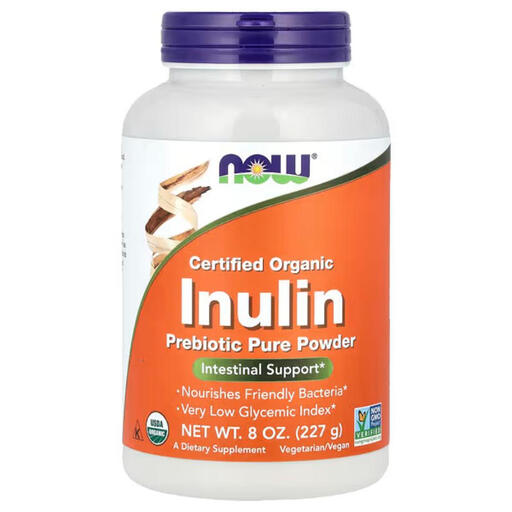
Why This Fits Their Persona: A single-ingredient powder gives newcomers a straightforward way to add measured prebiotic fibre to drinks or food.
The label states the serving size and recommends starting with one teaspoon daily before increasing gradually.
Organic inulin; vegan, non-GMO, kosher and halal suitable according to the supplied product information.
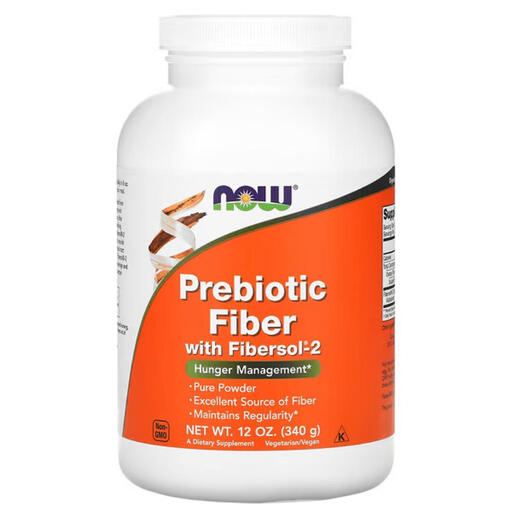
Why This Fits Their Persona: The 340g format suits regular powder users who want a larger supply for home use.
It identifies 100% organic inulin and approximately 2.5g dietary fibre per 2.8g teaspoon, making comparison easier.
Unflavoured powder; vegan, organic, non-GMO and gluten-free according to the supplied information.
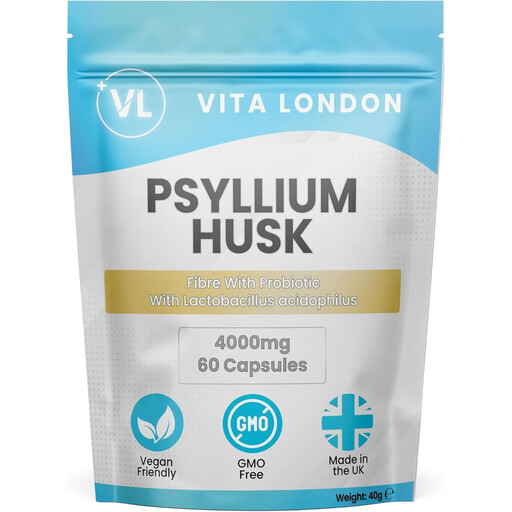
Why This Fits Their Persona: Capsules are practical for commuters, travellers and shoppers who do not want to mix a powder.
The serving clearly states two capsules, 4,000mg psyllium husk extract equivalent and 200 million CFU of acidophilus.
Vegan capsules; stated to contain no gluten, dairy, wheat, added sugars or artificial preservatives.
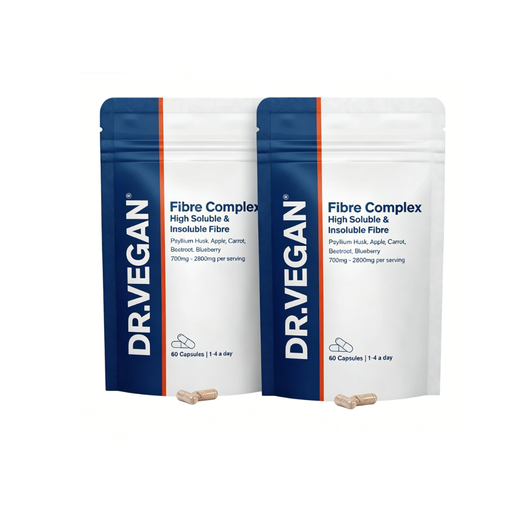
Why This Fits Their Persona: Suitable for adults wanting several plant fibre sources in a capsule format, with the option to open the capsules into food or drinks.
The ingredient panel lists psyllium, apple, carrot, beetroot and blueberry fibre rather than hiding the blend behind a generic complex.
Free from gluten, wheat, soya, lactose and dairy; one to four capsules daily according to the supplied directions.
We have compiled a complete, real-time list of products that fully satisfy these strict selection criteria and UK safety regulations.
The usable period depends on the product’s best-before date, storage instructions and packaging. Keep powders tightly sealed in a cool, dry cupboard and protect capsules from heat and moisture. Always follow the date and batch information printed on the product label.
Some products are designed for daily use, but the appropriate amount depends on the formula and your overall diet. Start according to the label, drink sufficient water and avoid combining several high-dose fibre products without professional advice.
Some products combine both, such as psyllium and acidophilus capsules. Others are separate supplements. Taking them together may be suitable for some adults, but check the directions and ask a pharmacist if you take medication, are pregnant or breastfeeding, or have a diagnosed digestive condition. Product formulations and instructions can change, so check the current packaging before use.