
24/7 全天候客户支持

免费退货

当日/次日达

品质保障

开启新人专享福利: 全场免邮 | 低至 2 折 | 免费试用 30 天 JoyPlus 会员
下载 Joybuy
Choosing digestive health products can be confusing. Online shelves combine probiotics, prebiotic fibre, digestive enzymes, apple cider vinegar tablets and biscuits under similar-sounding labels, even though they serve very different purposes.
Marketing can also make ordinary foods sound medicinal. The word “digestive” on a biscuit, for example, describes a traditional product name rather than a proven digestive treatment. A sensible purchase starts with the label, the intended user and the format you are most likely to use consistently.
Digestive biscuits are snacks, not digestive support supplements. Chocolate digestive biscuits and standard wheat biscuits can be enjoyable with tea, but their name does not mean they improve digestion or relieve discomfort. Check the nutrition panel as well: some chocolate varieties provide around 83 calories per biscuit, with notable amounts of sugar and saturated fat.
A large CFU figure alone does not tell you whether a product suits your needs. CFU means colony-forming units, referring to the number of live microorganisms declared by the manufacturer. Buyers should also check:
A lower-count chewable may be more practical for a child, while an adult may prefer a capsule with several named strains.
Prebiotic fibre supplements, including chicory root inulin, can be useful for increasing fibre intake, but a sudden large serving may cause temporary gas or bloating. Start with the stated introductory amount, drink enough fluid and increase gradually only if the label allows it. A product labelled vegan or gluten-free still needs to fit your complete diet and personal tolerance.
For probiotics for gut health, look beyond phrases such as “friendly bacteria”. Confirm the strains, CFU per serving and whether the product is suitable for your age group. Vegan shoppers should check both the capsule shell and the culture medium. Some products are vegetarian but may contain milk-derived ingredients.
For vegan digestive supplements, useful checks include gelatin-free capsules or pectin-based gummies, dairy-free status and the presence of allergens such as soya. Gluten-free shoppers should distinguish between a certified or clearly labelled gluten-free biscuit and a standard wheat digestive.
The most suitable format is one you can use correctly. Capsules may suit adults who prefer a once-daily routine. Chewables and gut health gummies can be more convenient for people who dislike swallowing tablets, but check sweeteners and age guidance.
Some products require refrigeration, while others are designed for cool, dry cupboard storage. Follow the label rather than assuming every probiotic is shelf-stable. Keep all supplements away from children and do not exceed the recommended daily amount.
For biscuits and snacks, compare per-biscuit information rather than relying only on figures per 100g. Schär Gluten Free Digestive Biscuits, for example, provide 49 kcal per 10g biscuit and contain soya, while conventional chocolate digestives contain wheat, milk and soya.
A zero-sugar biscuit may use sweeteners such as maltitol or isomalt. The Gullon Zero Sugar Free Original Digestives label warns that excessive consumption may produce a laxative effect, so “sugar-free” does not mean unlimited.
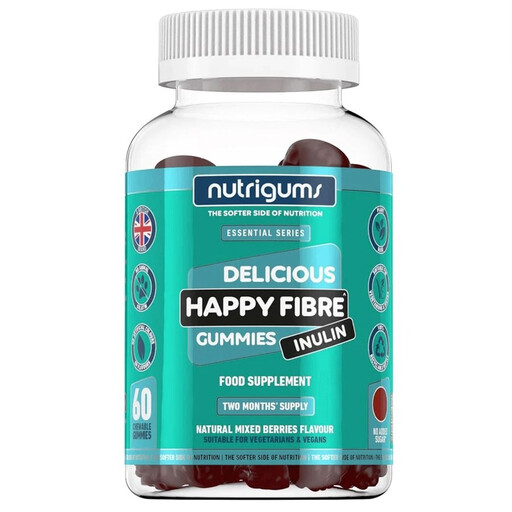
Why This Fits Their Persona: A chewable format can be a straightforward starting point for adults or children aged 5 and over who want to add inulin fibre without measuring powder.
The serving is clearly stated as two gummies, providing 3.8g of chicory root inulin, rather than relying on vague fibre wording.
Vegan, gluten-free and free from artificial colours; 60 gummies provide 30 stated servings.
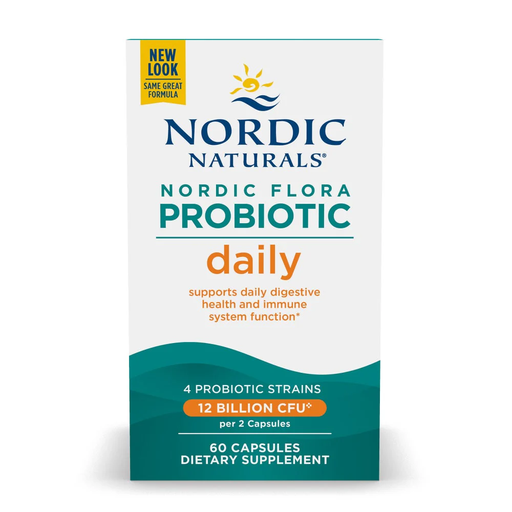
Why This Fits Their Persona: Adults wanting a measured daily capsule may value its four-strain formula and stated 12 billion CFU per serving.
The label identifies the probiotic blend and includes 20mg of fructooligosaccharides, allowing a more informed comparison than a generic “gut blend”.
Vegan and dairy-free capsule format; one capsule daily according to the supplied directions.
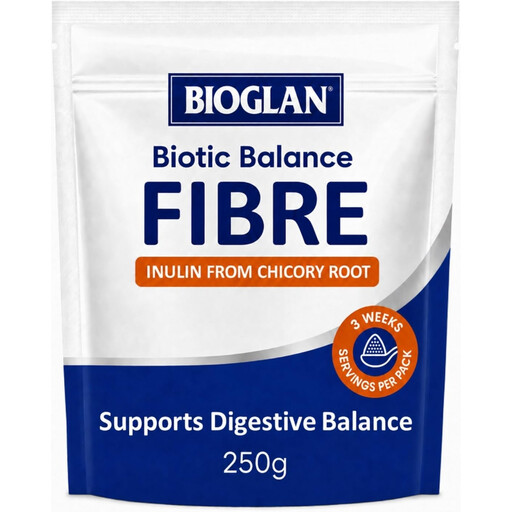
Why This Fits Their Persona: Powder suits adults who want to adjust serving size or add fibre to porridge, yoghurt, smoothies or drinks.
It lists native chicory root inulin as the single ingredient, with guidance to begin at 5g daily and increase gradually.
100% vegan, gluten-free and soy-free; 250g format allows repeated use according to the label.
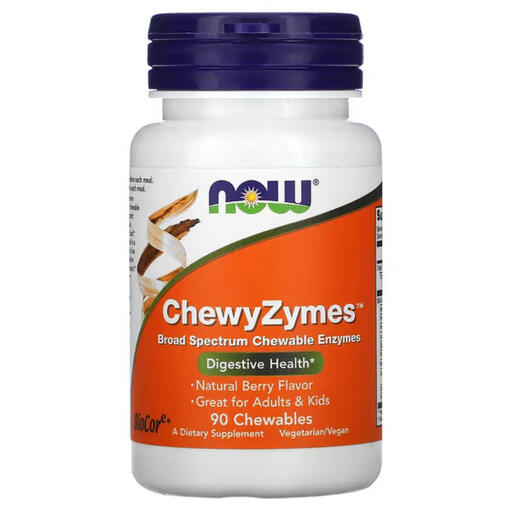
Why This Fits Their Persona: Berry-flavoured chewables are designed for adults and children aged 4 and over who find capsules inconvenient.
The formula names enzymes including amylase, protease, lactase and lipase, rather than using only a broad digestive-support claim.
Vegetarian formula; dosage guidance is provided separately for adults and children aged 4 and over.
We have compiled a complete, real-time list of products that fully satisfy these strict selection criteria and UK safety regulations.
They are generally snack foods, not medicinal products. Traditional, chocolate, gluten-free and sugar-free digestive biscuits can differ considerably in fibre, sugar, fat and allergens. Choose them according to taste and dietary needs, not as a substitute for digestive support supplements.
Follow the product label and begin with its recommended starting serving. Increase gradually only where directed, drink sufficient water and stop if persistent discomfort develops. Adults with a medical condition or those taking medicines should seek advice from a healthcare professional before use.
Shelf life varies by formula and storage instructions. Check the best-before date, seal and storage temperature on the packaging. Some capsules require refrigeration, while certain gummies and chewables are intended for a cool, dry cupboard. Do not use a product if its seal is broken or the appearance has changed unexpectedly.