
24/7 Customer Support

Free returns

Same-day & Next-day Delivery

Quality Guaranteed

Unlock Your Welcome Offers: FREE Delivery | Up to 80% OFF | Free 30-day JoyPlus trial
Download the APP
Occasional bloating, irregular bowel movements and gas can make everyday meals uncomfortable. However, choosing among probiotic supplements, prebiotic fibre, digestive enzymes and digestive support capsules is not always straightforward. Product labels often use broad phrases such as “gut balance” or “digestive wellness” without explaining what the formula actually contains.
There are also two common buying traps. First, a product called a “digestive” is not necessarily designed to support digestion. Traditional digestive biscuits are still biscuits, not medicinal products. Secondly, a higher number on the front of a probiotic pack does not automatically make it more suitable. Strains, storage instructions, serving size and allergens all matter.
The word “digestive” on a biscuit packet is a historical name, not evidence of a digestive benefit. For example, traditional and chocolate digestive biscuits are convenient snacks, but they may contain wheat, sugar, palm oil, milk or soya. A gluten-free option such as Schär Gluten Free Digestive Biscuits contains maize starch, maize flour, soya flour, soya bran and buckwheat flour, so the allergen statement still needs checking.
Colony-forming unit, or CFU, figures describe the number of live cultures stated on the label, but they are only one part of the comparison. Check the named strains, recommended serving, storage requirements and whether the product contains milk-derived culture media. Some shelf-stable probiotic supplements are convenient for travelling, while others may have more specific storage guidance.
Inulin fibre and other prebiotic ingredients can be useful for increasing daily fibre intake, but a sudden large serving may cause temporary gas or abdominal discomfort. Start with the stated lower serving, drink enough water and increase gradually only if the label permits. This is particularly important when comparing powdered inulin with gummies or fibre-containing synbiotic capsules.
Choose the ingredient according to your shopping goal:
UK shoppers following vegan, vegetarian, gluten-free or dairy-free diets should read the full ingredients and “may contain” statements. A capsule can be vegan while its probiotic cultures are grown on milk medium. Likewise, a biscuit labelled gluten-free may still contain soya or warn of possible lupin traces.
Look for clear information on wheat, gluten, milk, soya, nuts and coconut. If you have an allergy or an ongoing medical condition, check the current packaging and ask a qualified healthcare professional before use.
Follow the product label rather than combining several products at their maximum doses. Fibre supplements usually require additional fluids. Enzyme products are commonly directed for use with meals, while probiotic products may advise avoiding hot drinks. Activated charcoal and mucilage-containing products can affect the absorption of medicines, so they should not be treated as casual additions to a supplement routine.
Food supplements should complement a varied, balanced diet and healthy lifestyle. Persistent pain, unexplained weight loss, blood in stools, prolonged diarrhoea or constipation requires medical advice rather than self-selection of supplements.
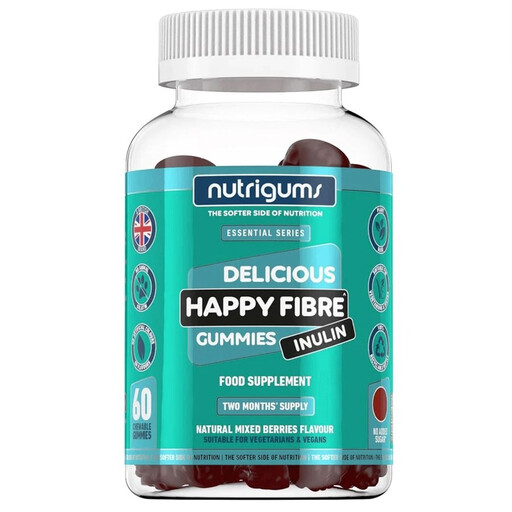
Why This Fits Their Persona: A chewable format can be easier for adults and children aged 5 and over who do not want powder or capsules. Two gummies provide 3.8g of chicory-root inulin fibre.
The fibre quantity is stated per serving, making it easier to compare with other prebiotic fibre products. Start within the stated daily limit to reduce the chance of discomfort.
Vegan, gluten-free and made with chicory-root inulin; 60 gummies provide a stated 30-day supply at two per day.
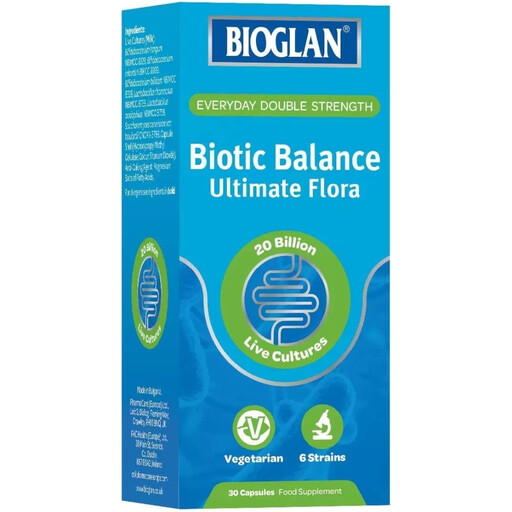
Why This Fits Their Persona: Suitable for adults wanting a defined multi-strain probiotic routine in a capsule rather than a sweet or powdered format.
The label identifies six cultures and states 20 billion live cultures per capsule, rather than presenting only a vague “gut health” blend.
One-capsule serving and room-temperature storage; contains milk-derived culture substrate, so it is not suitable for those avoiding milk.

Why This Fits Their Persona: A practical option for adults comparing broad enzyme coverage for varied meals containing protein, carbohydrate, fat, dairy or plant fibre.
The formula lists individual enzyme activities, including amylase, protease, lipase, lactase and cellulase, instead of relying only on a total blend weight.
Vegan capsules, 120-count bottle and directions to take one capsule with each meal; intended for adults.
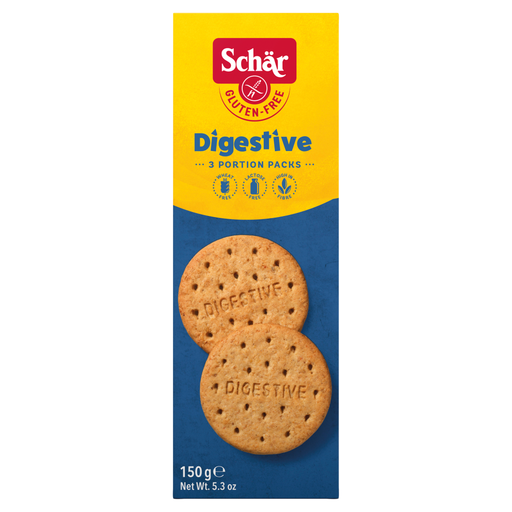
Why This Fits Their Persona: Designed for shoppers seeking a wheat-free biscuit for tea breaks or everyday snacking, rather than a digestive supplement.
The product is presented as a biscuit, so shoppers can distinguish a gluten-free snack from gut health supplements or medical products.
Wheat-free recipe with 8.5g fibre per 100g; contains soya and may contain lupin.
We have compiled a complete, real-time list of products that fully satisfy these strict selection criteria and UK safety regulations.
Some are designed for daily use, while others are intended for occasional support. Follow the serving instructions, age guidance and maximum daily dose on the label. Introduce fibre gradually and avoid stacking several products with the same active ingredient without professional advice.
The usable period depends on the product and packaging. Keep capsules or gummies tightly sealed, away from heat and moisture, and follow the stated best-before information. Do not assume that refrigeration is necessary; some products are specifically designed for room-temperature storage.
Digestive biscuits can contribute to everyday snacking, but their name does not make them a supplement. Check the nutrition panel, portion size and allergen information. For targeted fibre or microbiome support, compare a clearly labelled prebiotic fibre or probiotic product instead.