
24/7 Customer Support

Free returns

Same-day & Next-day Delivery

Quality Guaranteed

Unlock Your Welcome Offers: FREE Delivery | Up to 80% OFF | Free 30-day JoyPlus trial
Download the APP
Choosing digestive health supplements can feel unnecessarily complicated. Product pages often combine probiotics, prebiotic fibre, enzymes and herbal ingredients with broad promises about “detox”, “balance” or “comfort”. The practical question is simpler: what does your diet and routine actually need, and can the product be used safely and consistently?
This guide explains the key differences between gut health supplements, fibre products, probiotic supplements and herbal digestive supplements, while highlighting common buying traps for UK shoppers.
A large colony-forming unit (CFU) figure does not automatically make a probiotic suitable for everyone. Check:
For example, some probiotic supplements are shelf-stable, while water-based products may need refrigeration after opening. A product that does not fit your storage routine may be poor value, regardless of its headline number.
Inulin powder, psyllium husk and other prebiotic fibre supplements can help increase daily fibre intake, but a sudden increase may cause temporary gas or bloating. This is particularly relevant if your current diet is low in fibre.
Start with the product’s lower suggested amount where permitted, increase gradually and drink enough fluid. Do not assume that more fibre means better results. Always follow the label and seek medical advice if you have persistent symptoms, swallowing difficulties or a diagnosed digestive condition.
Terms such as “cleanse”, “flush” and “detox” can be marketing shorthand rather than a clear explanation of what a supplement does. Activated charcoal, chlorophyllin and herbal blends have different ingredients and precautions. Activated charcoal, for instance, may reduce the absorption of medicines and other supplements, so it should be kept apart from them as directed on the label.
Food supplements are not a replacement for a varied diet, medical treatment or professional advice. Persistent pain, blood in stools, unexplained weight loss, prolonged diarrhoea or ongoing constipation should be discussed with a healthcare professional.
Different formats serve different shopping purposes:
Avoid buying a multi-ingredient product when a single ingredient meets your requirement. A simple formula can make allergen checking and dose tracking easier.
A large pack size can be misleading if the serving requires several capsules or spoonfuls. Compare the active ingredient per daily serving, not just per capsule or per 100g.
For example, Solgar Psyllium Husks Fibre provides 1,000mg of psyllium husk per two capsules, while an inulin powder may provide several grams of soluble fibre per teaspoon. These are different formats with different preparation and hydration requirements.
Vegan digestive supplements are available in powders, vegetable capsules and liquid formats, but “plant-based” does not always mean allergen-free. Check for:
Always compare the online listing with the packaging supplied. Formulations, directions and packaging can change.
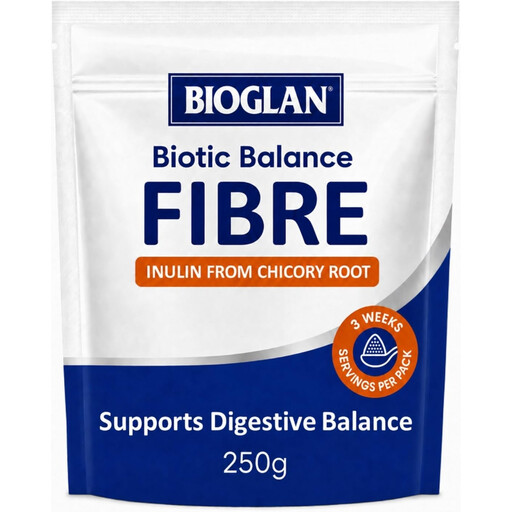
Why This Fits Their Persona: A single-ingredient powder suits adults who want to add measured soluble fibre to porridge, yoghurt, smoothies or drinks without committing to capsules.
The serving guidance starts at 5g and recommends gradual increases, helping new users avoid an abrupt fibre change.
100% native chicory root inulin; vegan, gluten-free and soy-free according to the supplied product information.
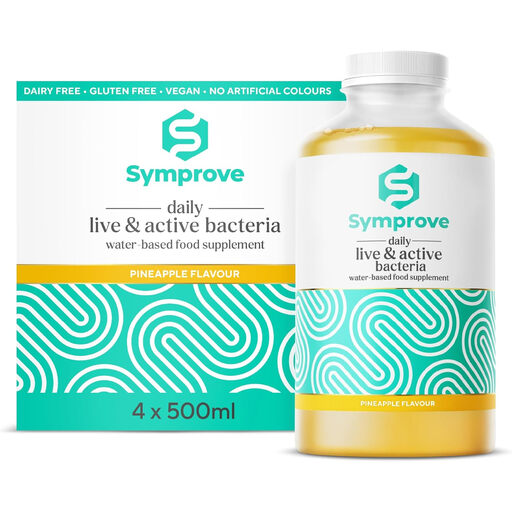
Why This Fits Their Persona: The measured 70ml morning shot provides a structured routine for adults seeking a vegan, dairy-free and gluten-free liquid probiotic format.
The product information states the CFU amount per shot and gives clear empty-stomach and opened-bottle refrigeration directions.
At least 10 billion CFUs per 70ml shot; natural pineapple flavour with no added sugars listed.

Why This Fits Their Persona: Adults who notice occasional meal-related gas after beans, lentils, vegetables or complex carbohydrates may prefer a capsule taken around meals.
The ingredient list identifies several enzymes, including alpha-galactosidase and lactase, rather than relying only on a generic “enzyme blend” description.
Vegan capsules; recommended use is one capsule up to three times daily, subject to the stated maximum.
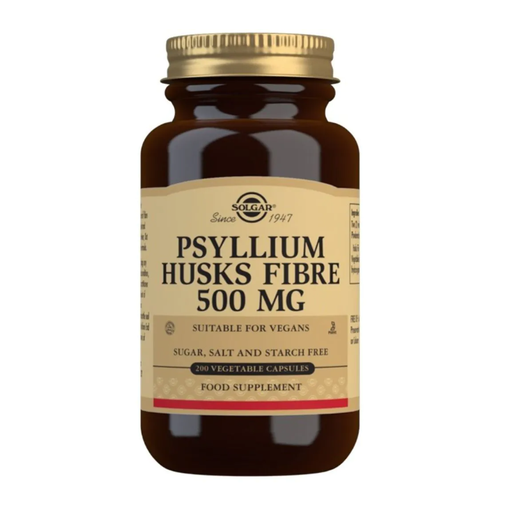
Why This Fits Their Persona: A capsule format may suit adults who do not want to mix powders into drinks or meals and need a clearly measured fibre serving.
The label specifies two capsules per serving and stresses taking them with at least 8 ounces of liquid.
Pure psyllium husk listed as the active fibre; vegan capsule shell and 200-capsule pack.
We have compiled a complete, real-time list of products that fully satisfy these strict selection criteria and UK safety regulations.
The cheapest option is not always the one with the lowest shelf price. Compare cost per daily serving, the number of servings in the pack and whether the product requires refrigeration or preparation.
Powders may offer flexibility and a higher amount of fibre per serving, but capsules can be easier to use at work or while travelling. Liquid probiotics can fit a morning routine, although opened bottles may need fridge space. For children, only consider products with clear age guidance; some chewable probiotic products are listed for children aged four and over, but they may contain milk, soya or added sugar.
Do not combine several products with overlapping fibre, probiotics or herbal ingredients without checking the labels. If you take prescription medicines, ask a pharmacist or GP about suitable spacing and possible interactions.
Shelf life varies by product. Check the best-before date and storage instructions. Powders should usually be resealed to limit moisture, while some liquid probiotics must be refrigerated and used within a stated period after opening. Do not use a supplement if the seal is damaged or the product has changed unexpectedly.
Some products are marketed for use alongside antibiotics, but timing and suitability depend on the individual product and your health circumstances. Follow the label and ask a pharmacist or GP about spacing. A probiotic is not a replacement for prescribed treatment.
Choose inulin powder if you want a soluble prebiotic fibre that can be mixed into food or drinks. Choose psyllium husk capsules if a measured capsule format is more convenient. Both require careful dosing and sufficient fluid, and either may cause digestive discomfort if introduced too quickly.