
24/7 Customer Support

Free returns

Same-day & Next-day Delivery

Quality Guaranteed

Unlock Your Welcome Offers: FREE Delivery | Up to 80% OFF | Free 30-day JoyPlus trial
Download the APP
Digestive health supplements can look similar on a shelf, yet their ingredients, dosage instructions and intended uses vary considerably. A probiotic, digestive enzyme and fibre supplement are not interchangeable, so choosing by the largest number on the front of the pack can lead to unnecessary spending or disappointing results.
For UK shoppers, the practical question is not simply which product has the most ingredients. It is whether the formula matches your specific routine, dietary requirements and reason for buying.
A probiotic may display billions of colony-forming units (CFU), while a fibre product may show grams per serving. These figures describe quantity, not how suitable the product is for you. Check the strains, ingredients, serving size and storage instructions rather than comparing headline numbers alone.
For probiotics for gut health, look for named bacterial strains and a clear statement about CFU, including whether the figure applies at manufacture or until the expiry date. Live cultures may also require refrigeration or protection from heat.
Some digestive support capsules are designed to be taken with meals, while others are intended for short-term or occasional use. Enzyme formulas may be used around meals, whereas prebiotic fibre is usually introduced gradually. Herbal products may also have specific cautions and should not automatically be combined with medicines or other digestive products.
Do not assume that a product marketed for “detox” or “cleansing” is suitable for everyday use. Read the age guidance, maximum duration and warnings on the packaging.
“Plant-based” does not always mean free from every allergen. Some capsules use gelatine, and certain enzyme tablets contain milk or lactose. A vegan digestive supplement should still be checked for manufacturing statements, excipients and allergen information.
For families, take extra care with age guidance. A product suitable for adults may not be appropriate for children. Supplements should not replace a varied diet, and persistent bloating, pain, diarrhoea or constipation should be discussed with a GP or pharmacist.
Choose the ingredient category according to your main goal:
Compare the amount per serving, not only the amount per capsule. For example, NOW Foods Betaine HCl provides 648 mg per capsule, with the product information stating that two capsules provide a 1,296 mg serving. It is intended to be taken at the beginning of a meal and not on an empty stomach.
Powders can be useful when increasing fibre, but they require accurate measuring and enough liquid. Capsules are portable, while chewables or flavoured formats may be easier for some households. Always follow the label rather than combining products to create a higher dose.
Look for clear information on:
UK food supplements must be labelled as food supplements and should not be presented as treatments or cures for medical conditions. Check the packaging supplied with your order, as formulations and directions can change.
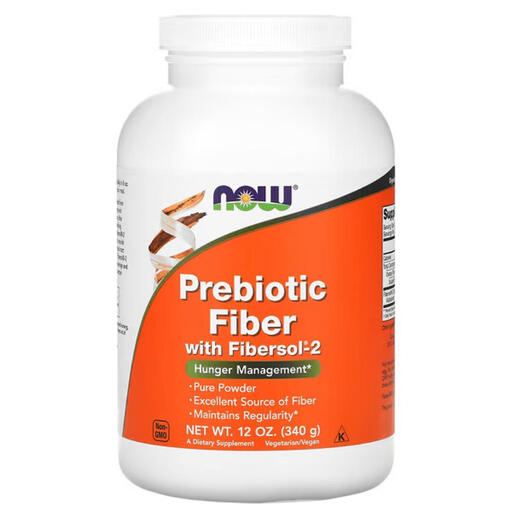
Why This Fits Their Persona: A single-ingredient powder offers a straightforward way for adults to add prebiotic fibre to drinks, porridge or smoothies without buying a multi-product routine.
The label identifies 100% organic inulin and gives a measured teaspoon serving, avoiding an unclear proprietary blend.
Unflavoured, vegan and supplied in a 340 g format. Start with a smaller amount if your usual fibre intake is low.

Why This Fits Their Persona: Suitable for adults seeking a vegan synbiotic format combining named live cultures with inulin and psyllium.
The product lists six strains and states that the CFU figure is measured at manufacture, giving more context than a headline number alone.
One vegan capsule provides 50 billion stated CFU, plus 100 mg inulin and 50 mg psyllium husk.

Why This Fits Their Persona: A meal-focused option for adults who notice occasional gas after eating beans, lentils, vegetables or other complex carbohydrate foods.
Its ingredient list identifies alpha-galactosidase, lactase and other enzymes rather than presenting the formula as an unspecified blend.
Vegan capsules with amylase, protease, lipase, lactase, cellulase and alpha-galactosidase. The label advises taking one capsule before a meal, up to three daily.
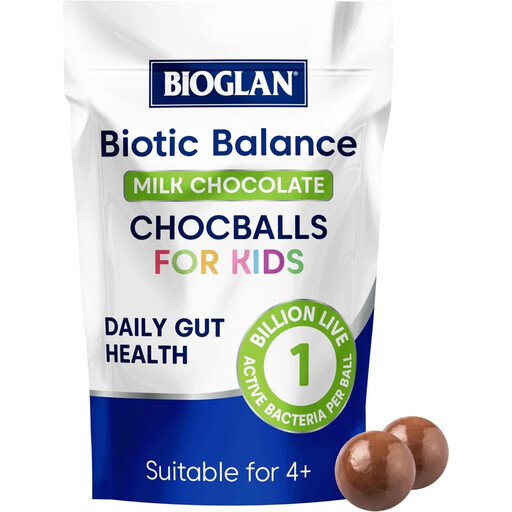
Why This Fits Their Persona: A chewable format listed for children aged four and over, as well as adults, may be easier than capsules for some households.
The age range and maximum daily amounts are stated. It also clearly identifies milk and soya, helping families screen for allergens.
Each chocolate ball contains stated live cultures and inulin, with no refrigeration required according to the supplied product information.
We have compiled a complete, real-time list of products that fully satisfy these strict selection criteria and UK safety regulations.
Begin with one product that matches your intended use and follow the stated serving size. If using prebiotic fibre, start below the full serving and increase gradually while drinking enough water. Avoid introducing several new supplements at once, as this makes it difficult to identify the cause of any discomfort.
Not always. Storage depends on the product. Some capsules are designed for room-temperature storage, while water-based live cultures may need refrigeration after opening. Follow the product label and keep supplements away from heat, humidity and direct sunlight.
Do not assume that supplements are automatically compatible with medicines. Fibre, herbal ingredients and acid-related formulas may require separation or professional advice. Speak to a pharmacist or GP before use if you take regular medication, are pregnant or breastfeeding, or have a diagnosed gastrointestinal condition.