
24/7 全天候客户支持

免费退货

当日/次日达

品质保障

开启新人专享福利: 全场免邮 | 低至 2 折 | 免费试用 30 天 JoyPlus 会员
下载 Joybuy
Dealing with bloating, gas or general digestive discomfort can be a frustrating part of daily life. Many of us in the UK turn to digestive health supplements for support, but the market is crowded with confusing claims and over-hyped formulas. It's easy to spend money on products that don't deliver, either because they aren't right for your specific needs or they contain more marketing than substance.
As a Joybuy Product Recommendation Officer, my role is to help you navigate this landscape. We will look at the common pitfalls that lead to poor choices and break down the essential factors to consider, ensuring you can find a supplement that genuinely supports your well-being without the guesswork.
Before you add anything to your basket, be aware of these frequent marketing traps that can lead to a wasted purchase:
To make an informed choice, focus on these three key parameters. Understanding them will help you match a product to your actual needs.
Gut health supplements are not all the same. They fall into distinct categories, each with a different function:
The format of a supplement affects its convenience and suitability for your lifestyle.
Always scrutinise the full ingredient list. A trustworthy supplement will be transparent about what it contains and what it doesn't. For those with specific dietary requirements, look for clear labelling for vegan probiotics, gluten-free and dairy-free formulas. Avoid products with long lists of artificial colours, flavours and unnecessary binders.
Instead of a generic list, we've matched specific products to different user needs, helping you find a practical solution.
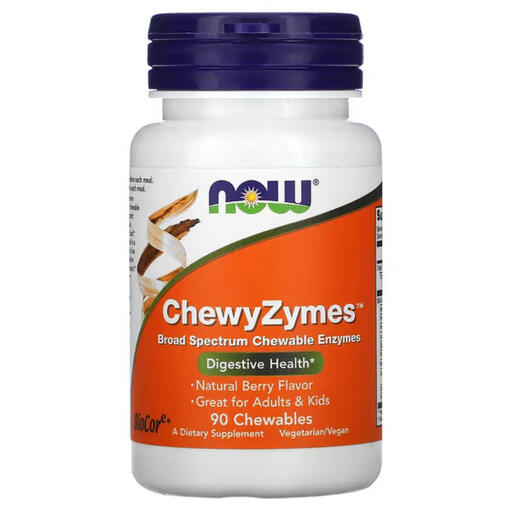
Why This Fits Their Persona: Perfect for UK households needing a single, easy-to-take solution for both adults and children (ages 4+). The chewable format removes the difficulty of swallowing pills, making it ideal for supporting digestion after family meals.
It sidesteps the "one-size-fits-all" trap by providing targeted digestive enzymes for meal-time support, rather than being a vague "gut health" blend. The ingredient list is clear about its sweeteners.
Features a broad-spectrum, vegetarian enzyme blend to help break down proteins, fats and carbs. The convenient chewable format and natural berry flavour make it family-friendly.
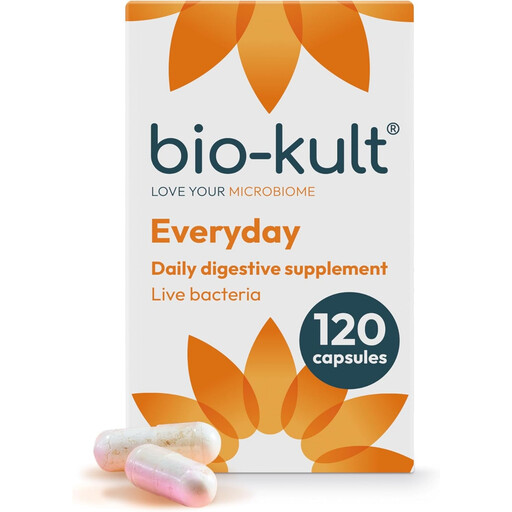
Why This Fits Their Persona: Ideal for someone with a demanding lifestyle who needs a reliable, once-a-day supplement for long-term gut maintenance. It requires no refrigeration, making it perfect for travel or keeping at the office.
This product avoids the "Billion CFU" trap by focusing on strain diversity, offering 14 different live bacterial strains to support a complex microbiome, rather than just a high number of one or two.
Its multi-strain formula is designed for comprehensive daily support. The strains are stable at room temperature, ensuring potency without the need for refrigeration. It's a simple, effective choice for everyday gut balance.
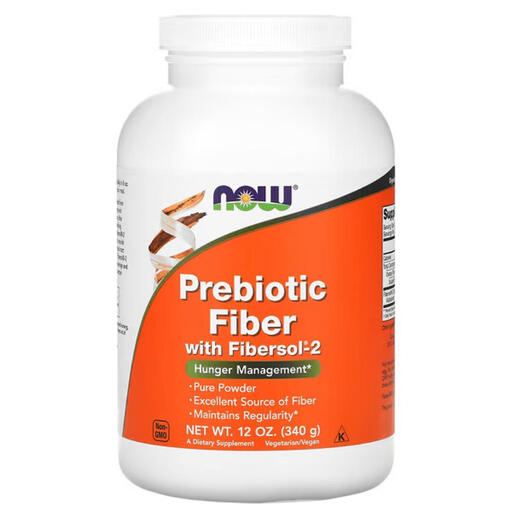
Why This Fits Their Persona: An excellent choice for vegans or anyone looking to increase their soluble fibre intake cleanly. This unflavoured powder can be easily added to smoothies, oats or water to support regularity and nourish gut bacteria.
This product avoids the "hidden fillers" trap completely. It is 100% pure, certified organic inulin powder, with no additives, sweeteners or artificial ingredients, offering pure prebiotic fibre.
It provides a pure, organic source of inulin (FOS) to selectively feed beneficial gut bacteria. The highly soluble, unflavoured powder format offers great value and versatility for daily use.
We have compiled a complete, real-time list of products that fully satisfy these strict selection criteria and UK safety regulations.
1. How long does it take for digestive health supplements to work? This varies depending on the person and the product. For digestive enzymes, you may notice a difference in comfort after the first meal. For probiotics and prebiotics, it can take anywhere from a few days to a few weeks of consistent use to notice changes in regularity and overall gut feeling as your microbiome adjusts.
2. Can I take probiotics and digestive enzymes together? Yes, they serve different functions and can be taken as part of the same routine. Digestive enzymes are best taken with or just before a meal to aid in the breakdown of food. Probiotics can generally be taken at any time of day, though some people prefer to take them on an empty stomach. Always check the product label for specific instructions.
3. Do all probiotics need to be kept in the fridge? Not anymore. While some live cultures do require refrigeration, many modern supplements use advanced freeze-drying and encapsulation technologies to ensure the bacteria remain stable and viable at room temperature. This makes them much more convenient for storage and travel. Check the storage instructions on the packaging to be sure.