
24/7 全天候客户支持

免费退货

当日/次日达

品质保障

开启新人专享福利: 全场免邮 | 低至 2 折 | 免费试用 30 天 JoyPlus 会员
下载 Joybuy
Digestive health supplements can look similar on a product page, yet their ingredients, dosage instructions and suitability vary considerably. A probiotic supplement is not interchangeable with a fibre supplement, while a digestive enzyme formula is intended for a different point in your routine.
The main risk is buying based on a large number on the front of the pack or a broad “gut health” promise. Before choosing, check what the product contains, how it should be taken and whether it fits your diet and existing medication.
A probiotic labelled with billions of CFU may appear attractive, but the figure is only one part of the comparison. Check the number and identity of strains, whether the count applies at manufacture or until the end of shelf life and whether storage requires refrigeration.
For fibre supplements, compare the actual amount of fibre or psyllium per daily serving rather than the total capsule count. Two products may contain similar numbers of capsules but provide very different daily quantities.
Digestive enzymes are generally taken with meals and contain enzymes such as amylase, protease, lipase or lactase. They may suit people looking for support with varied meals, dairy or fibre-rich foods.
Fibre supplements, including psyllium husk capsules and apple pectin, are used to increase fibre intake. They must be taken with sufficient liquid. Starting with a large dose can be uncomfortable, so gradual increases are important.
Probiotic supplements provide live cultures, sometimes alongside prebiotics such as inulin or fructooligosaccharides. They are not automatically suitable for everyone, particularly people with specific allergies or health conditions.
“Vegan” and “vegetarian” are not the same label. Check whether the capsule is made from cellulose or gelatine and review the full allergen statement. Some products use milk-based culture media even when the capsule itself is vegetarian. Others contain soya, coconut or ingredients derived from animal sources.
People following gluten-free, dairy-free or vegan diets should read the product label supplied with the item, as formulations and packaging may change.
For daily probiotic capsules, look for:
For example, Nordic Naturals Probiotic Gut Health Daily Digestive Support provides four named probiotic strains and 12 billion CFU per serving, with one capsule recommended daily. KIKI Health Body Biotics provides eight strains and a minimum of 1 billion live bacteria per capsule at manufacture, with room-temperature storage specified.
A higher CFU count is not a universal measure of suitability. The formula should match your preference for strain variety, dosage, storage and dietary compatibility.
Psyllium husk capsules and apple pectin are water-soluble fibre supplements. Their instructions typically require a full glass of water or juice, with additional fluids throughout the day.
Solgar Psyllium Husks Fibre provides 1,000mg of psyllium husk per two-capsule serving, while NOW Foods Apple Pectin provides 1.4g of apple pectin per two capsules. Vita London Psyllium Husk combines a stated 4,000mg equivalent of psyllium husk extract with 200 million CFU of Lactobacillus acidophilus per two-capsule serving. These quantities should be compared alongside serving size, not capsule count alone.
Digestive enzymes are usually taken immediately before or with food. Fibre may be recommended between meals, while some probiotics are taken with a meal or at a consistent time each day.
Herbal digestive support requires particular care. Cascara sagrada and senna-containing products are intended for short-term use according to their supplied directions, not as unrestricted everyday products. NOW Foods Cascara Sagrada specifies bedtime use and no continuous use beyond one week. Follow the label and seek medical advice if symptoms persist.
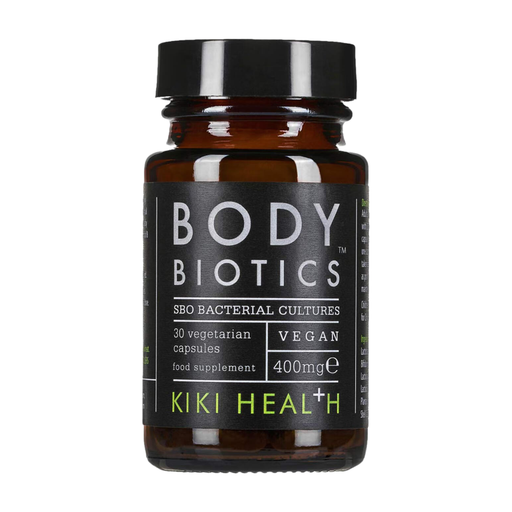
Why This Fits Their Persona: A one-capsule daily format suits adults starting a simple vegan or vegetarian digestive routine without refrigeration.
The listing states the live bacteria count at manufacture and gives a clear daily serving, avoiding vague “gut balance” wording without dosage information.
Eight listed strains; vegan capsule; no refrigeration required according to the product information.
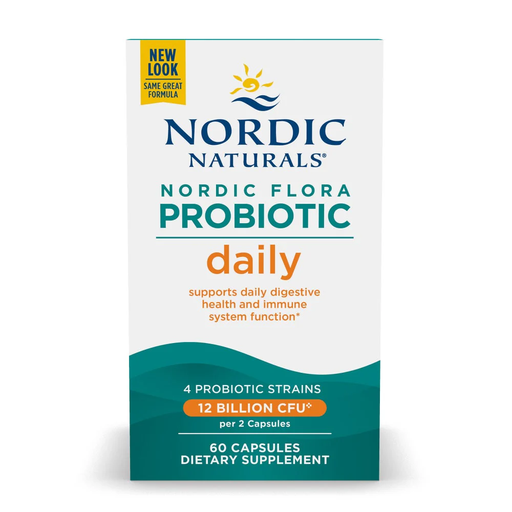
Why This Fits Their Persona: Suitable for adults who want a clearly specified daily probiotic with a two-month, 60-capsule supply.
It identifies four probiotic strains, gives the 12 billion CFU serving quantity and states the storage temperature requirements.
Four named strains; prebiotic fructooligosaccharides; vegan and dairy-free positioning in the supplied product details.

Why This Fits Their Persona: A practical option for adults who regularly eat varied meals containing proteins, carbohydrates, fats, dairy, grains and vegetables.
The label lists individual enzyme activities and instructs users to take one capsule with each meal, rather than suggesting it is a general-purpose capsule for any situation.
120 vegan capsules; broad enzyme blend; listed as free from wheat, gluten, soya, milk, egg, fish and shellfish ingredients.
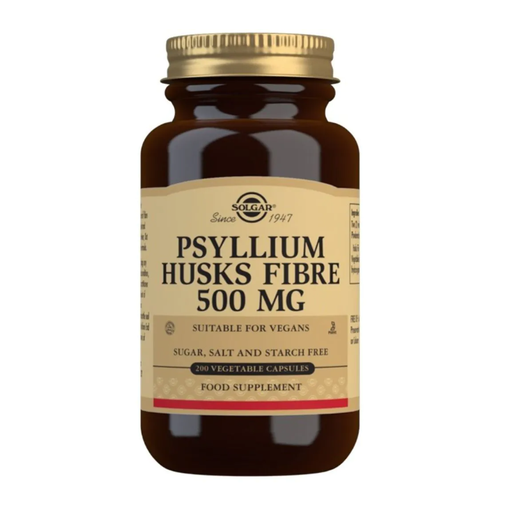
Why This Fits Their Persona: The 200-capsule pack suits adults seeking a capsule-based way to supplement fibre over a longer routine.
The serving size and psyllium quantity are stated clearly, alongside the requirement to take the capsules with at least eight ounces of liquid.
Vegan capsule format; 1,000mg psyllium husk per two-capsule serving; 200 capsules per pack.
We have compiled a complete, real-time list of products that fully satisfy these strict selection criteria and UK safety regulations.
Food supplements are not a substitute for a varied, balanced diet and healthy lifestyle. Persistent digestive symptoms should be discussed with a qualified healthcare professional rather than managed solely with supplements.
There is no single timeframe. Fibre routines may require gradual dose increases, while probiotic use is usually assessed over a consistent period stated on the label. Enzyme products are generally taken with the relevant meal rather than used as a long-term build-up product. If symptoms continue or worsen, seek medical advice.
Some products combine probiotics with fibre, but combining separate products can increase total fibre or duplicate ingredients. Check the serving sizes, drink enough fluid and introduce one product at a time where practical. Ask a pharmacist before combining supplements with medicines.
Not automatically. Vegan capsules may still contain or be produced alongside allergens such as soya, coconut or milk-derived culture media. Check the current packaging and allergen declaration every time, particularly when buying probiotic supplements or products made overseas.