
24/7 全天候客户支持

免费退货

当日/次日达

品质保障

开启新人专享福利: 全场免邮 | 低至 2 折 | 免费试用 30 天 JoyPlus 会员
下载 Joybuy
Digestive health supplements cover a wide range of products, from daily probiotics and prebiotic fibre to digestive enzymes, herbal capsules and pharmacy-style heartburn relief. The right choice depends on your symptoms, diet, age and how frequently you need support.
However, a polished label does not always tell you whether a product suits your routine. Before buying, watch for these common pitfalls.
A probiotic may advertise a large CFU figure, but the number alone does not explain which strains are included, whether the count applies at manufacture or until the best-before date, or how the product should be stored. A lower-count product with clearly listed strains and convenient storage may be more practical for everyday use.
Likewise, digestive enzymes should be assessed by the enzymes included and their activity units, not simply the total milligram weight.
Bloating and gas may relate to certain carbohydrates, meal size or fibre intake. A product containing alpha-galactosidase or a broader digestive enzyme blend is different from a probiotic.
Heartburn and acid reflux require a different category altogether. Antacids and alginate medicines are designed for short-term symptom relief and should be used according to the packet instructions. They are not interchangeable with daily gut health supplements.
Capsules may contain gelatine, milk-derived culture media, soya or other allergens. Some products also require separation from medicines. Activated charcoal, for example, may reduce the absorption of medicines, vitamins and other supplements. Fibre and mucilage-based ingredients can also affect absorption.
Always check the current packaging, allergen statement and dosage instructions before purchase, particularly if you are pregnant, breastfeeding, taking prescription medicines or choosing a product for a child.
For probiotics for gut health, check:
A shelf-stable option can be useful for commuting, travel or a busy household, while a refrigerated liquid may suit shoppers who already have a consistent morning routine.
Digestive enzymes are generally taken with food, because they are intended to work alongside a meal. Look for the specific enzyme matched to your eating pattern:
Follow the product’s own directions. Some targeted digestive support capsules are taken shortly before eating, while broader formulas are taken immediately before or with a meal.
Prebiotic fibre such as inulin can support beneficial gut bacteria, but increasing intake quickly may cause temporary gas or bloating. Start with the stated low serving, increase gradually if appropriate and drink enough fluid.
For vegan digestive supplements, check that the capsule shell is vegetable-based and that the full ingredient list—not just the front label—matches your dietary needs.
Food supplements support a diet and lifestyle; they are not intended to diagnose or treat disease. Products such as Rennie and Gaviscon are over-the-counter medicines, so follow their specific dosage limits and duration guidance. If heartburn continues, worsens or returns frequently, speak with a pharmacist or GP rather than relying on repeated self-treatment.
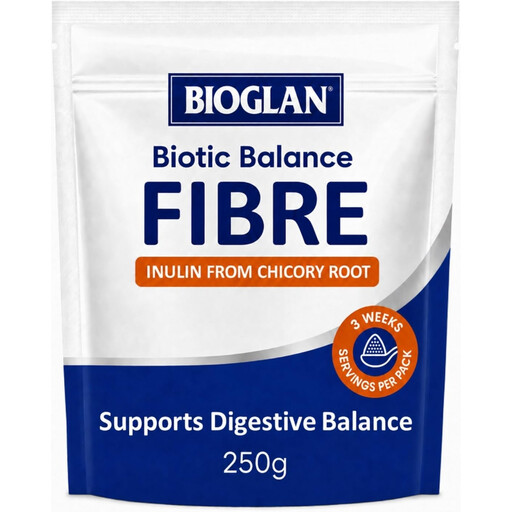
Why This Fits Their Persona: A single-ingredient powder offers a straightforward way for UK adults to add prebiotic fibre to porridge, yoghurt, smoothies or drinks.
The ingredient and suggested serving are clearly stated, avoiding a vague multi-ingredient blend. Introduce it gradually because fibre may initially increase gas.
100% chicory-root inulin; vegan, gluten-free and soya-free according to the supplied product information.
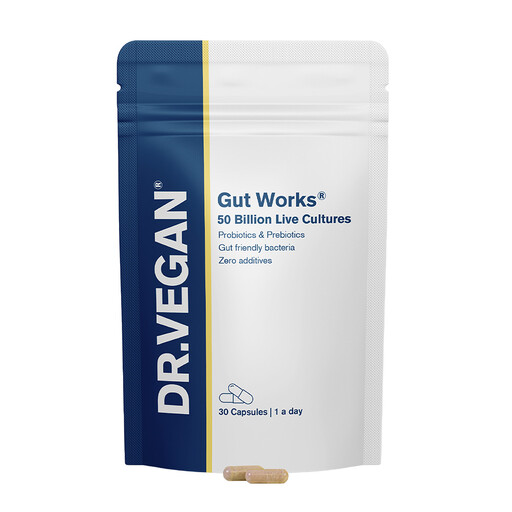
Why This Fits Their Persona: Designed for adults wanting a vegan, high-count daily probiotic with prebiotic ingredients in a capsule format.
The product lists six probiotic strains, 50 billion CFU per stated serving, inulin and psyllium rather than relying only on a headline strength.
Vegan capsule; listed as free from wheat, gluten, lactose, dairy and soya.

Why This Fits Their Persona: Suitable for adults who regularly eat varied meals containing proteins, fats, dairy, grains and vegetables and want one broad enzyme formula.
The label identifies individual enzymes and activity units, making the formula easier to compare than an unspecified “digestive complex”.
Vegan capsule; includes amylase, protease, lipase, lactase, bromelain and alpha-galactosidase.

Why This Fits Their Persona: A chewable over-the-counter format is convenient for adults and children over 12 who need occasional heartburn or indigestion relief.
It is clearly positioned as an over-the-counter antacid rather than marketed as a long-term microbiome product. The pack sets a maximum daily amount and 14-day treatment limit.
Contains calcium carbonate and magnesium carbonate; peppermint-flavoured chewable tablets.
We have compiled a complete, real-time list of products that fully satisfy these strict selection criteria and UK safety regulations.
Timing varies by product and person. Antacids are intended for short-term, on-demand relief, while probiotics and prebiotic fibre are generally used consistently as part of a routine. Follow the label rather than increasing the serving when results are not immediate.
Only use a product where the label clearly states the appropriate age range. Some family-friendly formats are intended for children over four, while other capsules are adults-only. Check allergens, choking warnings and dosage carefully.
Not always. Activated charcoal may affect absorption, and some fibre or herbal products may require separation from medicines. Ask a pharmacist or GP if you take regular prescriptions, have a medical condition or are unsure about combining products.