
24/7 全天候客户支持

免费退货

当日/次日达

品质保障

开启新人专享福利: 全场免邮 | 低至 2 折 | 免费试用 30 天 JoyPlus 会员
下载 Joybuy
Feeling bloated, sluggish or just not quite right? You are not alone. Many of us in the UK are looking for ways to support our digestive system. The market for digestive health supplements is vast, and navigating it can be confusing. It is easy to be swayed by impressive-sounding claims and end up with a product that is not right for your needs.
As a Joybuy Product Recommendation Officer, my role is to help you see past the marketing jargon. Before you spend your money, let’s look at some common pitfalls and what really matters when selecting a supplement for your gut health.
To make an informed choice, focus on these three key factors. Understanding them will help you find effective natural digestive aids that suit your specific situation.
This is the most crucial distinction. They perform very different roles:
For a probiotic to work, the live cultures must reach your intestines alive. Stomach acid is a harsh environment designed to kill bacteria. Look for products that address this challenge with features like:
CFU stands for Colony Forming Units, which indicates the number of viable bacteria in a dose. While a higher number isn't always better, a count in the billions is standard for a meaningful dose. More importantly, look for strain diversity. A healthy gut contains thousands of different types of bacteria. A supplement with multiple, complementary strains (e.g., from the Lactobacillus and Bifidobacterium families) often provides broader support than a single-strain formula.
Based on these practical criteria, here are a few options tailored to different needs and lifestyles.

Why This Fits Their Persona: Ideal for someone starting their gut health journey who wants a reliable, all-in-one daily supplement for general balance without a complicated routine. It's a straightforward, shelf-stable capsule for everyday support.
It directly counters the "Billion-Count Blind Spot" by including 5 specifically selected acid-resistant strains, ensuring the 13 billion CFU have a high chance of surviving stomach acid to colonise the gut.
Features a diverse complex of 16 strains fermented from real fruits and vegetables, plus a natural prebiotic base to nourish the bacteria. No refrigeration is required.
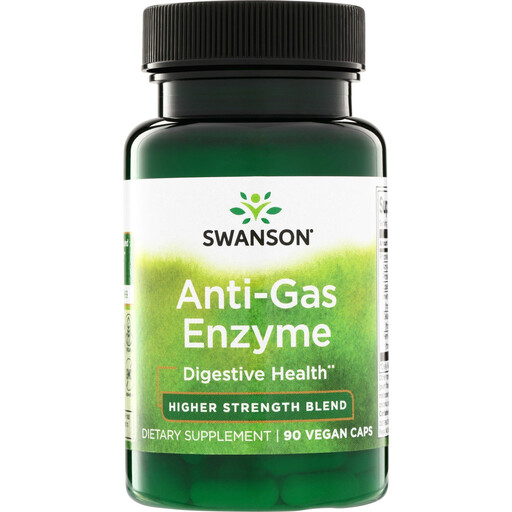
Why This Fits Their Persona: Perfect for the person who loves their veggies, beans and grains but suffers from uncomfortable bloating and gas afterwards. This is a targeted solution to take before meals to aid digestion of specific foods.
This product avoids the "One-Size-Fits-All Fallacy." Instead of a general probiotic, it provides specific enzymes like alpha-galactosidase to break down the complex sugars in foods that commonly cause gas.
It's a multi-enzyme blend that also includes lactase for dairy, amylase for starches and protease for proteins, offering comprehensive meal-time support. The vegan capsules are taken just before eating.
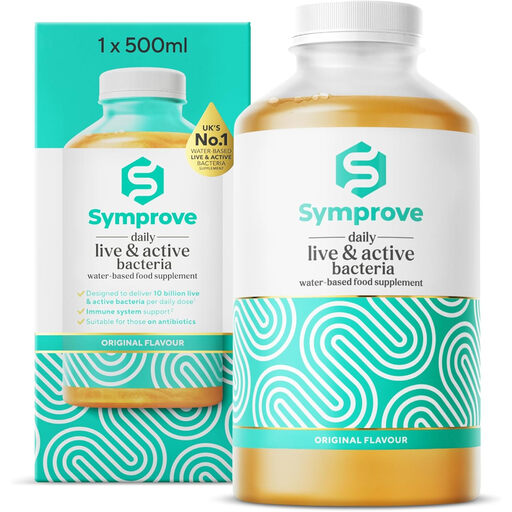
Why This Fits Their Persona: For the individual who has done their research, is committed to a long-term routine and is willing to invest in a high-performance product. This is for someone prioritising a superior delivery system for maximum impact.
It masterfully solves the survivability problem. The patented water-based delivery system ensures the live, active bacteria bypass the harsh stomach environment without triggering digestion, arriving alive in the gut.
Delivers four unique, robust strains of live and active bacteria. The formula is also vegan, dairy-free and gluten-free, catering to a wide range of dietary requirements.
We have compiled a complete, real-time list of products that fully satisfy these strict selection criteria and UK safety regulations.
1. How long does it take for digestive health supplements to work? This varies greatly depending on the person and the product. With digestive enzyme supplements, you may notice a difference with the very first meal. For probiotics for gut health, it can take anywhere from a few days to a few weeks to notice changes as the new bacteria begin to colonise your gut. Consistency is key.
2. Do I need to keep taking gut health supplements forever? Not necessarily. Some people use them for a specific period, such as a gut cleanse UK programme or after taking antibiotics, to restore balance. Others, particularly those with ongoing digestive sensitivities, find that long-term daily use helps them maintain comfort and regularity. It is a personal choice based on how you feel.
3. Can I take probiotics and digestive enzymes at the same time? Yes, you can. They perform different functions and do not interfere with each other. It is common to take a digestive enzyme with a meal to help with immediate breakdown of food, while taking a daily probiotic at another time to support the long-term health of your gut microbiome. As always, read the label on each product for specific instructions.