
24/7 Customer Support

Free returns

Same-day & Next-day Delivery

Quality Guaranteed

Unlock Your Welcome Offers: FREE Delivery | Up to 80% OFF | Free 30-day JoyPlus trial
Download the APP
Digestive supplements cover a wide range of products, from digestive enzymes and herbal capsules to heartburn relief tablets. That variety is useful, but it can also make shopping confusing. A capsule marketed for “gut health” may not be suitable for occasional reflux, while a high-strength enzyme formula may be unnecessary for someone seeking gentle daily support.
The right choice depends on what you want to support, when symptoms occur and which ingredients fit your diet and medication routine.
“Digestive support” is a general description, not a precise indication. Enzyme blends are designed around food breakdown, while peppermint, ginger, aloe and Triphala are herbal digestive supplements with different ingredient profiles. Antacid products such as chewable heartburn relief tablets are intended for occasional heartburn or indigestion, rather than general daily supplementation.
Before buying, identify whether you are looking for:
Persistent, severe or worsening symptoms should be discussed with a pharmacist or GP rather than managed by repeatedly changing supplements.
Herbal digestive support can still interact with medicines or be unsuitable during pregnancy, breastfeeding or certain medical conditions. For example, betaine HCl products require particular caution for people with acid reflux or upper gastrointestinal ulcers. Peppermint oil may also be unsuitable for some users with reflux-related concerns.
Check the complete label, not just the front of the packaging. Look for allergens, capsule materials, recommended dosage and warnings about spacing the product from medicines.
A larger number does not automatically mean a more suitable product. With enzymes, activity units such as DU, HUT, FIP, SAPU or GDU can be more informative than the weight of the ingredient alone. With fibre products, the amount of fluid recommended is important. With antacids, the active ingredients and maximum daily dose matter more than tablet count.
For meal-related support, look for a formula that clearly states when it should be taken. NOW Foods Digest Ultimate, for example, provides a broad blend including amylase, protease, lipase, lactase, cellulase and alpha-galactosidase, and is directed to be taken with each meal.
For occasional heartburn or indigestion, an OTC medicine may be more appropriate than a general supplement. Gaviscon Double Action combines sodium alginate, sodium bicarbonate and calcium carbonate, while Rennie contains calcium carbonate and magnesium carbonate. Always follow the package leaflet and dosage limits.
Vegan digestive supplements generally use cellulose or hypromellose capsules, but not every digestive formula is plant-based. NOW Foods Digestive Enzymes Digestion Capsules contain gelatin, porcine pancreatin and ox bile, so they are not suitable for vegetarians or vegans. Solgar Digestive Enzymes contains milk and lactose.
If you have allergies or intolerances, check the current product label before purchase. Manufacturing facilities may handle other allergens even where they are not listed as ingredients.
Capsules may suit a regular routine, while chewable lozenges or tablets can be more convenient after meals or while travelling. Some products should be taken with food, whereas others are directed for use between meals.
Spacing is also important. Activated charcoal may reduce the absorption of medicines, vitamins and nutrients, and the supplied product information advises taking it at least two hours apart from them. Fibre and mucilage-containing products may also require additional water and careful timing.
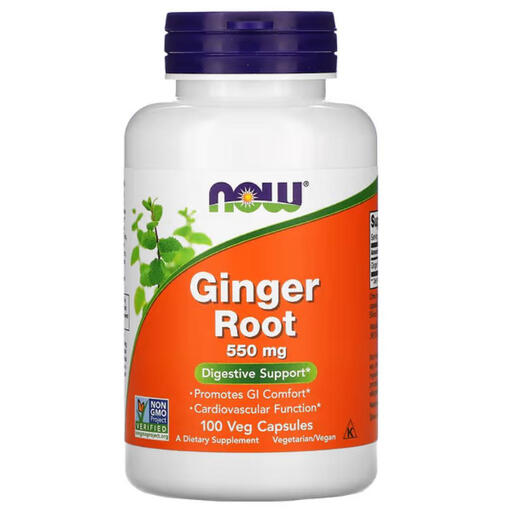
Why This Suits Their Persona: A single-ingredient, once-daily vegan capsule can be a straightforward starting point for adults seeking herbal digestive support without a complex blend.
The ingredient and 550mg amount are clearly stated, avoiding vague “detox” or multi-action wording.
Vegan capsule format, one-capsule daily direction and a short ingredient list.

Why This Suits Their Persona: Suitable for adults who want a clearly itemised enzyme blend to use with varied meals containing proteins, carbohydrates, fats, dairy, grains and fibres.
It lists enzyme types and activity units, rather than relying only on a general “complete digestion” statement.
Broad enzyme profile and vegan capsules; directed for use immediately before or at the beginning of meals.
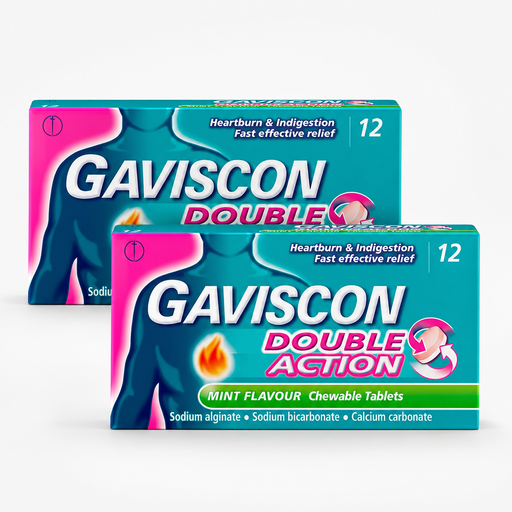
Why This Suits Their Persona: A practical option for adults and children aged 12 and over seeking occasional heartburn or acid indigestion relief in a chewable format.
The active ingredients and maximum daily use are specified, making it easier to distinguish an OTC medicine from a general supplement.
Dual-action formula with chewable tablets; sugar-free and gluten-free according to the supplied product information.

Why This Suits Their Persona: Designed for adults whose meals commonly include beans, legumes, grains and vegetables and who prefer vegan digestive enzymes.
The formula identifies alpha-galactosidase, lactase, cellulase and other enzymes instead of using an unspecified anti-gas claim.
Plant-based capsule and a stated direction of one capsule one to three times daily, taken with water.
We have compiled a complete, real-time list of products that fully satisfy these strict selection criteria and UK safety regulations.
Some products are formulated for occasional bloating and gas relief, including enzyme blends containing alpha-galactosidase or lactase. Results vary by cause, food intake and individual response. Follow the label and seek medical advice if bloating is persistent, painful or accompanied by other symptoms.
Many digestive enzymes are directed to be taken immediately before or at the beginning of a meal. The correct timing depends on the product, so follow its specific instructions. Do not assume that a higher dose or taking capsules between meals will provide additional benefit.
OTC products such as alginate or antacid tablets are specifically labelled for occasional heartburn, indigestion or reflux symptoms. Check age restrictions, maximum doses and medicine interactions. If symptoms continue, worsen or require frequent treatment, speak with a pharmacist or GP.