
24/7 Customer Support

Free returns

Same-day & Next-day Delivery

Quality Guaranteed

Unlock Your Welcome Offers: FREE Delivery | Up to 80% OFF | Free 30-day JoyPlus trial
Download the APP
Digestive support supplements cover a wide range of products, from probiotics and prebiotic fibre to digestive enzymes, herbal capsules and over-the-counter heartburn remedies. The right choice depends on the type of support you want—not the most impressive-looking label.
For UK shoppers, a few common purchasing traps can lead to wasted money or uncomfortable side effects.
A supplement may be designed to support normal digestion, fibre intake or gut bacteria, but it is not automatically suitable for persistent symptoms. Products for heartburn relief, acid reflux relief or indigestion may be classified as medicines and have specific instructions, age limits and maximum treatment periods.
If discomfort is frequent, severe, accompanied by difficulty swallowing, unexplained weight loss, vomiting or blood in the stool, seek advice from a GP or pharmacist rather than relying on supplements.
More is not always more suitable. A high-strength probiotic may be unnecessary for someone simply increasing their fibre intake, while a concentrated fibre powder can cause temporary gas if introduced too quickly. Similarly, activated charcoal capsules can bind to medicines and nutrients, so they should not be treated as an everyday multivitamin-style product.
A product described as vegan may still contain allergens or ingredients unsuitable for your diet. For example, some enzyme formulas contain dairy-derived ingredients, while softgels may contain gelatine or soya oil. Always check the current packaging, allergen information and directions before purchase.
Match the ingredient to your shopping goal:
Capsules are convenient for commuting or travelling, while powders can make it easier to adjust a fibre dose. Check whether the product is taken with meals, before meals, between meals or at bedtime.
Fibre powders typically require gradual introduction and additional water. Enzyme products are generally positioned for use around meals. Probiotic storage can vary, so check whether refrigeration is recommended. Never exceed the label dosage to compensate for missed servings.
For vegan digestive supplements, look for a vegetable capsule or tablet and confirm that the formula contains no gelatine, dairy or other restricted ingredients. Those following allergen-conscious diets should check for milk, lactose, soya, coconut, nuts and gluten.
A clear label should show the serving size, active ingredients, warnings, storage conditions and manufacturer details. Claims such as “detox” should not replace practical information about dosage and interactions.
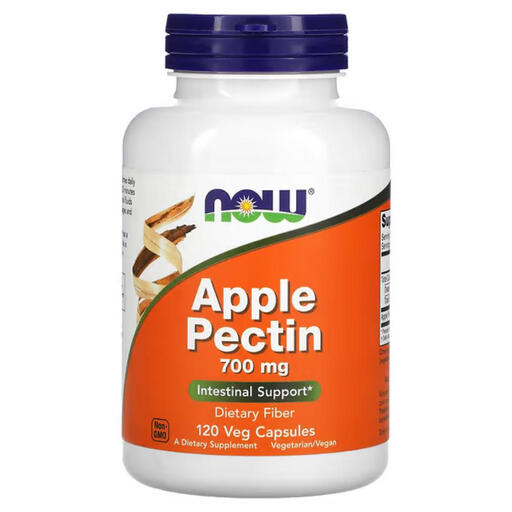
Why This Fits Their Persona: A straightforward capsule format for adults who want to add soluble fibre without buying a large powder tub or selecting a multi-ingredient formula.
The label states 1.4g apple pectin per two-capsule serving and advises starting with smaller amounts, helping shoppers avoid an unnecessarily abrupt fibre increase.
Vegan capsules, water-soluble fibre and 120 capsules per pack.
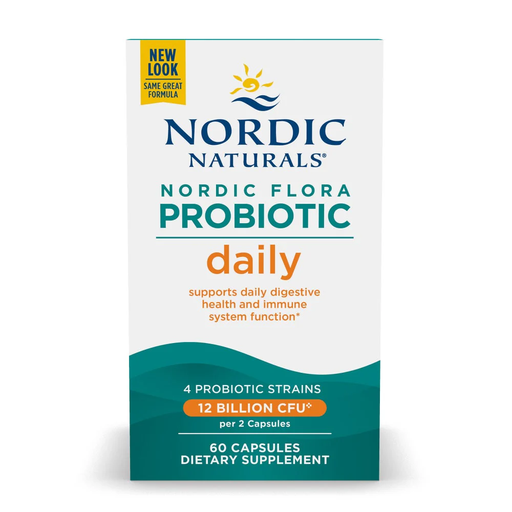
Why This Fits Their Persona: Suitable for adults comparing a defined daily probiotic and prebiotic combination, particularly those following vegan or dairy-free diets.
The product specifies four probiotic strains, 12 billion CFU per serving and 20mg of fructooligosaccharides, rather than relying only on a broad “gut health” statement.
One capsule daily; vegan and dairy-free formula with stated storage guidance.

Why This Fits Their Persona: Designed for adults who regularly eat varied meals containing proteins, carbohydrates, fats, dairy, grains or fibrous vegetables and want a mealtime enzyme format.
The label lists enzyme names and activity units, including amylase, protease, lipase, lactase and alpha-galactosidase, and states to take one capsule with each meal.
120 vegan capsules and a broad enzyme blend for different food components.
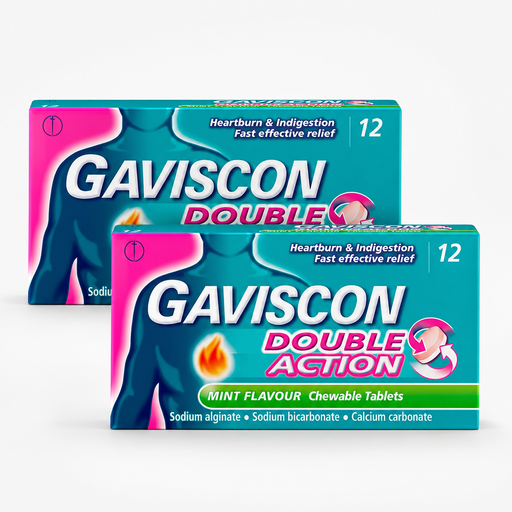
Why This Fits Their Persona: A chewable option for adults seeking occasional heartburn or acid reflux relief, including a portable format for use after meals.
It is clearly presented as an over-the-counter medicine with defined active ingredients, dosage limits and advice to seek medical guidance if symptoms persist or worsen.
Dual-action formula containing sodium alginate, sodium bicarbonate and calcium carbonate; sugar-free and gluten-free.
We have compiled a complete, real-time list of products that fully satisfy these strict selection criteria and UK safety regulations.
Shelf life varies by product. A 60-capsule probiotic taken once daily lasts around two months, while a 340g fibre powder may provide more portions depending on the dose. Check the best-before date, storage requirements and whether refrigeration is needed after opening.
Choose capsules for convenience and consistent portions. Powders are more adaptable when increasing prebiotic fibre, inulin powder or psyllium gradually. Whichever format you choose, follow it with the recommended amount of water.
Not without checking the label and, where appropriate, asking a pharmacist. Fibre, slippery elm and activated charcoal may affect absorption, while some enzyme and herbal products may not suit particular medicines or conditions. Keep products separated when the instructions require it, and avoid self-treating ongoing symptoms.