
24/7 Customer Support

Free returns

Same-day & Next-day Delivery

Quality Guaranteed

Unlock Your Welcome Offers: FREE Delivery | Up to 80% OFF | Free 30-day JoyPlus trial
Download the APP
Digestive support supplements can look similar on a product page, yet their ingredients, serving sizes and intended uses vary considerably. A probiotic capsule is not interchangeable with a fibre powder, while an herbal formula may not suit someone taking regular medication.
For UK shoppers comparing gut health supplements, the main challenge is separating useful specifications from vague claims. The following guide explains what to check before buying and highlights suitable options for different routines.
Probiotic supplements provide live microorganisms, usually listed by strain and measured in CFU. Prebiotic fibre supplements, such as inulin or psyllium, provide fibre that can support normal digestive function and provide a food source for certain gut bacteria.
A product labelled “gut health” may contain one, the other or both. Check the ingredients and serving information rather than relying on the front-of-pack wording.
A larger CFU figure does not automatically make a product more suitable. Consider the number of strains, recommended daily amount, storage requirements and whether the formula fits your needs. Similarly, a large fibre serving can cause temporary gas or bloating if introduced too quickly.
Vegan suitability is not guaranteed across the category. For example, gelatine is used in some capsules, while probiotic cultures may be grown on milk-based media. People following gluten-free, dairy-free or allergen-conscious diets should read the full label, including “may contain” statements and manufacturing information.
Do not assume that “natural” means suitable for everyone. Herbal ingredients, activated charcoal and fibre can affect how some medicines are absorbed. Ask a pharmacist or GP if you take prescription medicines, have a digestive condition, are pregnant or breastfeeding.
Match the format to your shopping goal:
A practical product should have clear serving instructions. Fibre powders often need a gradual introduction, while some capsules require separation from medicines or antibiotics. Follow the product label and do not exceed the stated intake.
For powders, assess whether the serving is easy to measure and mix. For gummies, check the number required per day and the sugar or sweetener information. A convenient format is more likely to fit a busy working week, but convenience should not replace ingredient checking.
Look for clearly stated attributes such as vegan, vegetarian, gluten-free or non-GMO, but verify these against the ingredients. Shelf-stable probiotics can be useful in UK homes where fridge space is limited, although they still need to be stored according to the label.
Also compare pack size with the serving instruction. A 30-capsule pack may not provide 30 days of use if the recommended intake is two or more capsules daily.
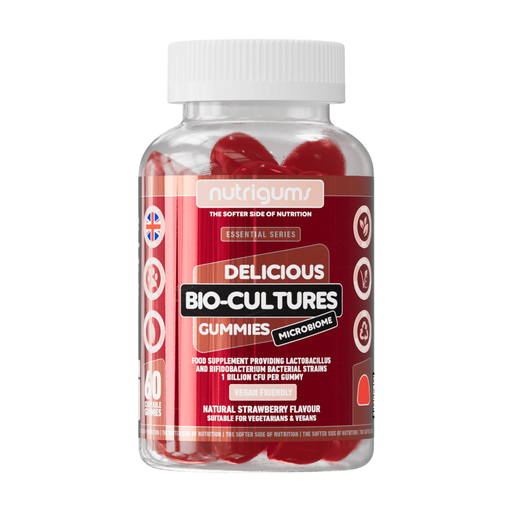
Why This Fits Their Persona: A chewable format can suit first-time buyers who find capsules inconvenient and want a clearly defined two-gummy serving.
The label states 5 billion CFU per two-gummy serving and identifies Lactobacillus rhamnosus and Bifidobacterium lactis, rather than giving only a general “gut health” description.
Vegan, pectin-based gummies; stated to be free from gluten, dairy, soya and nuts; shelf-stable format.
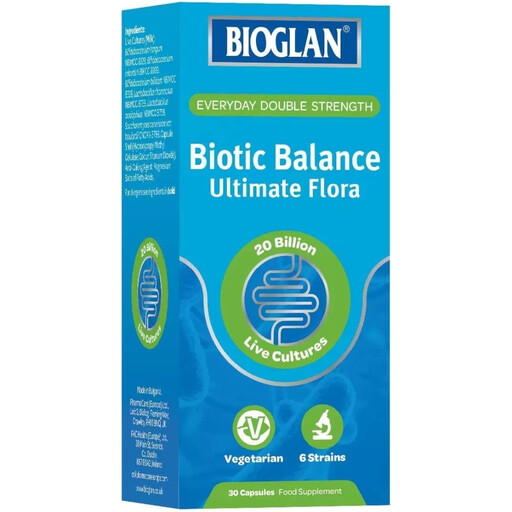
Why This Fits Their Persona: Suitable for adults comparing multi-strain probiotic supplements and looking for a capsule that does not require routine refrigeration.
The product information specifies six strains and 20 billion live cultures per capsule, while also stating that the capsule is stable at room temperature.
Six listed cultures; one-capsule daily serving; suitable for vegetarians. Contains milk-derived culture medium, so it is not suitable for people avoiding milk allergens.
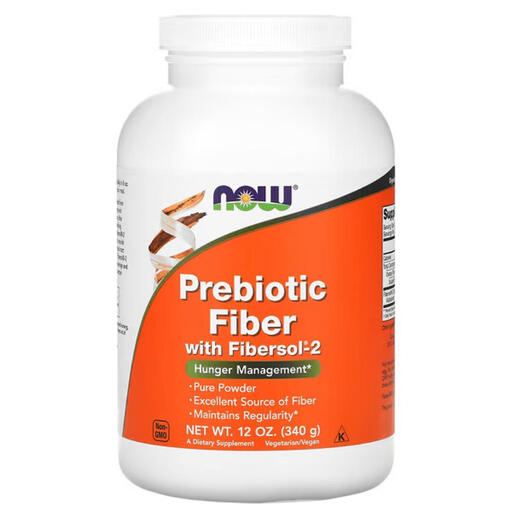
Why This Fits Their Persona: A larger powder pack suits adults seeking to increase soluble fibre intake and incorporate it into drinks, porridge or smoothies.
The label identifies 100% organic inulin and advises starting with a smaller amount because a sudden increase in prebiotic fibre may cause temporary bloating.
340g pack; unflavoured powder; vegan, organic and non-GMO according to the product information.
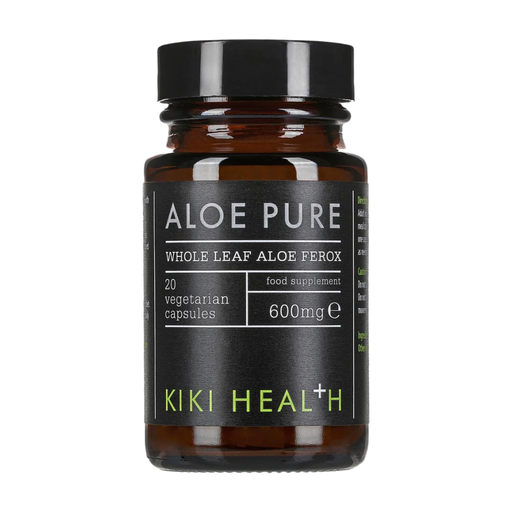
Why This Fits Their Persona: A short 20-capsule pack provides a simple way for vegan shoppers to try a plant-based herbal digestive support format.
The ingredient list identifies 600mg of freeze-dried whole-leaf Aloe Ferox and excludes artificial colours, preservatives, sweeteners and fillers according to the listing.
Vegan and vegetarian; naturally gluten- and wheat-free according to the product information; one-serving daily maximum stated.
We have compiled a complete, real-time list of products that fully satisfy these strict selection criteria and UK safety regulations.
Begin with the product’s stated serving, or a smaller amount where the label recommends gradual introduction. This is particularly relevant to prebiotic fibre supplements, inulin and psyllium. Drink sufficient water and avoid combining several new products at once, as this makes it harder to identify the cause of any discomfort.
Not always. Some probiotic supplements are designed to remain stable at room temperature, while others may require refrigeration. Check the packaging and storage instructions. Keep capsules away from heat, sunlight and bathroom humidity, and take probiotics with cool or room-temperature liquid if the label advises this.
Fibre may affect the absorption of some oral medicines, while activated charcoal and zeolite are specifically listed with separation warnings on many product labels. Leave the recommended interval and ask a pharmacist or GP for individual guidance. Seek medical advice for persistent abdominal pain, ongoing diarrhoea, unexplained weight loss or significant changes in bowel habits.