
24/7 Customer Support

Free returns

Same-day & Next-day Delivery

Quality Guaranteed

Unlock Your Welcome Offers: FREE Delivery | Up to 80% OFF | Free 30-day JoyPlus trial
Download the APP
Digestive support supplements come in many forms, including digestive enzymes, probiotic supplements, fibre, ginger, peppermint oil and traditional herbal ingredients. That variety can make shopping difficult, particularly when product labels use broad phrases such as “complete support” or “high strength”.
The right choice depends on your diet, intended use, dietary restrictions and how often you plan to take it. This guide explains the main buying pitfalls and the product details worth checking before choosing digestive health supplements in the UK.
A large milligram figure does not automatically indicate a stronger or more suitable supplement. Enzymes are often measured in activity units, such as DU, HUT, FIP or FCC, rather than weight alone. A product containing several enzymes may also be designed for different food components, while a single-ingredient product may be more appropriate for a specific dietary need.
For probiotics, look for the number of live cultures and the named strains. For fibre products, check the actual fibre amount per serving rather than focusing only on the capsule weight.
A supplement may appear plant-based but still contain milk-derived enzymes, lactose, gelatin, beeswax or other animal-derived ingredients. For example, some multi-enzyme formulas include ox bile, pancreatin, pepsin or milk, while softgels may use bovine gelatin.
Always check the label for milk, lactose, soy, coconut, pineapple, papaya and gelatin, especially if you follow a vegan or vegetarian diet or have an intolerance. Product formulations can change, so the packaging supplied with your order should take priority.
Timing matters for many digestive support supplements. Enzyme products are generally labelled for use with or immediately before meals, whereas some fibre products require a full glass of water. Activated charcoal can affect the absorption of medicines and other supplements, so it should be separated from them according to the label or advice from a healthcare professional.
A supplement intended for occasional use, such as cascara sagrada, should not automatically become part of a long-term daily routine.
Digestive enzymes may include amylase for carbohydrates, protease for proteins, lipase for fats and lactase for lactose. More comprehensive formulas may also contain cellulase, hemicellulase, alpha-galactosidase or bromelain.
Check:
A broad formula is not necessarily the right option for everyone. Someone looking for support when eating beans and vegetables may prefer a product listing alpha-galactosidase, while a person seeking a vegan digestive supplement may prioritise microbial or plant-derived enzymes.
When comparing gut health supplements, check the named strains, the colony-forming unit (CFU) count and whether the stated amount applies at manufacture or at the end of shelf life. A high CFU number alone does not explain whether the product suits your needs.
Follow storage instructions carefully. Some probiotic supplements may benefit from refrigeration after opening, while others are designed for cupboard storage. Keep capsules away from heat, moisture and direct sunlight.
Tablets, capsules, softgels, chewable lozenges and powders offer different levels of convenience. A chewable may suit people who dislike swallowing capsules, while enteric-coated softgels are designed to delay release until later in the digestive tract.
For vegan digestive supplements, confirm the capsule shell and all auxiliary ingredients. Also check whether a product is suitable for adults only, whether it contains allergens and whether it is intended for daily or short-term use.
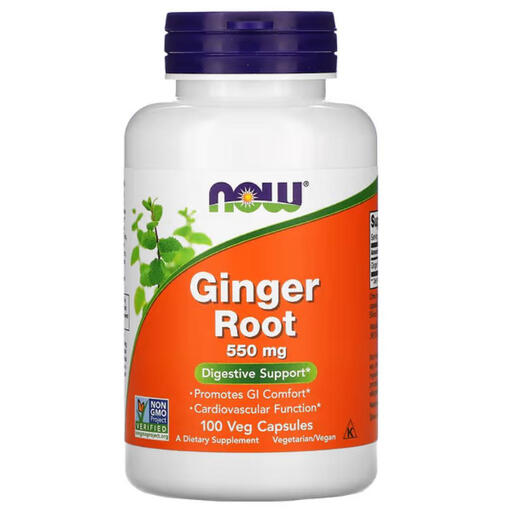
Why This Fits Their Persona: A straightforward single-ingredient option for adults wanting an uncomplicated herbal digestive support capsule, with one capsule listed as the daily serving.
The label clearly identifies 550mg of ginger root per vegan capsule rather than hiding the core ingredient within a large proprietary blend.
Vegan capsule; free from wheat, gluten, milk, egg, fish and several other listed allergens.

Why This Fits Their Persona: Suitable for adults who eat varied meals and want a vegan digestive enzyme formula covering proteins, carbohydrates, fats, dairy, grains and fibres.
Its label lists individual enzyme activities, including amylase, proteases, lipase, lactase and alpha-galactosidase.
120 vegan capsules; activity units are provided for the listed enzymes; designed for use with each meal.

Why This Fits Their Persona: A targeted option for adults whose meals regularly include beans, lentils, vegetables or other fibre-rich foods.
It identifies alpha-galactosidase and invertase alongside amylase, protease, lipase, lactase, cellulase and hemicellulase.
Vegan capsule format; one capsule may be taken one to three times daily as directed; contains coconut-derived MCT, which is an allergen consideration.
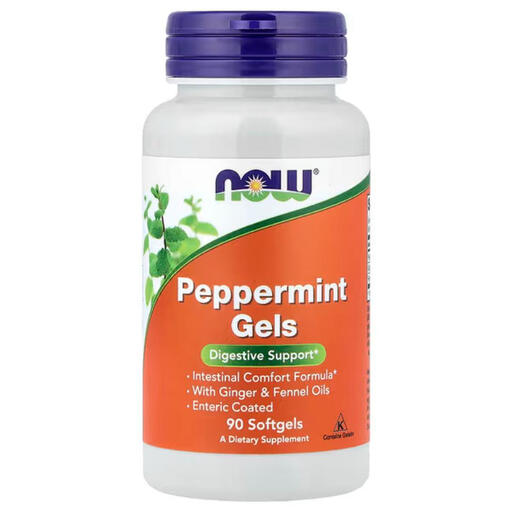
Why This Fits Their Persona: Suits adults seeking a peppermint-based option with ginger and fennel oils in an enteric-coated softgel format.
The product specifies an enteric-coated format and clearly lists the oils per serving rather than presenting an unnamed herbal blend.
Combines peppermint, ginger and fennel oils; two softgels are listed as the daily serving; contains bovine gelatin.
We have compiled a complete, real-time list of products that fully satisfy these strict selection criteria and UK safety regulations.
Shelf life varies by product. Check the best-before date and storage instructions on the packaging. Moisture-sensitive enzymes, fibre capsules and probiotic supplements should be kept tightly closed and away from heat. Do not assume that a large capsule count makes a product suitable for indefinite daily use.
Some people choose different products for different purposes, but combining supplements is not automatically necessary. Review the dosage, ingredients and warnings for each product, and ask a pharmacist or healthcare professional if you take medicines or have an existing condition.
Some are, but not all. Look for a vegan capsule or tablet confirmation and check for milk-derived pepsin, lactose, ox bile, pancreatin, gelatin and beeswax. The product label remains the most reliable source because formulations may change.