Meeting refreshment organisers
If you are putting out a sweet biscuit with drinks, plan portions using the chosen pack’s biscuit count or stated serving basis, not its weight alone. Pack listings from Sainsbury’s and Tesco use different measures.


Choose plain digestives if you want a sweet biscuit to put out with hot drinks; check the pack’s biscuit count or serving basis before deciding how many to order. Chocolate digestives offer a coated sweet option, while savoury crackers make more sense when you plan to serve toppings. For a guest who needs gluten-free food, choose a specifically labelled product and check its full allergen information rather than assuming an ordinary digestive or cracker will suit them.
If you are putting out a sweet biscuit with drinks, plan portions using the chosen pack’s biscuit count or stated serving basis, not its weight alone. Pack listings from Sainsbury’s and Tesco use different measures.
If cheese or spreads are part of the meeting refreshments, look at crackers intended for toppings. The cited listings for Jacob’s, Carr’s and Ritz describe savoury options rather than sweet digestives.
Ask about guests’ requirements and check the exact biscuit pack and any accompaniments. Ordinary wheat-based digestives are not interchangeable with a product specifically labelled gluten free.
Decide how the biscuits will be served, then compare the pack details that affect portions and dietary suitability.
| Priority | What to check | Your needs |
|---|---|---|
| Serving format | Choose an uncoated digestive for a sweet biscuit with drinks, or check whether a savoury cracker is described as suitable for toppings. Plan accompaniments separately. | I’m putting out biscuits with tea or coffee, without preparing toppings. If cheese or spreads are on the table instead, I need a cracker and those accompaniments. |
| Sweet option | Check whether the digestive is plain or chocolate-coated, then read the exact product’s ingredients and allergen statement. McVitie’s Joybuy-listed 400g milk-chocolate digestives declare milk, soya and wheat. | A chocolate-coated biscuit suits the sweet selection I’m planning; a plain digestive keeps the offering uncoated. I need to check the label for whichever pack I serve. |
| Dietary suitability | Check ingredients and precautionary allergen statements on each pack and topping. A vegan designation alone does not establish milk-allergy suitability: Asda’s listed digestives are labelled suitable for vegans but may contain milk. | Someone needs a specific dietary option, so I’ll check their requirements and the actual product label. For gluten-free food, I need a specifically labelled option rather than an ordinary wheat-based biscuit. |
| Portions and storage | Use the chosen pack’s biscuit count or suggested servings on its own terms. Sainsbury’s lists 48 biscuits for a McVitie’s 2 × 360g pack; Asda suggests 25 servings for its 400g digestives. Follow the pack’s storage directions after opening. | I want to offer enough portions for the expected attendees without treating a suggested serving as a biscuit count. If a pack remains open, I’ll follow its storage instructions. |
A sweet digestive can be put out with drinks, whereas Jacob’s describes its cream cracker as a base for toppings.
Decide whether you are serving biscuits alone or crackers with accompaniments before working out quantities.
A savoury spread also means arranging toppings and checking their ingredients separately.
Asda’s listed digestive is labelled suitable for vegans but carries a may-contain-milk statement.
If an attendee has a milk allergy, check their requirements and the precautionary statement on the pack you will serve.
Product listings may give a biscuit count, a suggested serving count or a weight per biscuit. These are different bases for planning portions.
Start with the number of attendees and intended portions per person, then use the chosen pack’s own stated count or serving basis.
These examples show differences between the cited product lines; check the particular pack before serving it.
Its Original and milk-chocolate digestive lines cover plain and coated sweet biscuits.
Original Cream Crackers are a savoury option described as a base for toppings.
Table Water Crackers offer another savoury base for a meeting spread.
Original crackers are described in the cited Sainsbury’s listing as suitable with cheese, spreads and dips.
Its cited 400g plain digestives are an uncoated sweet option.
Its cited Free From 188g digestives are a specifically labelled gluten-free option.
Its cited 400g plain digestives are an uncoated sweet option.
These options span plain and chocolate digestives, a gluten-free-labelled digestive and savoury crackers. Choose the type to match what you plan to serve, then check the exact pack for portions and allergens.
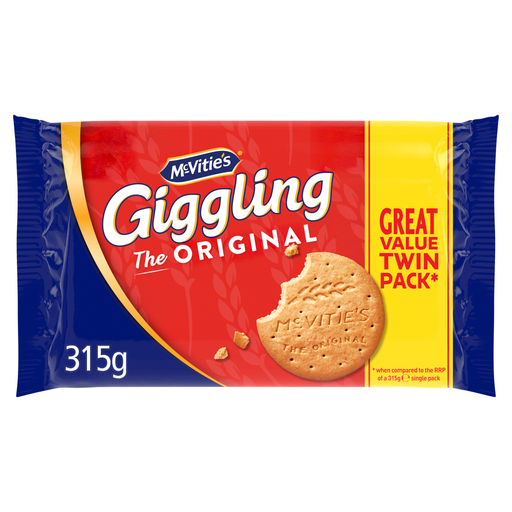 No image available
A plain digestive option for serving sweet biscuits with drinks. This is a twin pack of 2 × 315g; use this pack’s own count when planning portions rather than the count for a different size. Check its allergen statement before serving.
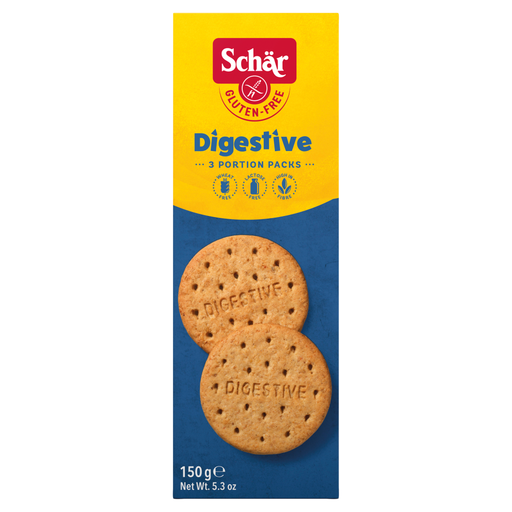 No image available
A gluten-free-labelled digestive option when a guest needs a different biscuit from the ordinary wheat-based selection. The pack is 150g; check its full allergen statement and the guest’s requirements before serving.
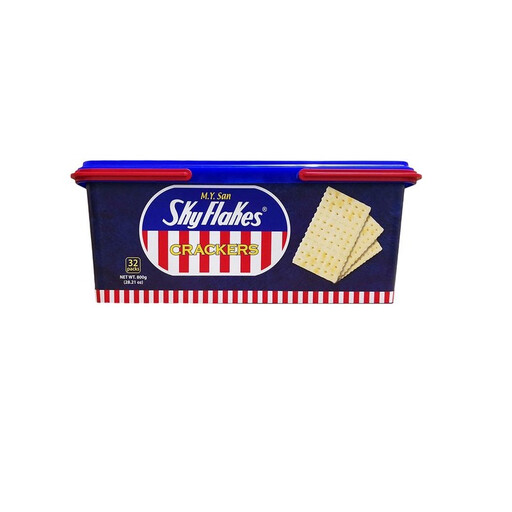 No image available
A savoury cracker option if the meeting spread includes crackers rather than sweet digestives. The pack is 800g; check its portion information and allergen statement, as well as the ingredients of anything served with it.
 No image available
A chocolate-coated digestive for a sweet biscuit selection rather than an uncoated or savoury one. The Joybuy product listing identifies a 400g pack and declares milk, soya and wheat; check the pack before serving.
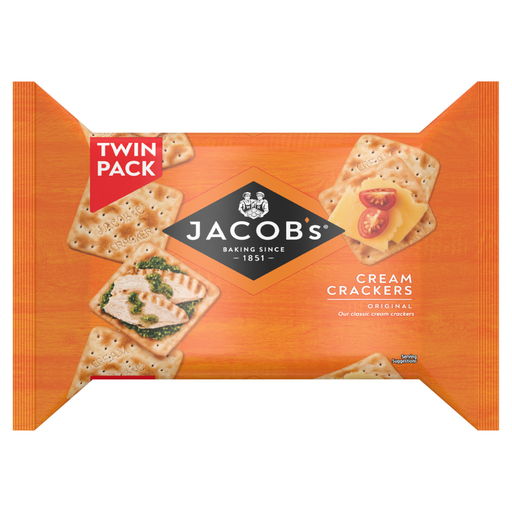 No image available
A savoury cream cracker choice when you plan to serve accompaniments instead of a sweet biscuit alone. This twin pack contains 2 × 200g; check its own portion details and the allergen statements for both crackers and toppings.
Start with the attendee count and the number of biscuits you intend to offer each person, then use the chosen pack’s stated biscuit count if it gives one. Sainsbury’s lists 48 biscuits for McVitie’s 2 × 360g pack, while Asda suggests 25 servings for its 400g digestives; a serving figure is not necessarily a biscuit count.
Follow the storage directions on the pack you buy. Asda’s cited digestive listing says to keep the biscuits in an airtight container once opened; check the directions for other products rather than assuming they are identical.
Do not substitute the cited ordinary wheat-based digestives for a specifically labelled gluten-free product. Sainsbury’s cited Free From digestives are labelled gluten free and contain oats, but their listing also warns that they are unsuitable for customers with a nut allergy. Check the guest’s requirements and the exact pack.
A food business needs to account for the food as it is supplied, including any loose biscuits and toppings. The Food Standards Agency’s July 2026 guidance for England, Wales and Northern Ireland says businesses must provide allergen information for prepacked and non-prepacked food; Food Standards Scotland also sets out allergen-information requirements for food businesses in Scotland. Check the rules and arrangements applicable to the actual catering service rather than relying on a biscuit wrapper to describe separate accompaniments.