Parents considering an occasional biscuit
A digestive may be part of a family snack, but the NHS advises against making biscuits a regular choice for young children. Compare its label with the varied snack options the NHS suggests.


For routine toddler snacks, choose from the varied non-biscuit options suggested by the NHS rather than making digestives a regular choice. The NHS advises avoiding food and drink with sugar or sweeteners for children aged 4 or under and not giving children too many foods high in saturated fat, including biscuits. If you are considering a digestive, compare plain and coated versions using the current pack label, and check the setting’s food and allergy policy before packing one for nursery.
A digestive may be part of a family snack, but the NHS advises against making biscuits a regular choice for young children. Compare its label with the varied snack options the NHS suggests.
Check the individual setting’s food and allergy policy before packing a biscuit. The NHS specifically advises parents to check nursery food policies.
McVitie’s Original Digestives are described by Tesco Groceries as wheatmeal biscuits. If a child needs to avoid wheat or gluten, check the exact product’s current label rather than assuming a standard digestive is suitable.
Start with whether a biscuit fits the occasion, then compare the format and current pack label; a familiar name or wholemeal description does not settle the toddler-snack decision.
| Priority | What to check | Your needs |
|---|---|---|
| Routine snacks | The NHS suggests options including fruit, plain unsweetened yoghurt, crackers and unsalted rice cakes. It advises avoiding food and drink with sugar or sweeteners for children aged 4 or under. | For an everyday snack, I want a choice other than a sweet biscuit. |
| Biscuit format | Check whether the digestive is plain or chocolate-coated, and read its ingredients and nutrition declaration. A plain biscuit avoids a chocolate coating but remains a biscuit. | If I am considering an occasional digestive, I want to know what changes between the plain and coated versions without treating either as a routine toddler snack. |
| Ingredients | Check the current pack for sugar, sweeteners and allergens. Tesco Groceries warns that ingredients, nutrition and allergen information can change when products are reformulated. | I need the exact pack to fit my child’s ingredient and allergy requirements, not just a product description online. |
| Packed food | Ask the nursery or school about its food and allergy policy before packing a snack. The NHS advises checking nursery food policies. | Before I put a biscuit in a lunchbox, I want to know whether the setting allows it. |
Wholemeal or wheatmeal describes an ingredient; it does not remove the need to consider the biscuit’s other ingredients or how often it is served. The NHS advises not giving children too many foods high in saturated fat, such as biscuits and cakes.
Use a variety of snacks for routine occasions, and check the pack if you are considering a digestive.
A no-added-sugar digestive can contain sweeteners: Tesco Groceries lists a sweetener in its Diablo No Added Sugar Digestive Cookies. The NHS advises avoiding food and drink with sugar or sweeteners for children aged 4 or under.
Read the ingredients rather than treating the claim as a shortcut to a toddler-focused choice.
Ingredients and allergen information can change with reformulation. This matters particularly when a child needs to avoid an ingredient such as wheat.
Read the current pack when buying the product and when opening a newly purchased pack.
Tesco Groceries describes McVitie's Original Digestives as wheatmeal biscuits.
Tesco Groceries lists both standard and milk-chocolate digestive biscuits.
M&S describes a plain wholemeal digestive made with demerara sugar and lists milk- and dark-chocolate formats in its range.
These options are a cheese oatcake and a vanilla wafer, not plain or chocolate-coated digestives. Compare their formats and current labels with your snack-time needs; the sweet wafer should not be treated as a routine toddler option.
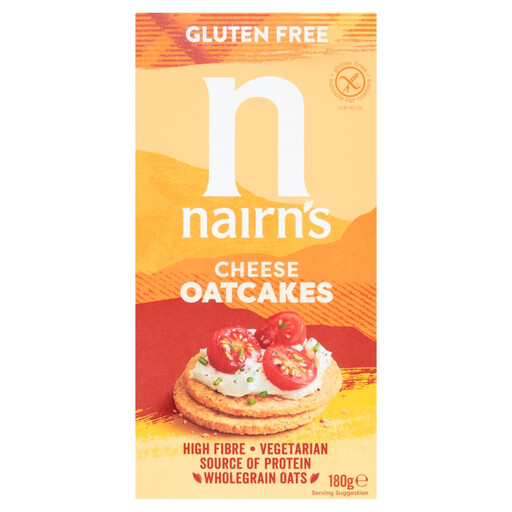 Image unavailable
A cheese oatcake offers a non-digestive format to consider alongside other snack options. The pack is 180g and labelled gluten free; check its current ingredients and allergens against your child’s needs.
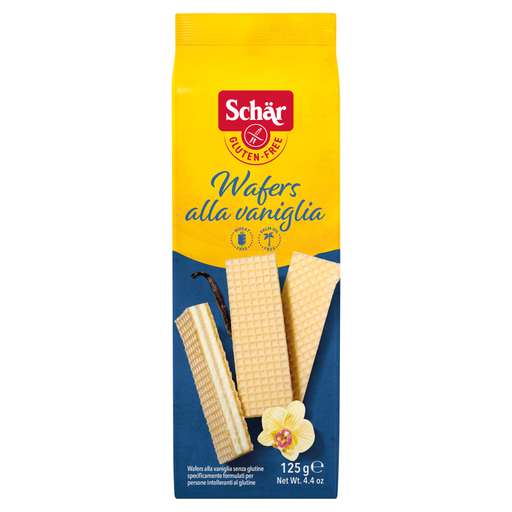 Image unavailable
This vanilla wafer is a sweet, filled biscuit rather than a plain digestive, so it does not answer the need for a routine toddler snack. The pack is 125g and labelled gluten free; check its current ingredients and allergens before considering it for a child.
No. The NHS advises avoiding food and drink with sugar or sweeteners for children aged 4 or under and not giving children too many foods high in saturated fat, including biscuits. Its suggested snack options include fruit, plain unsweetened yoghurt, crackers and unsalted rice cakes.
A plain digestive avoids the additional chocolate coating, but that does not make it a routine toddler snack. If you are comparing the two formats, read the current ingredients and nutrition labels rather than judging them by the coating alone.
No. Wholemeal describes part of the biscuit, not its overall suitability for regular toddler snacks. Check the complete pack label and consider the NHS’s varied snack suggestions instead of relying on that description alone.
Ask the nursery about its food and allergy policy before packing one. The NHS advises checking nursery food policies and telling the setting if your child has a food allergy.