Hosts serving a biscuit with coffee
Plain wheatmeal digestives are a ready-to-serve choice when guests will eat the biscuit on its own. Check the pack if anyone needs to avoid wheat or gluten.


Put out plain digestives if guests will eat a biscuit alongside their coffee; choose savoury crackers if you are also serving cheese, spreads or dips. For a guest with a dietary requirement, choose a separately labelled option and check its current pack for ingredients and allergen warnings before serving.
The serving plan matters more than the broad label “cracker”: a biscuit eaten plain and a base for toppings play different roles.
Plain wheatmeal digestives are a ready-to-serve choice when guests will eat the biscuit on its own. Check the pack if anyone needs to avoid wheat or gluten.
Cream crackers or Ritz crackers make sense when cheese, spreads or dips are part of the table. Allow for the toppings as well as the crackers when checking guests’ dietary requirements.
Choose a product labelled for the guest’s particular need, then read its full ingredients and warnings. “Gluten free” or “vegan” does not establish that a biscuit is suitable for every allergy.
Decide how the food will be served, then check the exact variants you plan to put out.
| Priority | What to check | Your needs |
|---|---|---|
| Serving format | Choose a plain biscuit for eating with coffee, or a cracker intended for toppings. Check whether you will also need to serve cheese, spreads or dips. | I want something guests can take with their coffee without assembling a snack. If I am offering savoury toppings, a cracker fits that plan instead. |
| Ingredients and allergens | Read the current pack’s ingredients and precautionary warnings for every item served, including toppings. Sainsbury’s lists its Free From Chocolate Digestive as gluten free and suitable for coeliacs, but says it contains milk and soya and is unsuitable for customers with a nut allergy because of manufacturing methods. | A guest has told me about a dietary requirement, so I need to check the precise product rather than rely on “digestive”, “vegan” or “gluten free” alone. |
| Nutrition and portions | Compare like-for-like figures: per biscuit or per serving, with the serving size alongside them. Sainsbury’s lists 2.4 g sugars per biscuit for its plain Digestives and 5.2 g per biscuit for its Free From Chocolate Digestive; these are different variants. | I would like to know what a serving contains before choosing between a plain biscuit and a chocolate-coated one. |
| Storage and serving | Check each pack’s storage instructions and plan when to open it. Keep the packaging available if guests need to inspect the label. | I am preparing ahead and want guests to have the product information to hand when the food is served. |
Sainsbury’s describes the cited digestives as wheatmeal biscuits, while Tesco describes Jacob’s Cream Crackers and Ritz as crackers for pairing with other foods. Buying by the broad category alone may leave you with the wrong format for your serving plan.
Choose a plain biscuit for coffee on its own, or a savoury cracker if you are putting out toppings and dips.
The cited standard digestives and crackers contain wheat or gluten. Sainsbury’s Free From Chocolate Digestive is labelled gluten free, but its listing also identifies milk, soya and a nut-manufacturing warning.
Ask about relevant requirements, check the current label of each product and keep the packaging available when serving.
Plain, chocolate-coated and sugar-free digestives are not the same formulation. Sainsbury’s listings give 2.4 g sugars per biscuit for its plain Digestives and 5.2 g for its Free From Chocolate Digestive; its Siro Sugar Free Digestives listing warns that excessive consumption may produce laxative effects.
Compare the nutrition information per biscuit or stated serving, and read the ingredients and any sweetener warning on the exact pack you choose.
These examples illustrate different biscuit and cracker formats; a brand name alone does not determine whether a particular pack meets a guest’s needs.
Sainsbury’s lists McVitie’s Original Digestives as wheatmeal biscuits for the plain-biscuit route.
Tesco lists Jacob’s Original Cream Crackers as a base for toppings rather than a sweet digestive biscuit.
Tesco presents Ritz Original Crackers as an option for sharing with cheese, spreads or dips.
The cited range includes plain wheatmeal digestives and a separate Free From chocolate-coated digestive.
Sainsbury’s lists Siro Sugar Free Digestive Biscuits as a sugar-free variant.
These options include plain, chocolate-coated, gluten-free and sugar-free digestives, plus cream crackers for a table with savoury toppings. Check each current pack against guests’ requirements before serving.
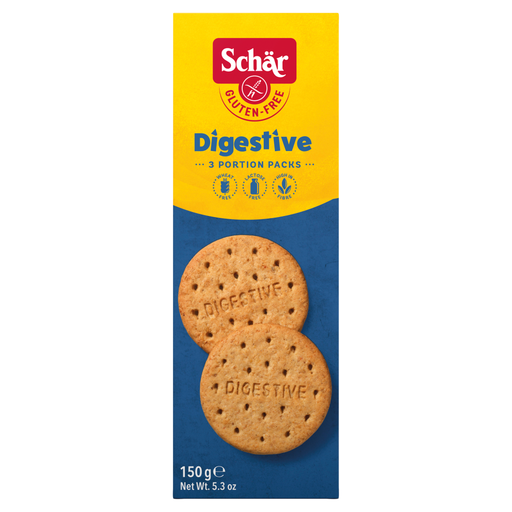 No image available
A digestive-style biscuit to consider when a gluten-free option is needed. Check the current pack for other allergens relevant to your guests.
 No image available
A sugar-free digestive variant for a plain-biscuit table. Read the current ingredients, allergen information and any sweetener instructions before serving.
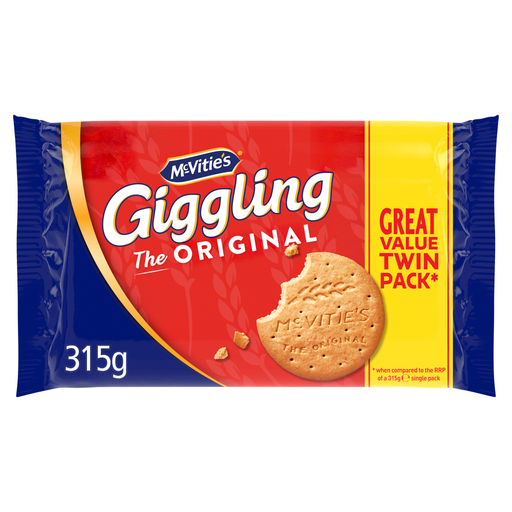 No image available
A plain digestive option when biscuits will be served alongside coffee without toppings. Check the pack’s ingredients and allergen information for the guests attending.
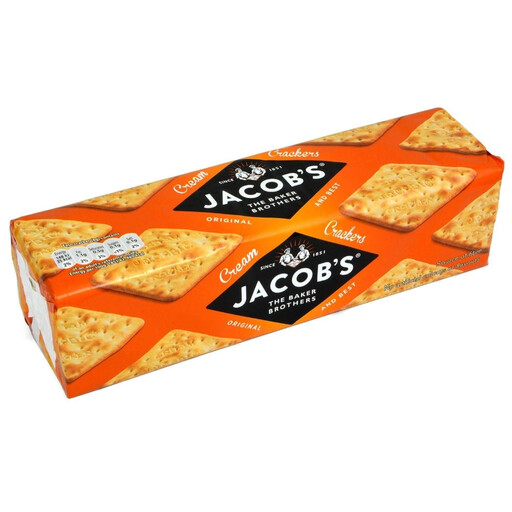 No image available
A savoury cracker option when you plan to serve cheese or spreads rather than a plain biscuit with coffee. Check both the crackers and any toppings for relevant allergens.
 No image available
A chocolate-coated digestive variant for serving with coffee. Compare its per-biscuit nutrition and ingredients with a plain digestive if that distinction matters to your guests.
The digestives in the cited UK listings are wheatmeal biscuits, whereas Jacob’s Cream Crackers and Ritz are sold as crackers. Choose by how you will serve them: a biscuit alongside coffee, or a cracker with savoury toppings.
No benefit follows from the name alone. Sainsbury’s Siro Sugar Free Digestives listing explicitly notes that “digestive” does not mean the biscuit has specific digestive characteristics.
Check the current pack’s ingredients, allergen declarations and precautionary warnings for the exact product and any toppings. For example, Sainsbury’s lists its Free From Chocolate Digestive as gluten free and suitable for coeliacs, but says it contains milk and soya and is unsuitable for customers with a nut allergy because of manufacturing methods.
Not for every guest or every serving plan. A gluten-free label addresses a particular requirement, while other allergens still need checking; the cited Sainsbury’s option is also chocolate-coated rather than a plain digestive.
Follow the storage directions on each pack and keep its label available for guests who need to check it. If preparing ahead, plan when to open the biscuits and crackers rather than leaving them exposed on the table.