Plain-digestive tea drinkers
If you want a lightly sweet biscuit with tea, compare the pack size and label of the particular plain digestive you are considering. The cited Tesco, ASDA and McVitie’s plain digestives contain wheat.


Choose a plain digestive for a lightly sweet biscuit with tea, or a chocolate-coated digestive if you specifically want chocolate; compare the exact packs’ nutrition labels rather than treating the two as interchangeable. For someone avoiding gluten, look for a digestive labelled gluten-free and check its other allergens. If you plan to serve cheese or other savoury toppings, a savoury cracker fits that use instead.
If you want a lightly sweet biscuit with tea, compare the pack size and label of the particular plain digestive you are considering. The cited Tesco, ASDA and McVitie’s plain digestives contain wheat.
A chocolate-coated digestive serves a different purpose from a cracker intended for savoury toppings. Decide what you plan to put on the table before comparing packs.
Look for a product specifically labelled gluten-free, then check the current pack for any other ingredients or precautionary allergen statements that matter to the person eating it.
Start with how you will serve the biscuit, then compare the exact packs for nutrition, allergens and size.
| Priority | What to check | Your needs |
|---|---|---|
| Sweet or savoury | Choose between a plain digestive, a chocolate-coated digestive and a cracker for toppings. Check the product type rather than relying on the word “cracker”. | I’d like a lightly sweet biscuit with tea, chocolate with my tea, or a base for cheese and other savoury toppings. |
| Nutrition and portions | Compare sugars and saturates per 100g on the exact packs. Use per-biscuit figures, where stated, to consider the portion you intend to serve. | If I’m choosing between plain and chocolate-coated digestives, I want figures measured on the same basis before deciding how many to put out. |
| Allergens | Read the current ingredients and precautionary allergen statements. For a gluten-free digestive, check for explicit gluten-free labelling and any other relevant allergens. | Someone eating these may need to avoid gluten or another ingredient, so the label on the pack I serve matters more than the biscuit category. |
| Pack size and storage | Compare pack weights and formats, then follow each pack’s storage directions after opening. | A smaller pack may suit one tea break; if I’ll use a pack over several breaks, I’ll check how the manufacturer says to store it. |
The cited digestives are sweet biscuits, while Jacob’s Cream Crackers and Carr’s Table Water Crackers are savoury options for toppings.
Decide whether you want a biscuit alongside tea or a base for savoury food before choosing a pack.
Tesco Groceries lists 28.5g sugars per 100g for McVitie’s Milk Chocolate Digestives 266g, compared with 15.1g per 100g for McVitie’s Original Digestives 315g. The biscuits also differ in size.
Compare per-100g figures first, then check the serving information on the exact pack.
Schär’s UK digestive listing includes soya ingredients and says the biscuits may contain lupin and eggs.
Check all relevant ingredients and precautionary statements on the current pack.
Tesco and ASDA warn that online product information can differ from a product’s current formulation.
Read the label on the pack you receive, particularly before serving it to someone with an allergy.
The cited range includes a plain Original Digestive and a milk-chocolate-coated version.
The cited own-label products include a 400g plain digestive and a 300g milk-chocolate digestive.
The cited 400g own-label digestive is a plain, wheat-based biscuit.
Schär lists a gluten- and wheat-free digestive in the UK.
The cited Cream Crackers are a savoury option for toppings, not a sweet digestive.
The cited Table Water Crackers are another savoury alternative to digestives.
These options include plain, chocolate-coated and gluten-free digestives, plus savoury crackers for serving with toppings. Compare each pack with the way you plan to serve it.
 No image available
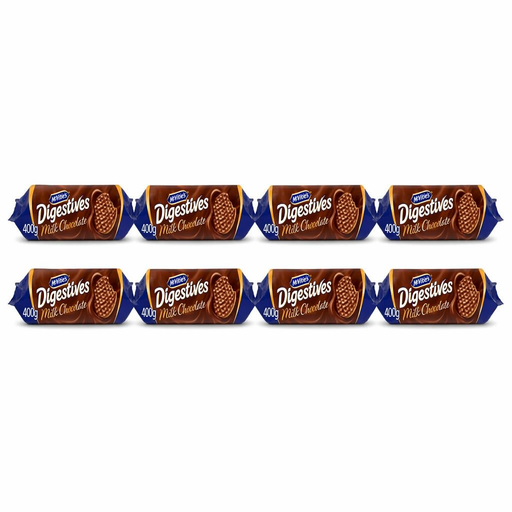
A chocolate-coated digestive for serving as a sweet biscuit with tea. This is a 400g pack; check its own nutrition and allergen label rather than applying figures from a different pack size.
 No image available
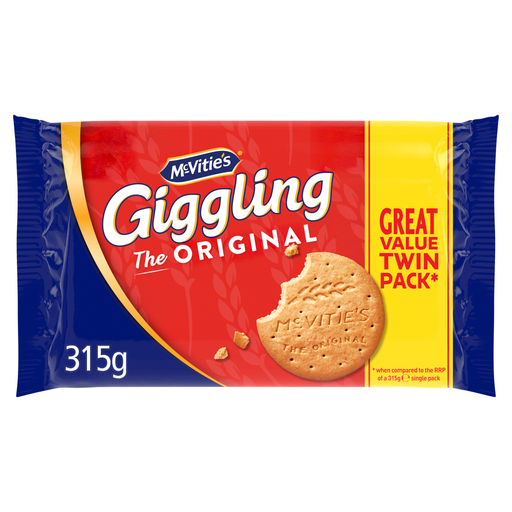
A plain digestive option for tea in a twin pack of 2x315g. Its pack format differs from the single 315g product cited elsewhere; check the current label for ingredients and storage directions.
 No image available
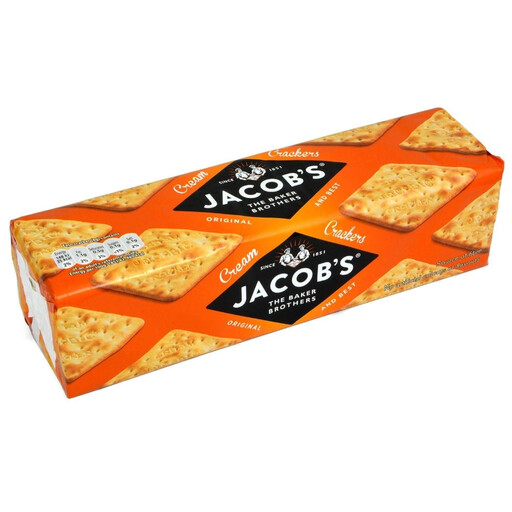
A savoury cracker option when the tea break includes cheese or other toppings rather than a sweet digestive. This is a 300g pack; use its own label for nutrition and allergen details.
 No image available
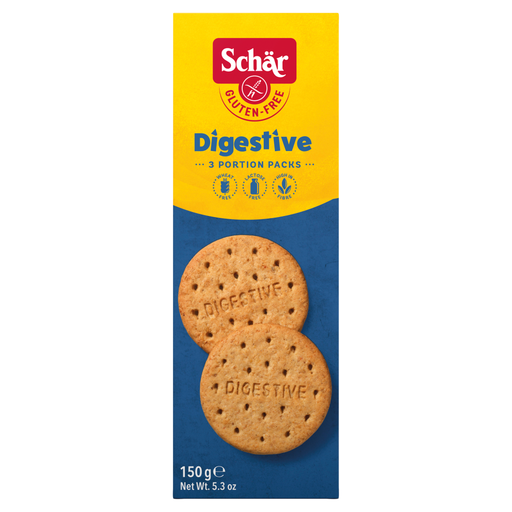
A labelled gluten-free digestive in a 150g pack. Schär’s UK digestive information lists soya and warns of possible lupin and eggs, so check the current pack against every relevant allergen requirement.
 No image available
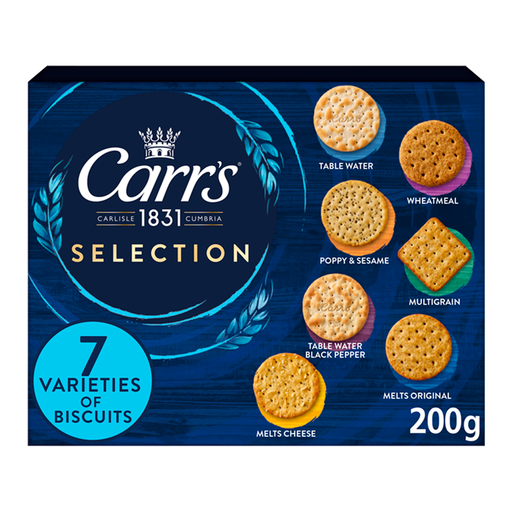
A 200g cracker selection for a tea break with savoury toppings rather than a sweet biscuit. Check the selection pack’s own ingredients and nutrition; figures for Carr’s Table Water Crackers do not describe every cracker in this pack.
No. The name does not establish a digestive benefit; Morrisons describes “digestive” as a traditional biscuit name, not a claim that it aids digestion.
The cited plain Tesco, ASDA and McVitie’s digestives contain wheat, so they are not the gluten-free option here. Look for a digestive explicitly labelled gluten-free, such as Schär’s, and check its current pack for other relevant allergens.
Follow the directions on the exact pack. The cited Tesco and McVitie’s plain digestives instruct buyers to store them in a cool, dry place and use an airtight container after opening.
Check the delivered pack’s label before serving the biscuits, especially when allergens matter. Tesco and ASDA warn that online product information can change when products are reformulated; contact the seller about a specific order discrepancy.