Tea-break biscuit buyers
If you want a plain digestive with tea, consider whether you also want to serve it with cheese. Check the particular pack rather than assuming all digestives have the same ingredients or biscuit size.


Choose a plain digestive for a tea biscuit that can also accompany cheese, a chocolate digestive when chocolate flavour is the point of the break, or a savoury cracker when toppings take priority. Compare the actual pack’s ingredients, allergens, sugars, salt and serving size: “digestive” is a biscuit name, not a promise of a digestive benefit.
If you want a plain digestive with tea, consider whether you also want to serve it with cheese. Check the particular pack rather than assuming all digestives have the same ingredients or biscuit size.
If cheese or another savoury topping is the main event, a table-water or savoury cracker gives you a different choice from a sweet digestive. Compare the salt labels as well as the style of cracker.
If wheat, milk, oats or another ingredient affects your choice, read the purchased pack’s ingredients and precautionary warnings. Ordinary wheat digestives and labelled gluten-free biscuits need separate checks.
Decide whether you want a plain biscuit, a chocolate-coated biscuit or a savoury base, then compare labels within that type.
| Priority | What to check | Your needs |
|---|---|---|
| Flavour and use | Check whether the pack contains plain digestives, chocolate digestives or savoury crackers. A mixed cheese-biscuit selection may contain several types. | I want a biscuit with tea, something to accompany cheese, or a savoury base for toppings. Choosing that use first makes the pack descriptions easier to compare. |
| Sugars and salt | Compare like-for-like values per 100g, then check the amount per biscuit or serving. Asda’s labels list 16g sugars per 100g for its 400g plain digestives and 28g for its 300g milk-chocolate digestives. Carr’s lists 1.5g salt per 100g for Table Water Crackers; Tesco’s Ritz Original 150g listing gives 1.30g per 100g. | For a regular tea break, I want to know what the particular biscuit contributes, rather than judging sugars or salt by its name or appearance. |
| Ingredients and allergens | Read the ingredients, allergen information and relevant “may contain” warnings on the pack. If gluten-free labelling matters, check it on the specific product; check oats and other ingredients separately. | I need a biscuit that meets my ingredient requirements, not just a product described as vegan, free from or a digestive. |
| Pack and storage | Check the pack weight against how often you will use it. Follow its directions after opening; Asda’s plain digestive listing and Carr’s Table Water listing specify an airtight container. | If elevenses is occasional, I would rather choose a pack I can store as directed and use between breaks. |
Jacob’s cheese-biscuit selection contains several biscuit types, while Carr’s Table Water and Ritz Original are savoury crackers. They do not serve exactly the same flavour preference as a plain digestive.
Choose between a tea biscuit and a savoury topping base before comparing individual packs.
Asda’s plain digestive is labelled vegan but carries a possible milk warning. Its gluten-free oat digestives and Sainsbury’s gluten-free oat digestives carry separate nut cautions. The word “digestive” does not establish a digestive-health effect.
Read the purchased pack’s full ingredient and precautionary statements against each requirement that matters to you.
The Good Housekeeping Institute’s plain-digestive ranking was updated in September 2020. Its results describe the tested packs at that time, not every current recipe or pack size.
Use the ranking for its historical taste-test context, and check the name, weight and label of the pack you are considering now.
These examples distinguish biscuit types and specific labelled variants; a detail on one pack should not be assumed to apply across a brand.
Jacob’s Hovis Digestives and its mixed Biscuits for Cheese selection show why a digestive and a box of assorted crackers should be considered separately.
Table Water Crackers are a savoury option to consider when serving toppings instead of a sweet tea biscuit.
Ritz Original is a savoury cracker rather than a digestive variety.
Tesco’s 400g plain digestives provide a labelled example for comparing an everyday tea biscuit.
The checked 188g Free From Digestive Biscuits are an oat-based option for shoppers looking for an expressly gluten-free biscuit.
Asda’s checked plain, milk-chocolate and free-from digestives meet different flavour and label-checking needs.
Plain and milk-chocolate McVitie’s digestives belong to different taste-test categories, so their results should not be treated as interchangeable.
These options span labelled gluten-free biscuits, a milk-chocolate digestive, a sugar-free-labelled digestive and a savoury cracker. Hobnobs are an oat biscuit option, not a digestive.
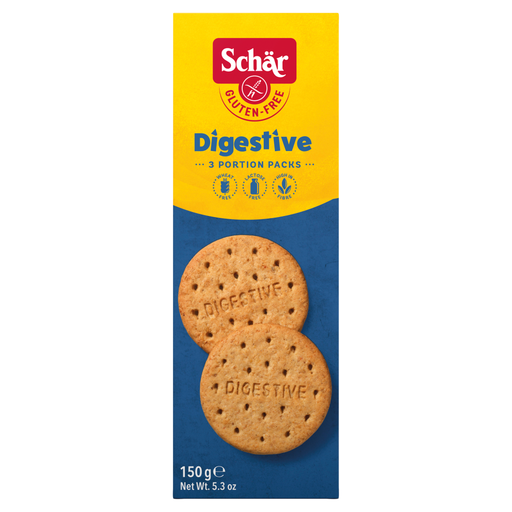 No image available
A digestive option for elevenses when you are looking for a gluten-free-labelled biscuit. Check the purchased pack’s ingredients and other allergen warnings against your requirements.
 No image available
A milk-chocolate digestive for a tea break where chocolate flavour matters more than keeping the biscuit plain. Compare the pack’s sugars per 100g and per biscuit if portion size matters to your choice.
 No image available
A digestive to consider if the pack’s sugar-free labelling is relevant to your comparison. Read the nutrition table, ingredients and any usage warnings on the purchased pack rather than treating the product name as a complete dietary assessment.
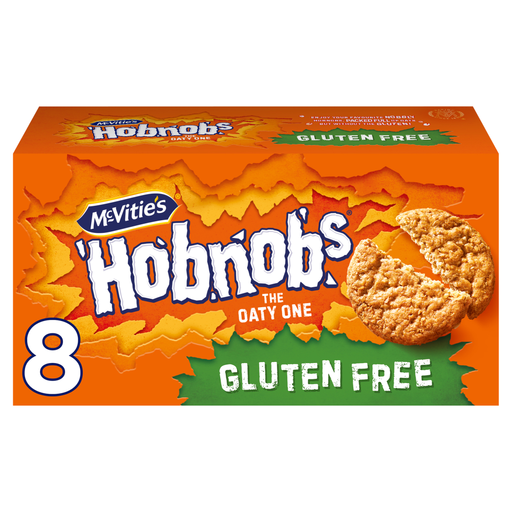 No image available
A gluten-free-labelled biscuit option if an oat biscuit appeals more than a digestive. Hobnobs are a different biscuit type; check the pack’s ingredients and precautionary warnings for any other dietary requirements.
 No image available
A savoury cracker option for elevenses with toppings rather than a sweet digestive. Tesco’s listing for Ritz Original 150g gives 1.30g salt per 100g and lists wheat and barley ingredients plus a possible milk warning; check the purchased pack.
The name “digestive” does not establish a digestive benefit. Choose the biscuit by its ingredients, nutrition label and intended use rather than treating it as a remedy; NHS information about digestion discusses diet more broadly, not digestive biscuits as a treatment.
Yes, an oat-based product can carry a gluten-free label if it meets the applicable standard. Coeliac UK says foods labelled “gluten free” may contain no more than 20 parts per million of gluten and that uncontaminated oat products may use the label. Check the particular pack’s other ingredients and warnings separately.
Read the ingredients, allergen information and relevant “may contain” warnings on the actual pack. A vegan label, a gluten-free label or a familiar brand name does not answer every allergen question; check toppings separately if you are serving crackers with them.
Follow the directions on the pack you buy. The checked Asda plain digestive and Carr’s Table Water listings both instruct you to use an airtight container once opened.