Buy plain digestives when your base recipe specifies them; choose shortbread when you want its buttery flavour in the dessert. Both are used in cheesecake recipes, but Dr. Oetker UK and Good Food give different biscuit and butter quantities for their respective methods, so follow a recipe written for your chosen biscuit and tin rather than swapping one into the other unchanged. Check the exact pack’s ingredients and allergy information if you are baking for someone else.
Who is this choice for?
First-time cheesecake bakers
If you are making a pressed biscuit base, choose a recipe that gives you the biscuit quantity, added butter and tin size together. That is more useful than choosing a biscuit and borrowing the butter quantity from another method.
Bakers matching a base to a filling
Plain digestives and shortbread offer different ingredient profiles. Decide whether you want the biscuit base to sit behind the filling or contribute a noticeable buttery flavour, then use a recipe developed for that biscuit.
Bakers serving guests with food restrictions
Check the current biscuit pack’s ingredients and precautionary allergy statements, then check the butter, filling and toppings too. A suitable biscuit alone does not establish that the finished dessert is suitable for a guest.
What should you check before buying?
Start with the biscuit named in your recipe, then compare its method and required weight with the exact pack you intend to buy.
| Priority |
What to check |
Your needs |
| Flavour fit |
Check whether the recipe specifies plain digestives or shortbread. Read the shortbread ingredients if butter flavour matters: Walker’s lists 32% butter in its Shortbread Fingers, while the Dean’s fingers listed by Sainsbury’s contain both salted butter and vegetable margarine. |
I want the base to complement the filling without introducing a biscuit flavour I did not plan for. |
| Recipe method |
Keep the biscuit and butter quantities together. Dr. Oetker UK gives 250 g digestives with 125 g unsalted butter for its cheesecake base; Good Food’s millionaire’s cheesecake uses 250 g shortbread with 75 g melted butter. Follow the relevant tin and preparation steps as well. |
If I am pressing crumbs into a tin, I need quantities and instructions written for the biscuit I have chosen, rather than a butter ratio taken from a different cake. |
| Ingredients and allergies |
Read the current ingredients and precautionary allergy statements on the exact pack. The Tesco digestives listed in the research contain dried skimmed milk; Waitrose’s Essential Digestives say they may contain milk. Check every other dessert ingredient separately. |
When I am baking for someone with an allergy, the whole dessert needs checking—not just the biscuit name on the front of the pack. |
| Pack quantity |
Compare net pack weight with the recipe before ordering. Good Food’s checked shortbread recipes call for 200 g or 250 g, while the Walker’s and Dean’s finger packs described here contain 150 g and 125 g respectively. Confirm the listing’s current availability. |
I want enough of the chosen biscuit to make the specified base without discovering midway through that one pack is too small. |
Common mistakes to avoid
-
Transferring a digestive recipe’s butter quantity to shortbread
Dr. Oetker UK’s digestive-base method uses 250 g digestives and 125 g butter; Good Food’s millionaire’s cheesecake uses 250 g shortbread and 75 g butter. They are separate recipes, not interchangeable ratios.
Choose a method written for your biscuit and tin before buying the ingredients.
-
Assuming the biscuit category tells you every ingredient
The Dean’s Shortbread Fingers listed by Sainsbury’s include vegetable margarine as well as butter. Milk also appears in some digestive ingredients or precautionary allergy statements.
Read the exact current pack, including its ingredients and allergy information, when flavour or suitability matters.
-
Choosing a pack without checking its weight
Good Food’s checked shortbread recipes require 200 g or 250 g of biscuits, more than either the 150 g Walker’s pack or the 125 g Dean’s pack described here.
Compare the recipe quantity with the pack weight and check availability before ordering.
You may need another pack to reach the recipe’s stated biscuit weight.
Brand and product references
These product examples show why pack size and ingredients deserve a check; they are not a ranking or a list of Joybuy stock.
Walker’s
Its Shortbread Fingers are an all-butter example for a base where butter flavour is wanted.
- Walker’s lists butter at 32% in the checked fingers.
- The described 150 g pack is smaller than either of Good Food’s checked shortbread recipe quantities.
Dean’s
Its Shortbread Fingers illustrate why the ingredients matter more than the word “shortbread” alone.
- The checked listing identifies a 125 g pack.
- Sainsbury’s ingredient listing includes salted butter and vegetable margarine, so these are not an all-butter example.
M&S
Its listed shortbread and plain digestives provide examples of both biscuit types.
- M&S lists 34% unsalted butter in its 210 g Scottish All Butter Shortbread Fingers.
- That shortbread listing carries a nut-allergy caution. Its 400 g Digestive Biscuits are a separate product with their own ingredients, including barley malt extract.
Waitrose
Essential Digestive Biscuits are a plain digestive example for a recipe specifying digestives.
- The checked pack is 400 g and lists wheat ingredients.
- Its precautionary allergy statement says it may contain milk.
Tesco
Its plain digestives provide another pack to compare with a recipe’s required weight.
- The checked pack is 400 g.
- Its listed ingredients include dried skimmed milk; check the current pack if milk matters.
Sainsbury’s
Its standard Digestives are a plain biscuit example, distinct from any separately labelled free-from variety.
- The checked standard pack is 400 g and is labelled suitable for vegans.
- Those standard digestives list wheat, so the vegan label does not make them gluten-free.
Digestive options on Joybuy
These two digestive varieties are options to consider if you are making a digestive-biscuit base. One is labelled sugar-free and the other gluten-free; use the exact variety your recipe and guests’ requirements call for, and check its current pack information.
 No image available
Gullon Zero Sugar Free Original Digestives 400g
A digestive option for a biscuit base if this sugar-free variety suits your recipe. The 400 g pack exceeds the 250 g of digestives used in Dr. Oetker UK’s cheesecake-base method; follow that method’s other quantities and instructions if using it. Check the current pack’s ingredients and allergy warnings before serving.
View on Joybuy
 No image available
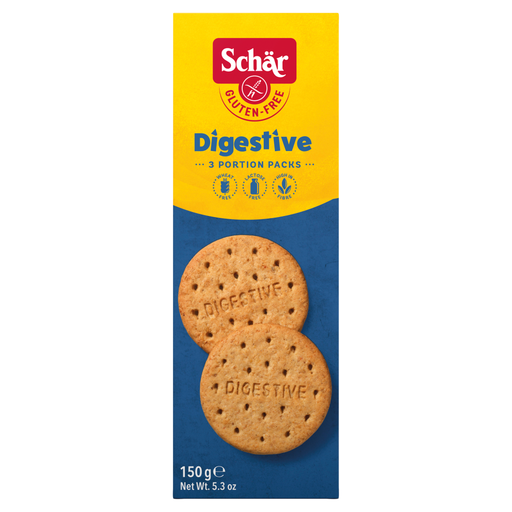
Schar Gluten Free Digestive Biscuits 150g
A gluten-free digestive variety to consider when the biscuit choice needs that label. One 150 g pack is less than the 250 g of digestives in Dr. Oetker UK’s cheesecake-base method, so check how many packs your recipe requires. Read the current pack’s full ingredients and allergy information for the people you are serving.
View on Joybuy
Questions about biscuit bases
Can I make a shortbread base without a food processor?
Yes. Good Food’s berry shortbread cheesecake slice allows you to put the biscuits in a bag and crush them with a rolling pin. Mix the crumbs with the butter specified by the recipe and press them into its stated tin.
Should biscuits and a finished cheesecake be stored in the same way?
No. Follow the biscuit pack’s storage instructions for the biscuits, and refrigerate a finished cheesecake with a chilled dairy filling. Food Standards Scotland advises keeping the fridge between 0°C and 5°C; also follow the finished dessert recipe’s storage instructions.
What allergy information should I check when making a biscuit base?
Read the current biscuit pack’s ingredients and precautionary allergy statements, then check the butter, filling and toppings separately. GOV.UK explains that allergens among the 14 used as ingredients in prepacked food must be clearly identified in the ingredients list; that labelling does not establish whether a finished homemade dessert is suitable for a particular guest.


