Who is this comparison for?

Riders planning a hard ride

If you intend to eat carbohydrate during a 1–2.5-hour high-intensity ride, the amount in each biscuit matters more than the name of the biscuit. A 2015 review indexed by PubMed advises 30–60 g carbohydrate per hour for athletes exercising at that intensity and duration; count any biscuit as part of the food and drink you plan to carry.

Cyclists carrying a familiar snack

A biscuit may be easy to pack, but you still need a suitable moment to open and eat it. British Cycling notes that eating on the bike can be challenging and that stomach discomfort can disrupt a ride. Try the product and portion on an ordinary training ride.

Riders checking ingredients and allergens

Read the exact packet before buying or sharing biscuits. The McVitie’s digestive example contains wheat; Dean’s and Walker’s shortbread examples contain wheat and milk, and Walker’s states that its product may also contain nuts, according to their respective product information.

What should you check before choosing?

Plain digestives

Consider when: You want a familiar biscuit whose carbohydrate per portion you can count within a ride plan.

Bear in mind: The McVitie’s Original example also contains fat, fibre and wheat; try your chosen portion during training rather than assuming it will suit you on the bike.

Plain shortbread

Consider when: You prefer shortbread as a small, supplementary snack and can check the carbohydrate in the portion you carry.

Bear in mind: Dean’s and Walker’s examples contain milk as well as wheat, and both list more fat per 100 g than the McVitie’s Original digestive example.

Sports food or drink

Consider when: A demanding ride calls for a measured carbohydrate plan rather than an occasional snack chosen by preference.

Bear in mind: Check carbohydrate per portion and try the product during training; a sports label alone does not establish how it will work for your ride.

Priority What to check Your needs
Carbohydrate per portion Read carbohydrate per biscuit or serving, not just per 100 g. Joybuy lists 9.3 g per biscuit for McVitie’s Original Digestives; use the current packet for the portion you will carry. I want to know what my snack contributes to the food and drink planned for the ride.
Fat and fibre Compare plain products on the same per-100-g basis. Waitrose & Partners lists McVitie’s Original Digestives at 21.3 g fat and 3.7 g fibre; Dean’s of Huntly lists its shortbread fingers at 25.8 g fat and 1.9 g fibre. If eating during a ride is difficult for me, I want to try the exact biscuit and portion in training before packing it for an event.
Carrying and eating Check the packet size, how it opens and whether you can eat at a safe point. Walker’s Shortbread lists a 40 g twin-pack format; British Cycling notes that retrieving and eating snacks while riding can be challenging. A small pack would be useful, but I can stop to eat if handling food while cycling is unsafe.
Ingredients and allergens Read the current pack’s ingredients and allergen statement. The cited McVitie’s digestive contains wheat; the Dean’s and Walker’s shortbread examples contain wheat and milk, and Walker’s says its product may also contain nuts. Before I buy or share a packet, I need to check that particular recipe rather than rely on the word “digestive” or “shortbread”.

Common mistakes when packing biscuits

  • Choosing by the word “digestive” alone

    A digestive is still a biscuit with other nutrients alongside its carbohydrate. Waitrose & Partners lists 21.3 g fat and 3.7 g fibre per 100 g for McVitie’s Original Digestives.

    Compare the current nutrition panels per 100 g, then check carbohydrate in the number of biscuits you will actually take.

  • Counting shortbread’s calories as carbohydrate

    Dean’s of Huntly lists 25.8 g fat per 100 g for its Traditional Shortbread Fingers; Walker’s Shortbread lists 30.3 g per 100 g for its twin-pack fingers. Those values matter when comparing them with a plain digestive.

    If you pack shortbread, count its stated carbohydrate per portion rather than using its calorie figure to plan carbohydrate intake.

  • Trying a new biscuit on an important ride

    British Cycling notes that eating while riding can be difficult and that stomach discomfort can disrupt a ride.

    Try the exact biscuit, portion and timing during training. Stop before opening or eating it whenever riding conditions make that safer.

  • Relying on an old ingredient list

    The cited digestive and shortbread examples have different milk and nut information, and Waitrose & Partners advises shoppers to check labels because recipes can change.

    Read the physical packet before purchase and before sharing it with another rider.

Product lines worth comparing

McVitie’s

Original Digestives provide a plain digestive example for comparing packet nutrition with shortbread.

  • Waitrose & Partners lists 63.6 g carbohydrate, 21.3 g fat and 3.7 g fibre per 100 g; Joybuy lists 9.3 g carbohydrate per biscuit for its Original Digestives listing.
  • The cited Original product contains wheat. Check the current pack and the amount you plan to eat.

Dean’s

Traditional Shortbread Fingers offer a named all-butter shortbread example to compare with a plain digestive.

  • Dean’s of Huntly lists 64.2 g carbohydrate and 1.9 g fibre per 100 g for this product.
  • The same product lists 25.8 g fat per 100 g and contains wheat and milk.

Walker’s

The Shortbread Fingers twin-pack is a 40 g snack-pack example where pack size may help with carrying a portion.

  • Walker’s Shortbread lists 58.4 g carbohydrate per 100 g for its twin-pack fingers.
  • The product lists 30.3 g fat per 100 g, contains wheat and milk, and may also contain nuts.

Waitrose Essential

Essential Digestive Biscuits are another plain digestive line to consider when comparing packets.

  • Waitrose & Partners identifies Essential Digestive Biscuits in its range.
  • Check the packet’s carbohydrate per portion, fat, fibre and allergen statement before using it in a ride plan.

Digestive options on Joybuy

These products are digestive biscuits, including plain, gluten-free and chocolate varieties. Use their individual labels when comparing them with shortbread; the chocolate varieties are not the plain digestive used in the comparison above.
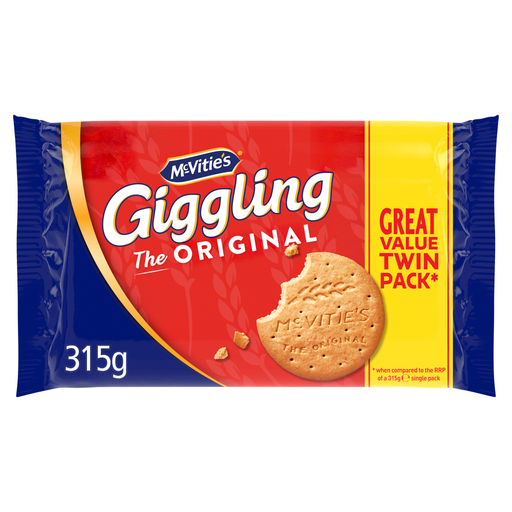
McVitie's Digestives the Original 2 x 315 g packs

McVitie’s Digestives the Original, 2 x 315 g

A plain digestive to consider when counting carbohydrate in a biscuit portion for a ride. Joybuy lists 9.3 g carbohydrate per biscuit and, per 100 g, 63.6 g carbohydrate, 21.3 g fat and 3.7 g fibre. The listed ingredients include wheat flour; check the current pack before use.

View on Joybuy

Gullon Zero Sugar Free Original Digestives 400 g

Gullon Zero Sugar Free Original Digestives, 400 g

This sugar-free digestive is a different variant from the plain McVitie’s example. If considering it for a ride, check its current carbohydrate per portion, ingredients and any sweetener advice on the packet; do not assume the plain digestive figures apply.

View on Joybuy
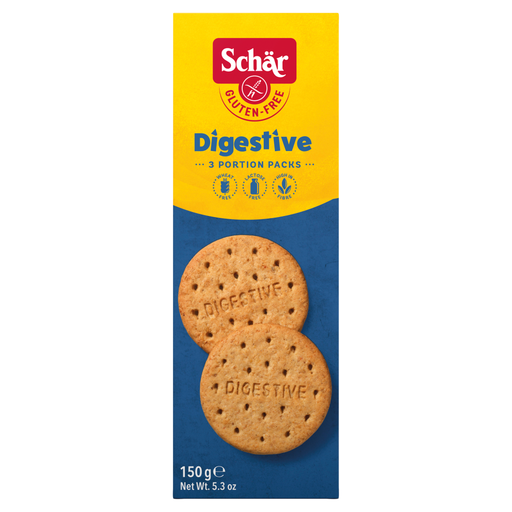
Schar Gluten Free Digestive Biscuits 150 g

Schar Gluten Free Digestive Biscuits, 150 g

A gluten-free digestive variant for riders comparing ingredient requirements as well as biscuit type. Check the current packet for its full allergen statement and carbohydrate per portion before adding it to a ride plan.

View on Joybuy
McVitie's Digestives Dark Chocolate Twin Pack, 2 x 266 g

McVitie’s Digestives Dark Chocolate Twin Pack, 2 x 266 g

This dark-chocolate digestive is not the plain Original product used in the biscuit comparison. Read this variant’s own carbohydrate, fat and allergen information before deciding what portion to carry.

View on Joybuy
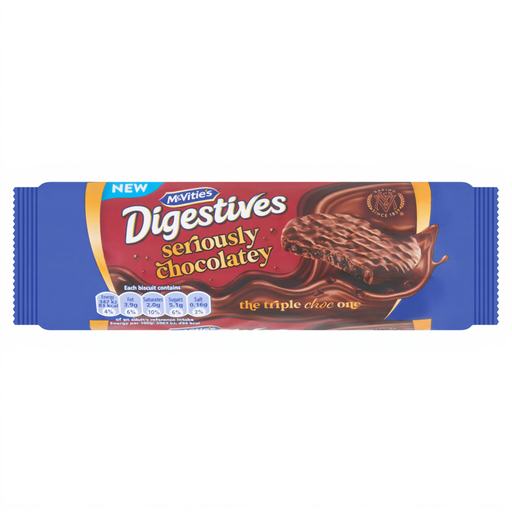
McVitie's Seriously Chocolate Digestives 250 g

McVitie’s Seriously Chocolate Digestives, 250 g

This chocolate variety differs from a plain digestive. If packing it as a snack, use the nutrition and ingredient information for this exact product rather than the figures for McVitie’s Original Digestives.

View on Joybuy

Questions about biscuits on a ride

Is a digestive a better ride snack than shortbread?

A plain digestive is worth considering when you want the lower-fat option among these specific examples: Waitrose & Partners lists McVitie’s Original Digestives at 63.6 g carbohydrate and 21.3 g fat per 100 g, while Dean’s of Huntly lists its shortbread fingers at 64.2 g carbohydrate and 25.8 g fat. That label comparison does not show that every digestive suits every rider or replaces a measured fuelling plan.

How much carbohydrate is in McVitie’s Original Digestives?

Joybuy lists 9.3 g carbohydrate per biscuit for McVitie’s Original Digestives. Three biscuits therefore account for 27.9 g and four for 37.2 g using that listing; check the current packet before applying those figures, and do not use them for another digestive variety.

Can biscuits be the main food for a hard 1–2.5-hour ride?

Do not assume an unmeasured packet will cover a planned carbohydrate intake. A 2015 review indexed by PubMed advises 30–60 g carbohydrate per hour for athletes undertaking 1–2.5 hours of high-intensity exercise. If you plan to eat biscuits, count their carbohydrate alongside other food and drink, and try the plan during training.

Which allergens should I check on digestives and shortbread?

Check the exact current packet. The cited McVitie’s Original digestive contains wheat; Dean’s Traditional Shortbread Fingers and Walker’s Shortbread Fingers contain wheat and milk, and Walker’s says its product may also contain nuts. Ingredients can change, so a different product or an older packet is not a substitute for its current label.