Turning over a new patch of garden or preparing your allotment for the season is a rewarding task, but it can quickly become a chore with the wrong tool. Whether you're breaking ground in heavy clay, turning over compacted soil or simply moving loose earth, the right digging spade makes all the difference. With so many options on the market, choosing a reliable garden digging tool can feel overwhelming.
As the Joybuy Product Recommendation Officer, my role is to help you navigate the choices. This guide cuts through the clutter to focus on what truly matters: durability, design and suitability for the job at hand. We will explore the key features to look for and present a selection of spades that offer genuine value for UK gardeners.
How to Choose the Right Garden Digging Spade
Before you make a decision, consider these practical points. The ideal spade for your neighbour's sandy plot might not be the right one for your stony ground.
1. Blade Material: Stainless Steel vs. Carbon Steel
The business end of a spade is its blade, and the material it's made from dictates its performance and longevity.
- Stainless Steel: A stainless steel spade is highly resistant to rust and corrosion, making it a durable choice for the damp UK climate. The smooth, often polished surface also means soil is less likely to stick, which reduces the effort needed for cleaning and digging. This makes it an excellent choice for working in sticky, heavy soil.
- Carbon Steel: Often heat-treated for extra strength, carbon steel is incredibly strong and can hold a sharp edge well. While tougher than stainless steel, it is more prone to rust if not properly cared for. Many carbon steel spades feature a protective powder coating to guard against moisture and soil alkalis.
2. Handle and Shaft: Strength and Comfort
The handle and shaft determine how comfortable the spade is to use and how effectively you can transfer force into the ground.
- Material: Traditional ash or hickory handles offer a good balance of strength and shock absorption. Modern alternatives include tubular steel or fibreglass, which provide exceptional durability and weather resistance.
- Handle Type: The most common handle shapes are the 'D' grip and the 'T' grip. A D-shaped handle is generally more accommodating for larger hands or when wearing gloves, offering a secure grip for powerful digging.
- Length: A longer shaft provides more leverage, which can be a significant advantage when trying to break up a compacted spade for clay soil. However, ensure the total length is comfortable for your height to avoid back strain.
3. Blade Shape and Features
Not all spade blades are the same. A slightly dished blade is ideal for moving loose material, while a flatter blade can double as an edging spade for creating neat lawn borders. For tough ground, look for a spade with a sharpened edge to slice through roots and a treaded top. These small metal steps on the top of the blade allow you to use your body weight to drive the tool into the earth without damaging your footwear or straining your foot.
Our Top Product Recommendations
Here are our recommendations for digging spades that balance performance, durability and value for a range of gardening needs.
Faithfull Digging Spade
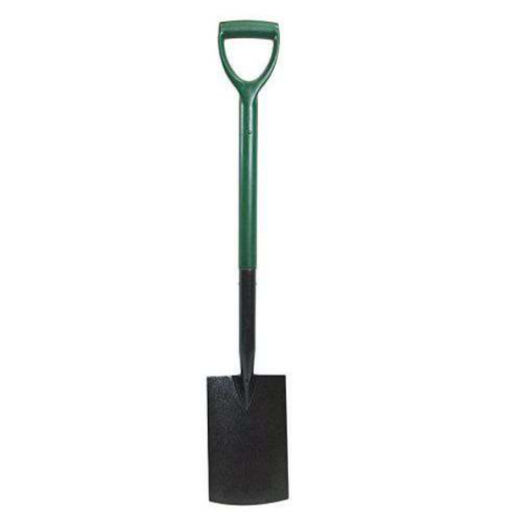
- Why It Stands Out: This spade is a fantastic all-rounder, offering robust construction at an accessible price point. The head is made from heat-treated carbon steel, providing the strength needed for general digging and soil turning. Its powder-coated finish offers good resistance to rust and scratches.
- Pros:
- Durable carbon steel head for strength.
- Protective coating resists rust and soil alkalis.
- Treaded top reduces foot fatigue and protects boots.
- Semi-flat blade is versatile enough for digging and light edging tasks.
- Who is it for? Homeowners and frequent gardeners looking for a reliable and affordable soil turning spade for preparing beds, moving soil and general garden maintenance.
Kent and Stowe Unbreakable Stainless Steel Digging Spade
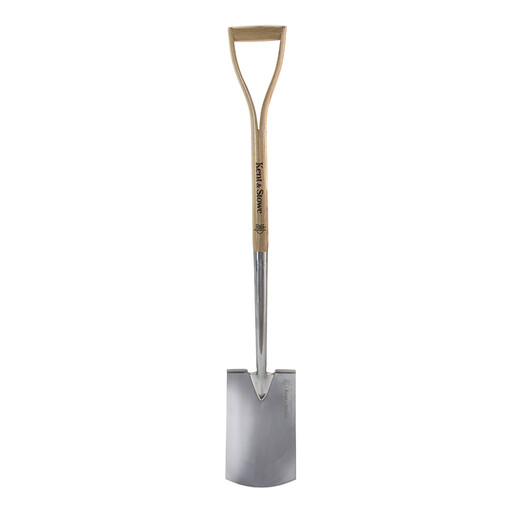
- Why It Stands Out: Engineered for the most demanding tasks, this is a true heavy duty garden spade. Its standout feature is the one-piece, hot-forged construction, where the head and socket are a single piece of stainless steel. This eliminates the traditional weak point at the weld, making it exceptionally strong.
- Pros:
- High-quality stainless steel spade blade resists rust and soil adhesion.
- One-piece forged construction for superior strength and durability.
- Sharp cutting edge slices through tough soil and roots with ease.
- Large, reinforced tread for secure foot placement and maximum force.
- Who is it for? Serious gardeners, allotment owners and landscapers who regularly tackle challenging conditions like heavy clay, compacted earth or stony ground and need a tool that will not bend or break under pressure.
Fiskars Metal Rounded Spade
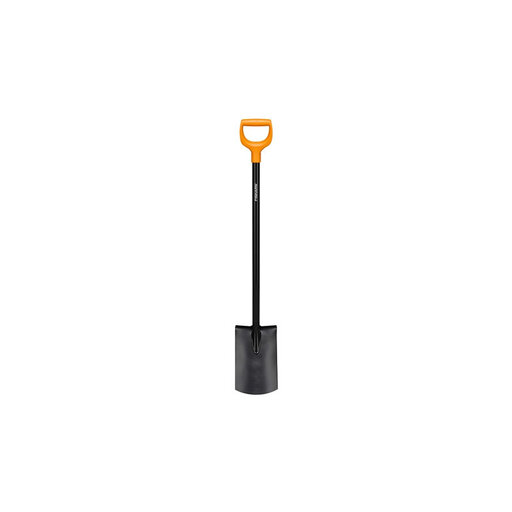
- Why It Stands Out: The Fiskars Solid spade combines affordability with smart design. The boron steel head is both strong and lightweight, and its sharp, pointed blade is particularly effective for digging into grassy topsoil or for planting tasks. The steel head is welded directly to a strong metal shaft, ensuring a durable connection.
- Pros:
- Sharp, pointed blade edge is ideal for general digging and planting.
- Boron steel head provides strength without excessive weight.
- Stepping board allows for easier soil penetration.
- Ergonomic D-shaped handle fits all hand sizes, with or without gloves.
- Who is it for? Gardeners seeking a versatile and affordable garden digging tool for everyday tasks like digging, planting and creating lawn edges in standard soil conditions.
Looking for More Options?
If these recommendations aren't quite what you're looking for, or if you need a more specialised tool like a border spade or a transplanting spade, we have a wider selection available.
? Explore our full range of Garden Spade Tools to find the perfect match for your garden.
Frequently Asked Questions
What is the difference between a spade and a shovel?
Although the terms are often used interchangeably, they are different tools. A digging spade typically has a flatter, rectangular blade with a sharper edge, designed for cutting into soil, digging trenches and edging. A shovel usually has a broader, more scooped blade, designed for lifting and moving loose materials like soil, sand or snow.
How do I choose a digging spade for heavy clay soil?
When choosing a spade for clay soil, prioritise strength and design. A stainless steel spade is a good choice, as the sticky clay is less likely to cling to its polished surface. Look for a model with a forged head (like the Kent and Stowe spade) rather than a stamped one, as it will be much stronger and less likely to bend. A sharp edge and a sturdy foot tread are also essential for penetrating dense soil.
Is a stainless steel spade better than a carbon steel one?
Neither is definitively "better"; they just have different strengths. A stainless steel spade offers excellent rust resistance and easy cleaning, making it low-maintenance and ideal for wet or sticky soils. A heavy duty garden spade made from high-carbon steel is often stronger and can be sharpened to a finer edge, but it requires more care to prevent rust. Your choice depends on your soil type and how much maintenance you're willing to do.


