Households comparing rooms
If you want to know whether one room is consistently more humid than another, matching units, stated measurement tolerance and comparable placement matter more than a single isolated reading.


For a direct room-to-room comparison, start with matching digital hygrometers that display both relative humidity and temperature, and compare them in similar positions after their readings have settled. A clear display may be enough for occasional checks; stored readings or alerts are more useful if you need to follow recurring peaks. A hygrometer can show a moisture pattern, but it cannot identify the cause of damp on its own.
If you want to know whether one room is consistently more humid than another, matching units, stated measurement tolerance and comparable placement matter more than a single isolated reading.
If readings rise after showering, cooking or drying laundry, stored readings, max/min memory or alerts can help you see whether those peaks clear.
Humidity readings can help reveal a recurring pattern, but they cannot distinguish condensation from every other cause of damp. Barrow Borough Council also identifies penetrating and rising damp as possible causes.
Decide whether you mainly need comparable readings now, a record of changes over time, or a prompt to investigate recurring condensation. Then check the features needed for that job.
| Concern | What to check | Who this matters to |
|---|---|---|
| Comparable room readings | Look for matching units with a stated relative-humidity tolerance and a temperature display. Check them together before placing them in separate rooms. | I want to tell whether my bedroom really differs from my living room, rather than mistake variation between sensors for a room difference. Around 42% of consumers would put comparable readings first. |
| History and alerts | Check what readings are stored, how you can view them and whether the alerts you want work within the stated wireless setup. | When moisture rises after cooking or showering, I need to know whether it falls again while I am doing something else. Roughly 33% of consumers would prioritise a record of changes or alerts. |
| Condensation monitoring | Consider max/min memory, dew-point information or an alarm if you need to notice repeated conditions; investigate persistent damp separately. | If condensation keeps returning, I want a prompt to look more closely without treating the display as a diagnosis. Around 25% of consumers would make recurring moisture conditions their main concern. |
A small apparent difference between rooms may be hard to interpret when the units have different stated tolerances. Manufacturer specifications can also apply only within particular humidity ranges or temperatures.
Use matching units where practical, read the conditions attached to their accuracy figures and place them together in a stable room before assigning them to separate rooms.
Govee describes the H5075 as Bluetooth-only and quotes a maximum range of 50 metres in open, unobstructed conditions. Walls and floors can affect whether a phone receives readings where you need them.
Check where the sensors and phone will be, and confirm the equipment required for any remote alert or automation you intend to use.
Some SwitchBot smart-home functions require a separate Hub Mini.
Barrow Borough Council distinguishes condensation, penetrating damp and rising damp. A hygrometer can reveal when room humidity changes, but cannot establish which of these is causing visible damp.
Use readings to follow the pattern, and investigate persistent damp, visible mould, leaks or signs of a building defect rather than relying on the number alone.
Its standalone monitors are worth considering if you want stated measurement tolerances and, on particular models, more information than the current reading.
The H5075 is an option to examine if app viewing and a record of changing readings matter to your comparison.
Meter and Meter Plus are relevant if you want displayed room readings alongside app records and possible smart-home functions.
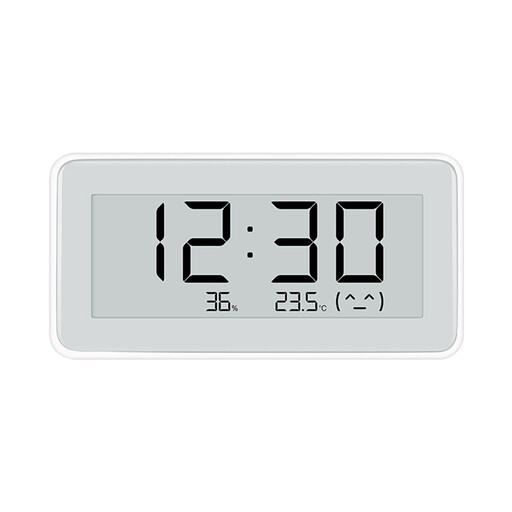
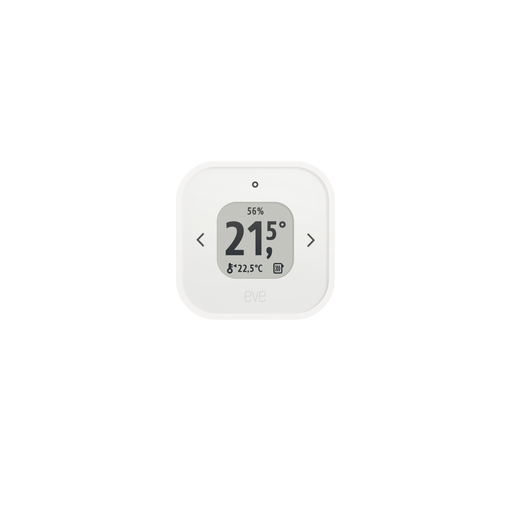
These room monitors display temperature and humidity. If you need to compare rooms at the same time, check how many units are included before choosing a setup.
 No image available
For checking temperature and humidity in a room. Confirm the pack contents if you need simultaneous readings in multiple rooms, and check the conditions behind any stated accuracy figure before interpreting small differences.
 No image available
For checking displayed room temperature and humidity if you also want a Matter over Thread sensor. It is USB-C rechargeable; linked heating-control functions require compatible Eve Thermo devices and a Matter controller with Thread Border Router. Check the pack contents for simultaneous room comparisons.
Use matching units where possible and check their readings together in a stable room before moving them to comparable positions. SwitchBot’s calibration guidance calls for at least 30 minutes of acclimatisation beside a trusted reference; follow the instructions for your own devices and let readings settle after moving them.
Yes. Relative humidity and temperature need to be read together when comparing rooms: a cooler room may face a different condensation risk even if its humidity reading looks similar. Bath and North East Somerset Council’s hygrometer guidance explains the connection between cooling air and moisture appearing on surfaces.
No. A reading can help you follow indoor moisture changes, but Barrow Borough Council also identifies penetrating and rising damp as causes of damp. Investigate persistent symptoms and possible leaks or building defects rather than assuming that ventilation alone addresses the cause.
A hygrometer reading alone cannot establish the cause of damp or legal responsibility. GOV.UK guidance addresses damp and mould duties in England; check the rules and reporting route for the relevant UK nation and your tenancy, and report persistent damp or visible mould rather than waiting for a particular reading.