What to check before choosing
For butter and flour, check the weighing increment and tare function first. Then consider the combined weight of your bowl and ingredients, followed by the space and care the scale will require.
| Concern |
What to check |
Who this matters to |
| Weighing butter in grams |
Check for gram units, 1 g increments and a tare function. An increment describes the display step, not independently tested accuracy. |
I want to weigh butter into a bowl without counting the bowl itself, and follow a recipe in grams. Around 50% of consumers put this weighing task first. |
| Family-batch capacity |
Check the maximum load with your bowl included, and whether you can re-zero between ingredients. |
When I add flour and other ingredients to the same bowl, I need the combined load to remain within the scale’s limit. For around 30% of consumers, that batch workflow is the primary concern. |
| Storage and upkeep |
Check where the scale will fit, its cleaning instructions and its battery type. |
I have limited drawer space and want to know how I will clean and store the scale after baking. Storage and upkeep come first for around 20% of consumers. |
Joybuy scales for this task
These Joybuy scales offer flat-platform and bowl-format choices for weighing pastry ingredients. Check each model’s tare function and load limit against the way you use your mixing bowl; a feature on one model should not be assumed on another.
 No image available
RENPHO Calibra 1 Smart Nutritional Scale, Stainless Steel
Consider this flat scale if you want to weigh pastry ingredients on a stainless-steel surface. If you plan to add ingredients sequentially in one bowl, confirm that this exact model has a tare function and check its maximum load with your bowl included.
View on Joybuy
 No image available
RENPHO Calibra 1L Smart Nutritional Scale, Black Glass
Consider this model if you prefer to keep pastry ingredients contained while weighing. Confirm the exact maximum load before using a bowl for a family batch: the supplied product information gives conflicting capacity figures, so do not plan around either figure without checking.
View on Joybuy
 No image available
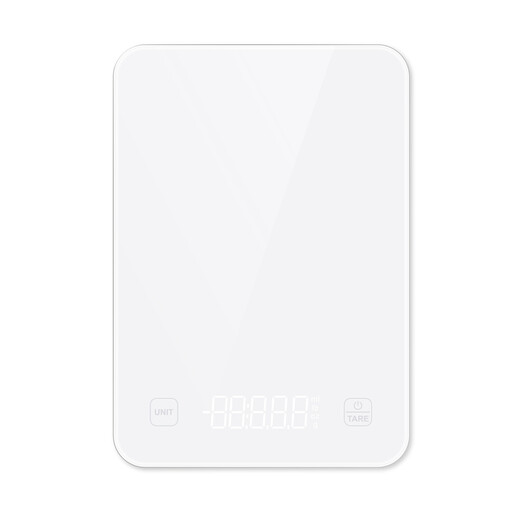
Unique Bluetooth Kitchen Scale, 10 kg, 1 g, White
This tempered-glass scale is an option if you want the stated 10 kg maximum load for a bowl and ingredients; its title also specifies 1 g precision, multiple units and app integration. Confirm tare operation and display visibility with your usual bowl before choosing it for sequential pastry weighing.
View on Joybuy
Frequently asked questions
What scale specifications do I need to weigh butter for pastry?
Start with gram units, 1 g increments, tare and a maximum load that covers your bowl plus ingredients. Salter and Lakeland document relevant 5 kg models, but check the exact scale you choose; a separate precision platform is mainly useful if you also weigh very small additions.
How do I use tare when weighing butter into a bowl?
Place the empty bowl on the scale and reset the display to zero before adding butter to the weight your recipe calls for. BBC Good Food describes this tare step; if your model supports add-and-weigh, you can reset it again before the next ingredient.
Can I wash a digital kitchen scale?
Follow the cleaning instructions for the exact scale rather than immersing its electronic base. The Joybuy Haden product instructions specify a damp cloth for its glass surface and no immersion or abrasives; Lakeland specifies that the removable bowl on its cited bowl scale is dishwasher-safe.
What should I check if a scale uses button-cell batteries?
Check the battery type and make sure the compartment remains secure. Joseph Joseph specifies CR2032 button cells for its cited Vision Compact model and warns of serious harm if they are swallowed, so keep the scale and loose cells out of children’s reach.
How should I dispose of a failed scale or spent batteries in the UK?
Use an appropriate battery or electrical collection route rather than putting them in household rubbish. UK government guidance covers recycling for batteries and electrical products; check local collection facilities or an applicable retailer take-back service.


