Hosts timing a single roast rest
If you already know how long the roast should rest, you chiefly need a countdown that is easy to start when it leaves the oven and check while you finish serving.


For a known roast-rest interval, choose a countdown timer you can start promptly and keep within sight. If guests or kitchen noise could mask its alarm, consider an explicitly loud or visual alert; choose a timer with a food probe only if you also need to monitor the roast’s temperature during cooking.
If you already know how long the roast should rest, you chiefly need a countdown that is easy to start when it leaves the oven and check while you finish serving.
If you will be plating sides, speaking with guests or moving between rooms, an alert you can notice may matter more than additional cooking functions.
If you want a temperature alarm during cooking as well as a rest timer, look at a probe-equipped device rather than relying on elapsed time to judge the roast.
Decide which job takes priority: tracking the rest, noticing the alert amid dinner-party activity, or monitoring temperature while the roast cooks.
| Concern | What to check | Who this matters to |
|---|---|---|
| Simple rest countdown | Check that the timer is easy to start and read, and that its countdown covers your intended rest interval. | I know the resting interval and want to start a clear countdown as soon as the roast leaves the oven. Around 30% of consumers put that straightforward timing need first. |
| Noticeable alert | Look for a clearly described loud or adjustable alarm or a visual cue, and consider where you can place the timer. | With guests talking and sides to finish, I need an alert I am likely to notice away from the oven. Roughly 40% of consumers prioritise that need. |
| Temperature monitoring | Check for an included food probe, temperature alarms and a separate timer suited to the intended cooking method. | I want a prompt about the roast’s internal temperature during cooking as well as a countdown afterwards. About 30% of consumers make that combined need their priority. |
A countdown tracks time, not internal food temperature. It can prompt you when a rest interval ends but cannot tell you what a probe would measure.
Choose a timer alone if temperature checks are already handled; consider a probe thermometer with a timer if you also need temperature monitoring during cooking.
An alarm is less useful if conversation, music or appliances make it hard to notice while you finish the meal.
Check the stated alert options and put the timer where you can hear or see it. Salter, Lakeland and The Range describe loud, adjustable or visual-alert options on specific models.
Temperature alarms and probe setup serve a different purpose from timing a rest interval you already know.
Match the device to the job: a standalone timer for rest timing, or a probe-equipped timer when you will use temperature monitoring during cooking.
A timer cannot give a dependable reminder if its batteries are depleted or its battery compartment is damaged.
Before the event, check the required battery type, test the alarm and follow the manufacturer’s battery-safety instructions.
These brands offer different timer functions on the specific models described below; a feature on one model does not apply to every product bearing the brand name.
A reference point for both a compact rest timer and a model with adjustable alarm volume.
An option to examine if a readable display and conspicuous alert are priorities.
A probe-equipped route for cooks who want temperature monitoring alongside rest timing.
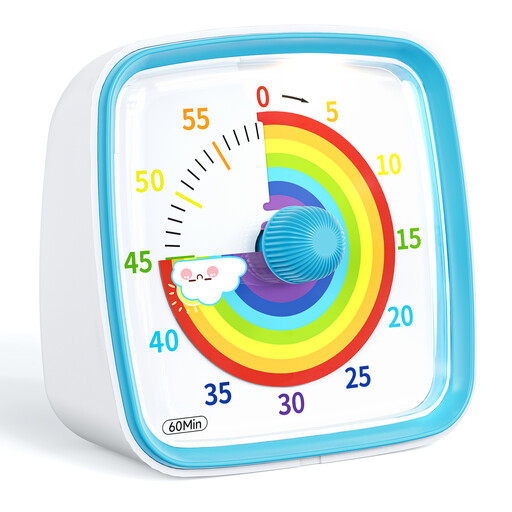
This visual countdown timer is a choice for keeping the roast’s rest in view while you finish dinner preparations. Check its alert behaviour if noticing the end of the countdown is your main concern.
 No image available
Consider this visual timer if you want to see the roast-rest countdown while finishing other tasks and your intended interval fits within 60 minutes.
The product name specifies a mute alarm function. Check how that alert works before relying on it in a busy kitchen; this timer is not a substitute for measuring the roast’s temperature.
Choose a timer whose range covers the rest interval you intend to use; a longer range matters if you also plan to time longer tasks. Salter states that its Contour timer runs to 99 minutes and 59 seconds, while its Loud Digital Kitchen Timer has a stated range of 19 hours, 59 minutes and 59 seconds.
Put it where you can see its display and notice its alert while finishing the meal. If the exact model offers magnetic or freestanding placement, choose a suitable surface that keeps it within view.
No. A timer measures elapsed time, not the roast’s internal temperature. If temperature monitoring is part of your cooking plan, choose a suitable food probe and follow the instructions for the food you are preparing.
Check the battery type and whether batteries are included on the exact product listing. Fit and test them before you need the timer, and make sure the battery compartment closes securely.