
24/7 Customer Support

Free returns

Same-day & Next-day Delivery

Quality Guaranteed

Unlock Your Welcome Offers: FREE Delivery | Up to 80% OFF | Free 30-day JoyPlus trial
Download the APP
A digital thermometer can be a useful addition to a UK home medicine cabinet, nursery, kitchen or travel bag. However, choosing one based only on phrases such as “instant reading” or “high accuracy” can lead to disappointment. The right model depends on what you are measuring, who will use it and how much convenience you need.
An infrared thermometer designed for ovens, pans or vehicle components is not suitable for people. For example, an object temperature thermometer may cover a very wide range, but that does not make it appropriate as a fever thermometer.
Always check whether the product is intended for:
Some products combine these functions, while others are specifically marked not for human or animal use.
A one-second display is convenient, particularly when checking a sleeping baby or an unsettled child. Yet speed alone does not guarantee a dependable result. Reading technique, positioning, ambient conditions, battery level and the selected mode can all affect the result.
Follow the supplied instructions and take readings consistently. A digital thermometer is intended for monitoring and reference; it should not replace professional medical advice.
Small design choices can make a thermometer awkward after purchase. Check whether it has:
For families, these features can matter more than marketing claims about advanced sensors.
A baby thermometer may be designed for underarm, forehead or ear use. A non-contact forehead thermometer can reduce disturbance during sleep, while an ear thermometer may suit older children and adults who tolerate the measurement method.
A pen-style mercury-free thermometer is a simpler option for households that prefer a traditional contact reading. For food or household objects, select a model with a dedicated object mode or a probe designed for cooking.
A fast temperature reading is helpful during overnight care, but the display must also be easy to interpret. Large LED or LCD numbers, backlighting and colour indicators can improve visibility.
Mute modes are useful around sleeping children. Sound, light or vibration alerts can draw attention to a high reading, but treat the alert as a prompt to check the measurement and follow the product instructions—not as a diagnosis.
For human use, confirm that the displayed range covers normal body temperatures and the readings are shown in suitable increments, such as 0.1°C. For cooking or DIY, look for a range suited to the task, a food-safe probe where relevant and materials that can withstand the intended environment.
A mercury-free thermometer avoids the handling concerns associated with older glass mercury designs. Do not immerse electronic devices unless the instructions specifically allow it, and keep batteries away from children.
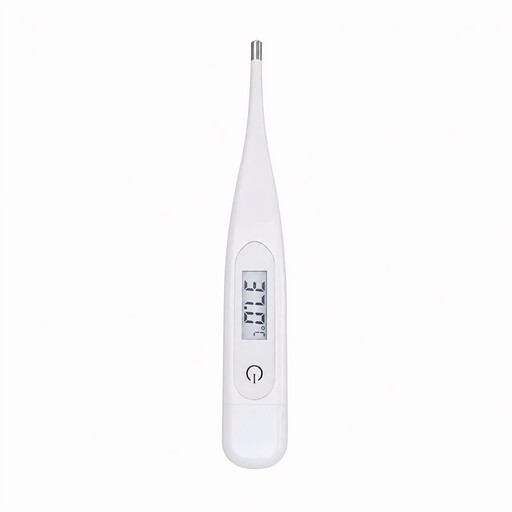
Why This Fits Their Persona: A straightforward pen-style choice for households wanting a compact home thermometer for adults, children and travel bags.
It does not rely on object-mode versatility; its stated 32.0°C–42.9°C display range is focused on human temperature readings.
Mercury-free design, 0.1°C display resolution, audible completion beep and °C/°F switching.
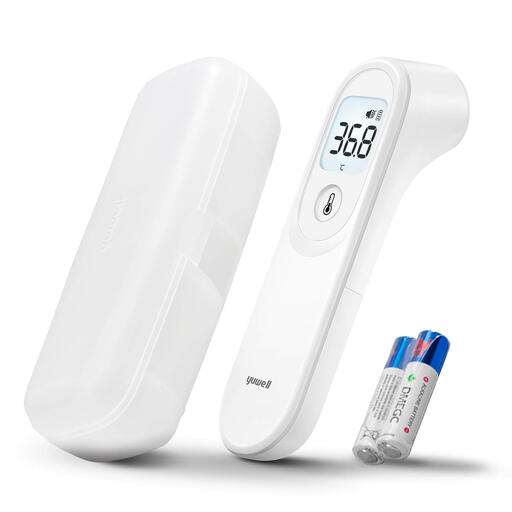
Why This Fits Their Persona: Suitable for families prioritising guided forehead positioning, quiet night-time checks and a large display.
A distance detection sensor helps guide placement, reducing guesswork when taking a non-contact forehead reading.
One-second operation, vibration reminder, mute mode, backlit screen and supplied carrying case.
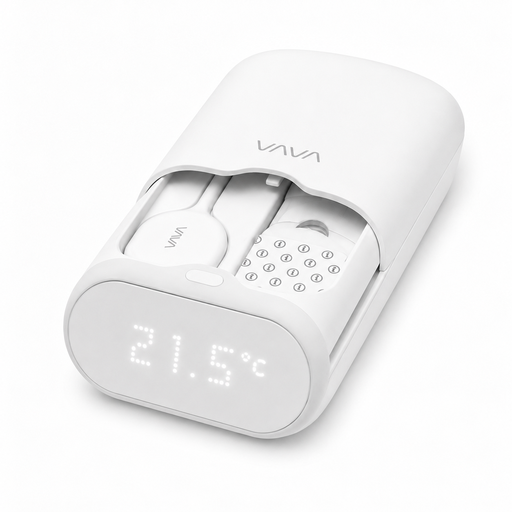
Why This Fits Their Persona: Designed for parents and carers who need ongoing underarm monitoring during naps, bedtime or overnight care.
It is not presented as a general-purpose food or surface thermometer; its reusable sensor and separate display focus on body-temperature monitoring.
Up to 24-hour sensor use, separate LED display, up to 15m wireless range and sound/light alerts.
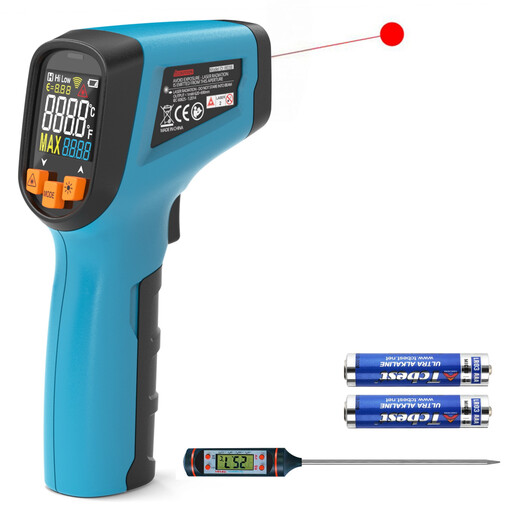
Why This Fits Their Persona: A practical option for measuring cooking surfaces, pizza ovens, barbecues, vehicles and workshop materials rather than human temperatures.
Its listing clearly states that it is not suitable for humans or animals, helping prevent the wrong purchase for fever checks.
-50°C to 600°C range, adjustable emissivity, 12:1 distance-to-spot ratio and an included meat thermometer.
We have compiled a complete, real-time list of products that fully satisfy these strict selection criteria and UK safety regulations.
A forehead thermometer can be convenient for a baby because it may allow a reading without waking or unsettling them. Use it exactly as instructed, keep the sensor at the specified distance and take another reading if the result appears unexpected. Seek appropriate healthcare advice if you are concerned about your baby’s condition.
Lifespan depends on battery care, cleaning, storage and frequency of use. Keep the device dry unless it is specifically waterproof, wipe the probe as instructed and replace batteries when indicated. A protective case can help prevent damage in a drawer or travel bag.
Most household models use AAA batteries, a small coin cell or rechargeable power. Running costs are generally limited to replacement batteries, charging electricity and, for wearable systems, any single-use adhesive patches. Check the package contents and replacement requirements before ordering.