
24/7 Customer Support

Free returns

Same-day & Next-day Delivery

Quality Guaranteed

Unlock Your Welcome Offers: FREE Delivery | Up to 80% OFF | Free 30-day JoyPlus trial
Download the APP
A digital thermometer can be a useful addition to a UK medicine cabinet, nursery, travel bag or kitchen drawer. However, choosing the right model is not simply a matter of picking the device with the fastest number on the packaging. A baby thermometer, forehead thermometer, ear thermometer and food thermometer are designed for different jobs.
The wrong purchase can lead to inconvenient readings, unnecessary replacement costs or a device that is difficult to use when your child is asleep. The following guide explains the main buying traps, the specifications worth checking and which types of thermometer suit different households.
A fast temperature reading is convenient, particularly with a restless baby or sleeping child. Yet speed alone does not confirm that a device is suitable for your intended use. Infrared thermometers can be affected by positioning, distance, sweat, draughts and recent activity.
Check whether the device offers forehead, ear or object modes, and read the instructions for the correct measuring distance. A fast result is useful only when the thermometer is used as directed.
A bath and room thermometer, food thermometer or pool thermometer may be suitable for water, air or food, but it is not automatically designed for human temperature checks. Similarly, an object mode on an infrared thermometer is intended for surfaces or liquids and should not be confused with a body measurement mode.
Before buying, confirm the measurement category and intended use. If you need a general household device, a model with separate body and object modes may offer more flexibility than a single-purpose product.
A low-priced thermometer may appear economical until the battery compartment, probe or accessories become awkward to maintain. For family use, consider whether the surface can be wiped clean, whether disposable probe covers are required and whether spare batteries are easy to find.
A storage case can also help protect the device in a busy household or travel bag. Keep all thermometers and button batteries away from children, and follow the manufacturer’s cleaning and storage instructions.
A traditional pen-style fever thermometer is generally compact and straightforward, with a probe used according to the manufacturer’s instructions. Infrared forehead and ear models offer quick readings without prolonged contact, which may be helpful for babies, children or adults who dislike conventional measurement.
A thermometer for adults and kids should have controls that are easy to understand, a readable screen and, ideally, a mute option for night-time use. If you are buying for a baby, check the recommended age range and whether the measuring method is appropriate for infants.
Multi-mode models can measure forehead or ear temperature and may also include an object setting for milk, food, bath water or room temperature. This can reduce the need to buy several separate devices, but you should still check the instructions for each mode.
Useful features include:
Look for clear manufacturer information, instructions in an understandable format and relevant conformity information for products sold in the UK. A CE mark or other regulatory marking should not be treated as a guarantee of a particular reading; it indicates that the product is presented as meeting applicable requirements.
For a device described as a medical thermometer, check the supplied documentation, responsible-party details and intended purpose. Measurements are for reference and should not replace professional medical advice. If someone appears seriously unwell or you are concerned about a temperature, seek appropriate NHS guidance.
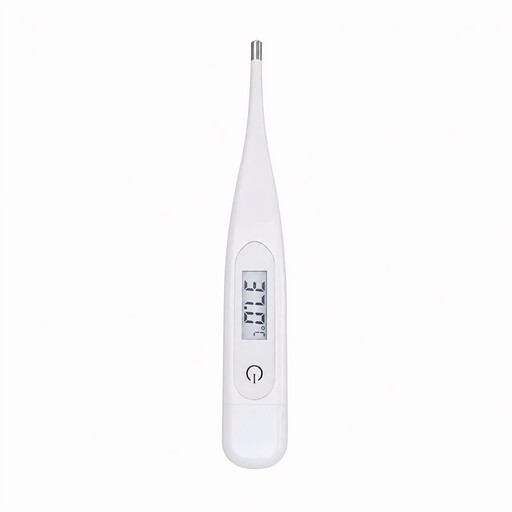
Why This Fits Their Persona: Its pen-style format is suitable for households wanting a compact, mercury-free body thermometer for a medicine cabinet or travel bag.
The measurement range, stated error margins and Celsius/Fahrenheit switch are listed clearly, rather than relying only on a speed claim.
Mercury-free design; 0.1°C display resolution; audible completion alert.
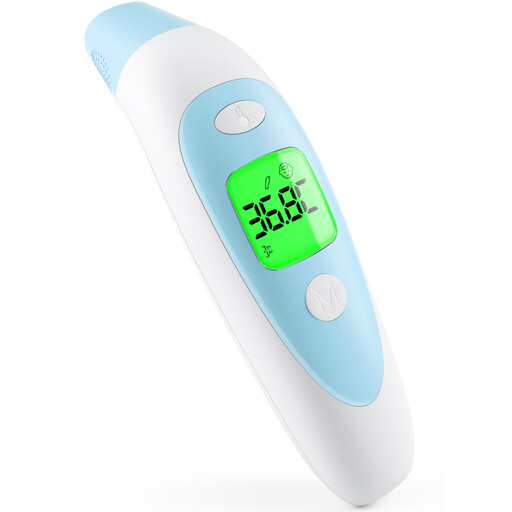
Why This Fits Their Persona: Families wanting one device for children, adults and everyday object checks may appreciate its three selectable modes.
The listing separates ear, forehead and object temperature readings, helping shoppers avoid confusing a household object measurement with a body reading.
Forehead, ear and object modes; 32-reading memory; silent mode and carrying case.
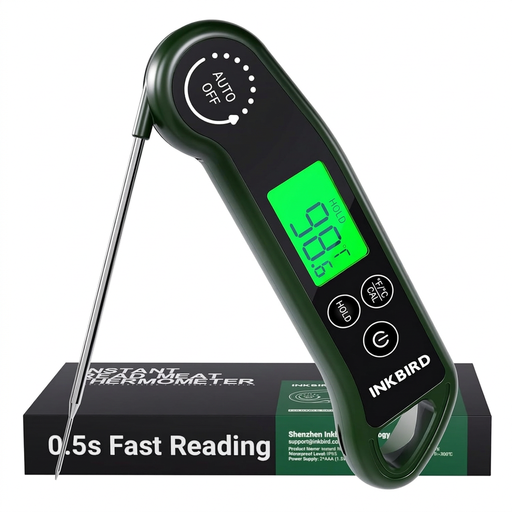
Why This Fits Their Persona: A practical choice for cooks who need a dedicated food thermometer for grilling, roasting or checking prepared food.
It is presented as a meat thermometer, so its kitchen purpose is clearer than that of a multi-mode body thermometer.
K-sensor probe; LCD screen; designed for grilling and roasting applications.
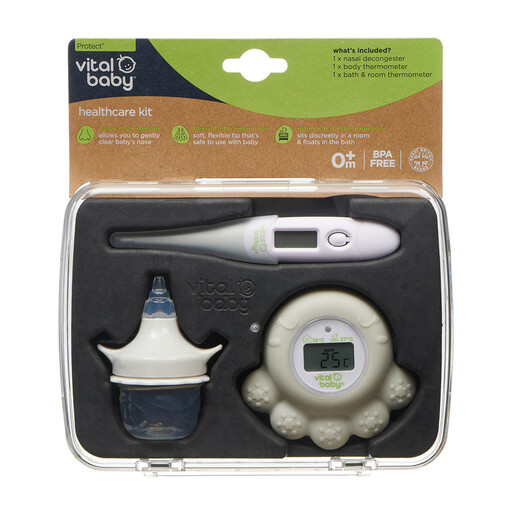
Why This Fits Their Persona: Parents preparing a nursery may prefer a kit that combines a body thermometer with a bath and room thermometer and other baby-care items.
The kit distinguishes body monitoring from bath and room temperature checks, while its instructions state that bath readings should also be checked manually.
Includes three healthcare tools; waterproof room and bath thermometer; storage case.
We have compiled a complete, real-time list of products that fully meet these strict selection criteria and UK safety regulations.
There is no single lifespan for every model. Battery condition, cleaning, storage and frequency of use all matter. A pen-style thermometer may remain useful for years if the probe and display continue to work, while infrared models require more care around the sensor. Check the warranty, support information and battery type before purchasing.
A forehead thermometer can be convenient for a baby because it provides a quick reading without prolonged contact. Correct positioning is important, and readings can vary if the child is sweaty, moving or exposed to a cold room. Follow the instructions and seek medical advice if your baby appears unwell or you remain concerned.
Most household models use small batteries and consume little power during normal use. Features such as automatic shut-off, mute mode and readily available AAA or button-cell batteries can make ongoing ownership more convenient. Remove or replace batteries according to the manufacturer’s guidance if the device will be stored for a long period.