
24/7 Customer Support

Free returns

Same-day & Next-day Delivery

Quality Guaranteed

Unlock Your Welcome Offers: FREE Delivery | Up to 80% OFF | Free 30-day JoyPlus trial
Download the APP
A dining bench is a wonderfully versatile piece of furniture. It can transform a dining area by saving space, adding a touch of modern style and offering flexible seating for family and guests. However, with so many options available, from rustic wooden designs to sleek upholstered models, choosing the right one can feel overwhelming.
As the Joybuy Product Recommendation Officer, my role is to help you navigate these choices. This guide will walk you through the key factors to consider when selecting a dining bench and present a few carefully chosen recommendations that balance style, durability and practicality for UK homes.
Before you start browsing, a little planning can ensure you find a bench that not only looks great but also fits your space and lifestyle perfectly.
The material of your bench defines its look, feel and durability. A solid wood bench offers a timeless, sturdy option that can withstand the rigours of daily family life. Finishes can range from light oak for a Scandinavian feel to a darker, rustic bench seat for a more traditional or industrial look.
For those who prioritise comfort during long, leisurely meals, an upholstered bench is an excellent choice. Covered in durable fabric, it provides a softer seating experience. Alternatively, an industrial bench, often combining a wooden top with a metal frame, brings a contemporary, urban edge to a room.
The most important step is to ensure your new bench fits your dining table and your room. A general rule is to choose a bench that is at least 15-30cm shorter than the length of your table. This allows the bench to be tucked neatly underneath when not in use—a key space-saving feature, especially for a backless bench.
Also, pay close attention to the placement of your table legs. You need to ensure the bench can slide in without being obstructed. Measure the distance between the table legs, not just the overall tabletop length, to guarantee a perfect fit.
Think beyond the dining room. A well-chosen bench can serve multiple purposes throughout your home. Its slim profile makes it an ideal entryway bench, providing a convenient spot to sit while putting on shoes. It can also work beautifully at the foot of a bed, as a kitchen bench for a breakfast nook or even as a plant stand or display surface in a hallway.
Here are a few recommendations from our current collection, selected for their design, functionality and positive user feedback.
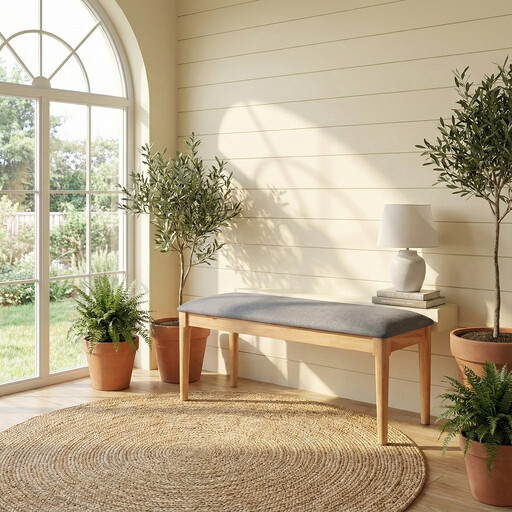
Why It Stands Out: The Orlando bench combines the warmth of solid wood with the comfort of an upholstered seat. Its clean lines, light oak finish and subtly tapered legs create a modern dining bench aesthetic that fits seamlessly into contemporary or Scandinavian-inspired interiors.
Pros:
Who is it for?: Homeowners seeking a comfortable and stylish seating solution that complements a modern, minimalist or Scandi decor. It is particularly well-suited for families who enjoy longer mealtimes together.
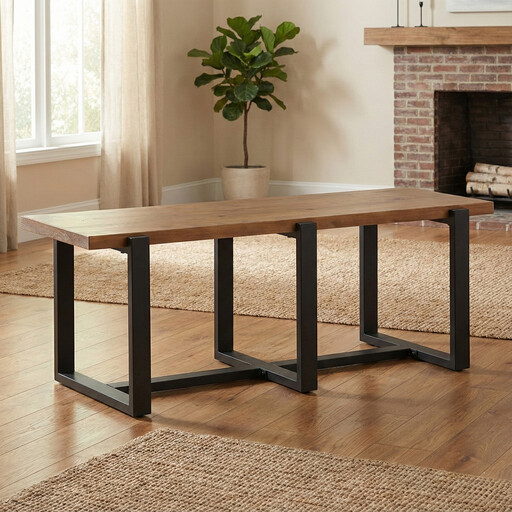
Why It Stands Out: This bench makes a statement with its bold industrial bench design. The contrast between the thick, rustic pine top and the strong, geometric black metal base creates a look that is both rugged and sophisticated.
Pros:
Who is it for?: Anyone looking to add an industrial or modern rustic touch to their dining space. It’s a strong, durable choice that pairs perfectly with reclaimed wood or metal-accented furniture.
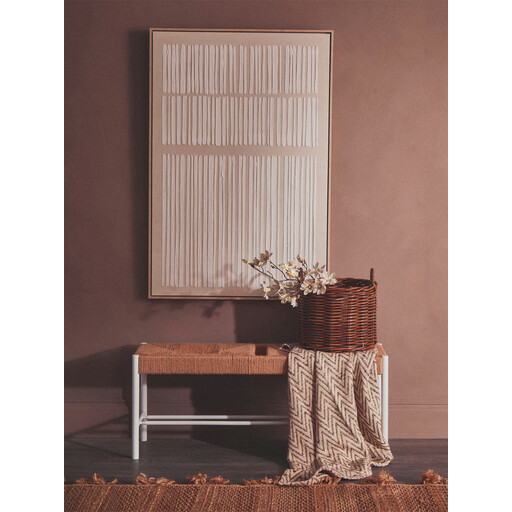
Why It Stands Out: The Bandar bench is a celebration of natural materials and craftsmanship. Its seat is intricately handwoven from 100% natural hemp rope, creating a beautiful geometric pattern that is both visually striking and durable. The solid beech wood frame provides a clean, modern counterpoint.
Pros:
Who is it for?: Those who appreciate natural textures and handcrafted details. This bench is an excellent fit for bohemian, Japandi or coastal-inspired interiors, adding a layer of organic sophistication.
If you are drawn to the enduring appeal of a wooden dining bench, there are many more styles and finishes to discover. From classic farmhouse designs to sleek, modern interpretations, the right wooden bench can anchor your dining space for years to come.
Explore our curated collection to find more options: Oak dining benches.
1. What size dining bench do I need for my table? As a guideline, your bench should be slightly shorter than your dining table to allow it to be stored neatly underneath. Measure the length between your table's legs, not just the tabletop, to ensure a clear fit. A backless bench is the most practical choice for tucking away.
2. Can a dining bench be used in other rooms? Absolutely. Their slim and versatile design makes them a popular choice for many areas of the home. A dining bench can function perfectly as an entryway bench for putting on shoes, as seating in a bay window or as a stylish surface at the foot of a bed.
3. Are dining benches comfortable for long periods? Comfort depends on the design. An upholstered bench will naturally offer more cushioning for extended sitting. For a solid wood bench, you can easily add comfort and a pop of colour with custom-sized bench cushions or a collection of individual seat pads.