Hosts cooking with butter
If recipes call for regular butter in sauces, baking or finished dishes, work out how much they require before choosing a pack. ASDA Groceries lists 500g Asda and Kerrygold salted blocks made from butter and salt.


For recipes calling for regular butter, choose a butter-and-salt block; for bread served straight from the fridge, consider a spreadable blend instead. A menu needing both may call for separate packs, but check the quantities against your recipes and guest count. The butter and spreadable examples discussed here contain milk.
The menu determines whether a block, a spreadable tub or both belong on the shopping list.
If recipes call for regular butter in sauces, baking or finished dishes, work out how much they require before choosing a pack. ASDA Groceries lists 500g Asda and Kerrygold salted blocks made from butter and salt.
A spreadable tub is worth considering when guests will serve themselves straight from the fridge. Tesco Groceries lists 500g Lurpak and 750g Anchor options; their blended formulations differ from a plain butter block.
The Asda, Kerrygold, Lurpak and Sainsbury's products discussed here contain milk. Check the label on the pack you buy and arrange a separately labelled dairy-free option if a guest needs one.
Start with how the butter will be used, then match the pack size to the menu and check its ingredients and storage directions.
| Priority | What to check | Your needs |
|---|---|---|
| Cooking format | Check whether the recipe specifies regular butter. ASDA Groceries lists its 500g salted block as butter and salt; Anchor recommends its regular block rather than its spreadable blend for cooking. | My recipes call for butter, so I need to keep a butter-and-oil spread separate unless a recipe allows that substitution. |
| Table service | Check the product description and ingredients if guests will spread it straight from the fridge. Tesco Groceries describes Lurpak Spreadable 500g as a blend containing milk fat and rapeseed oil. | Bread or rolls will be on the table, and I want guests to be able to serve themselves without waiting for a block to soften. |
| Pack quantity | Add up the amounts specified in the recipes and allow separately for table service. The documented options include 500g blocks and spreadable packs, plus an Anchor 750g spreadable pack listed by Tesco Groceries. | I need enough for both the dishes and the bread basket, without assuming that one 500g pack will cover every menu. |
| Ingredients and milk | Read the physical pack's ingredient and allergen information. The butter blocks and spreadable blends discussed here contain milk; a spreadable blend may also contain vegetable oil. | A guest needs a dairy-free option, so I must choose a separately labelled product for them rather than rely on the word “spreadable”. |
| Dates and storage | Check the date and refrigeration instructions on the pack. Follow any product-specific freezing directions rather than assuming every format can be stored in the same way. | Some of the pack may remain after the dinner party, so I want storage instructions that fit how I plan to use the rest. |
Tesco Groceries describes Lurpak Spreadable as containing milk fat and rapeseed oil, while ASDA Groceries lists its salted block as butter and salt. That ingredient difference matters when a recipe calls specifically for butter.
Read the ingredients before using a spreadable tub in a recipe. Anchor recommends its regular block butter for cooking; keep the tub for bread service unless your recipe permits the blend.
The Asda and Kerrygold blocks and the Lurpak and Sainsbury's spreads discussed here contain milk. A dairy-free guest therefore needs a different product.
Ask about dietary requirements before shopping and check the physical labels of both the butter and any separately chosen alternative.
A pack left over after the event still needs to be stored according to its label. GOV.UK distinguishes best-before dates, which concern quality, from use-by dates, which concern safety.
Check the date on the pack you buy, follow its refrigeration directions and freeze it only where its instructions permit.
These examples show why the format and ingredients on a particular pack matter more than the brand name alone.
The Lurpak Spreadable Slightly Salted 500g pack is a blended table-spread option listed by Tesco Groceries.
Anchor has a 750g Original Spreadable option for table service.
Kerrygold Salted Pure Irish Butter 500g is a block option listed by ASDA Groceries.
Tesco Groceries provides product listings for branded spreadable packs in different sizes.
Sainsbury's Buttersoft Spreadable 500g is an own-label blended spread.
ASDA Groceries lists both a 500g salted butter block and a 500g slightly salted spreadable product.
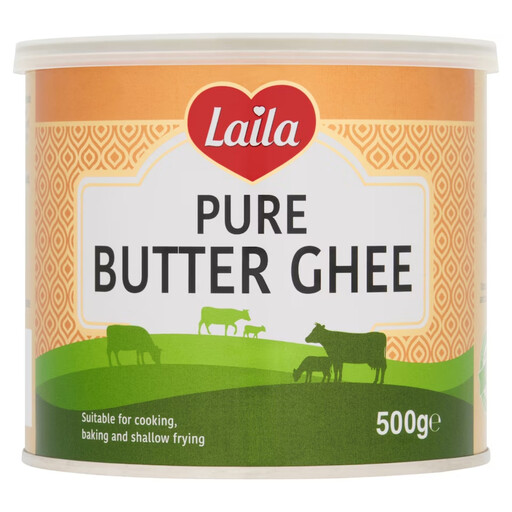
This 500g ghee is a butter-derived option for a menu that specifically calls for ghee. It is not a conventional butter block or a spreadable tub, so check the recipe before treating it as a substitute for either.
 No image available
For dinner-party cooking that calls for ghee, this is a 500g pack. It contains milk; check the recipe before substituting it for regular butter, and do not assume it is suitable for spreading on bread.
Choose a block when recipes call for regular butter, and consider a spreadable tub when guests will serve themselves bread straight from the fridge. The Asda and Kerrygold blocks listed by ASDA Groceries contain butter and salt; the spreadable examples include blended ingredients, and Anchor recommends its regular block for cooking.
That depends on the quantities in your recipes, the number of guests and whether butter is needed at the table as well as in cooking. Add up those uses before buying; if both formats matter, a separate block and spreadable tub lets you keep the cooking quantity apart from the bread service.
No. The Asda, Kerrygold, Lurpak and Sainsbury's examples discussed here contain milk. Check the physical label of any pack you buy and choose a separately labelled dairy-free product for a guest who needs one.
Read the date and storage instructions on the actual pack, especially if you expect leftovers. GOV.UK explains that best-before dates concern quality whereas use-by dates concern safety; follow the product's refrigeration and any stated freezing directions.