Hosts serving drinkers and non-drinkers
Plan a distinct alcohol-free serve alongside other drinks, and keep its ingredients identifiable when preparing both versions.


Choose the base and mixer together: a soft-drink mixer does not make a drink alcohol-free if another ingredient contains alcohol. For guests avoiding alcohol, check the ABV of every component and keep that serve distinct; for guests moderating, a lower-alcohol base may suit, while tonic, soda, ginger and flavoured mixers offer different tastes. Check sugar, sweeteners and other ingredients on the particular mixer you buy.
A dinner-party selection works better when it accounts separately for alcohol, flavour and ingredient preferences.
Plan a distinct alcohol-free serve alongside other drinks, and keep its ingredients identifiable when preparing both versions.
A lower-alcohol option may suit someone reducing their intake, but it is not interchangeable with a drink for someone avoiding alcohol. Check the ABV of the completed serve.
Offer a choice beyond one mixer style, and check the particular product’s sugar, sweeteners and ingredients before serving it to a guest with a relevant preference.
Decide whether each serve is intended to avoid alcohol or reduce it, then choose mixers by flavour and label details.
Choose when: A guest wants to avoid alcohol; check the base, mixer and every addition against their requirements.
Bear in mind: An alcohol-free recipe needs its own checked ingredients, not merely a soft-drink mixer added to a standard-strength base.
Choose when: A guest wants to moderate rather than avoid alcohol. UK Department of Health and Social Care guidance describes low-alcohol drinks as no more than 1.2% ABV.
Bear in mind: Low alcohol can still mean some alcohol; using the drink instead of a regular-strength serve differs from adding it alongside one.
| Priority | What to check | Your needs |
|---|---|---|
| Alcohol in the serve | Read the ABV on the base and any premix, aperitif or other addition. Check each component when preparing an alcohol-free version; a mixer’s nutrition wording says nothing about the finished drink’s ABV. | If I am serving someone who avoids alcohol, I want to know exactly what goes into their glass. If I am offering moderation, I need to distinguish a low-alcohol drink from an alcohol-free one. |
| Flavour | Choose between relatively neutral soda, bitter tonic and ginger or flavoured mixers. Check that the flavour works with the chosen base or as a drink on its own. | Some guests may prefer a plain sparkling drink; others may want bitterness or ginger flavour without adding a standard-strength spirit. |
| Sugar and ingredients | Compare the nutrition panel per 100 ml and the amount you intend to pour. Read the ingredients for sugar, sweeteners and quinine where relevant. | I want to offer a choice that fits guests’ ingredient preferences without assuming that “light” means sugar-free or alcohol-free. |
| Serving format | Check the number and size of cans or bottles against the drinks you plan to make. Consider how many different mixers you will open at once. | For a small gathering, I would rather offer a few distinct styles than open large bottles of every flavour. |
Those words do not establish the ABV of a drink made with a spirit, aperitif or premix. A low-alcohol base also does not establish its sugar content.
Check ABV separately from nutrition, including every addition to a serve intended for a guest avoiding alcohol.
Plain soda, bitter tonic and ginger or flavoured mixers give guests different ways to enjoy an alcohol-free base or a mixer on its own.
Choose a small selection of contrasting styles rather than relying on one mixer to suit everyone.
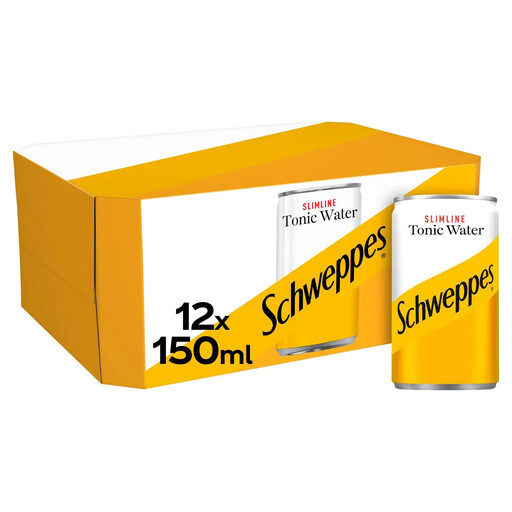
Sainsbury’s lists quinine and aspartame in Schweppes Slimline Tonic Water and shows a phenylalanine notice. A no-sugar label does not describe every ingredient preference.
Keep the packaging available for guests to check, and offer another mixer where appropriate.
Opened carbonated mixers can lose their fizz before they are finished.
Plan the styles and quantities around the intended serves; smaller cans or bottles may make it easier to open one flavour at a time.
These brand and retailer references illustrate mixer styles and product information to check; they are separate from the Joybuy products below.
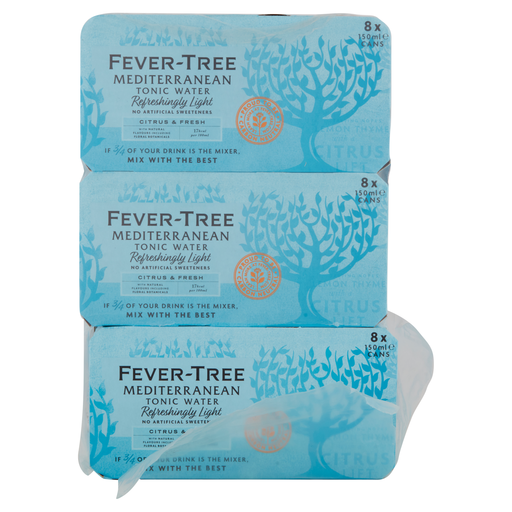
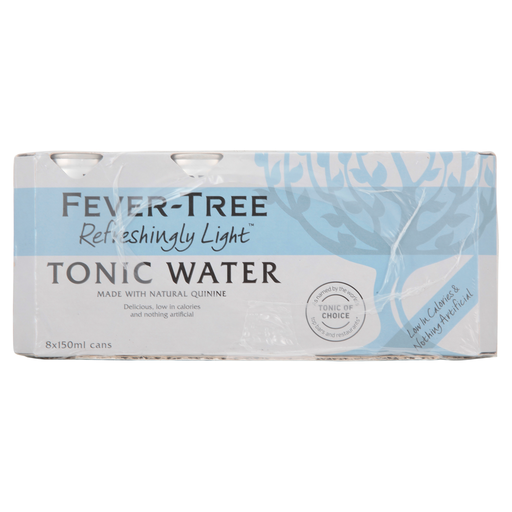
Fever-Tree’s tonic range includes Indian, Mediterranean, aromatic and flavoured options, as well as Refreshingly Light variants.
Schweppes Slimline Tonic Water is a no-sugar tonic option, distinct from plain soda water.
Fentimans lists tonic, ginger ale, ginger beer and soda water among its mixers.
Britvic’s 2016 mixer announcement described tonic, low-calorie tonic, ginger ale and soda in small-format bottles and cans.
Tesco’s low-calorie mixer listings include own-label tonic, ginger ale and soda options alongside branded products.
Sainsbury’s product information for Schweppes Slimline Tonic Water includes ingredients and nutrition.
These tonic, ginger ale and elderflower options offer different flavours and pack formats for dinner-party serves. Choose the base separately, and check the label of every ingredient when alcohol content or dietary details matter.
 No image available
A tonic option for individual dinner-party pours. The pack contains twelve 150 ml cans; check the purchased pack’s ingredients and nutrition information for guests with particular preferences.
 No image available
A Mediterranean-style tonic for a flavoured alternative to plain soda. The pack contains eight 150 ml cans; check its nutrition and ingredients rather than taking “Light” to mean sugar-free.
 No image available
A tonic choice in individual 150 ml cans for guests who prefer that mixer style. The pack contains eight cans; check the label for sugar and ingredients if those details affect your selection.
 No image available
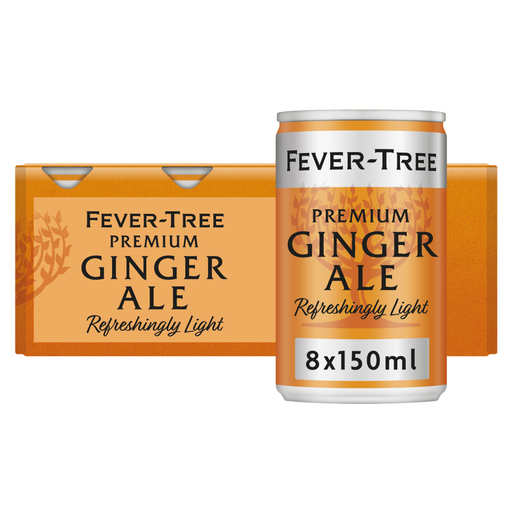
A ginger ale option when guests would prefer ginger flavour to tonic. The pack contains eight 150 ml cans; check the label for sugar and other ingredients.
 No image available
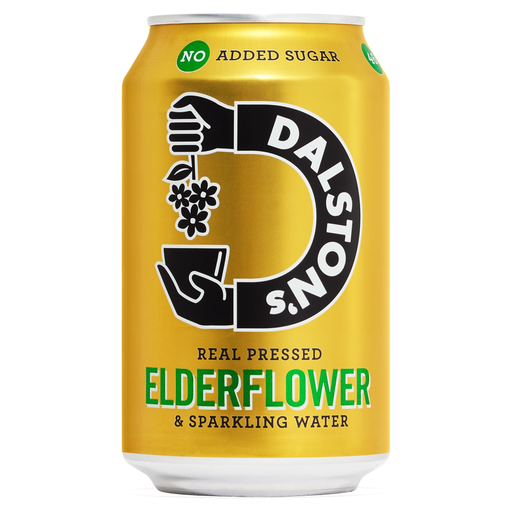
An elderflower-flavoured sparkling option that can be considered alongside tonic and ginger ale. The stated size is 330 ml; check the listing for the pack quantity and the can for ingredients and nutrition.
No. The finished drink depends on its base and every addition, not just the mixer. UK Department of Health and Social Care guidance describes low-alcohol drinks as no more than 1.2% ABV; check the labelled ABV of ingredients rather than assuming that tonic, soda or ginger ale removes alcohol.
Prepare a separate serve using ingredients checked against that guest’s requirements, including the base, mixer and any flavouring. Do not substitute a low-alcohol product without checking: it can still contain alcohol.
No. Calorie and sugar information describes nutrition, while ABV describes alcohol content. Check both the mixer’s nutrition label and the ABV of anything added to it.
Read the label of the exact mixer you will serve and offer a checked alternative. Sainsbury’s lists quinine and aspartame in its Schweppes Slimline Tonic Water product information, so a “slimline” name alone is not enough to establish ingredient suitability.
Choose a manageable range with distinct tastes, such as soda, tonic and a ginger or flavoured option, according to the serves you plan. Check pack sizes before buying so you can offer variety without opening more carbonated drinks than the group is likely to finish.