
24/7 Customer Support

Free returns

Same-day & Next-day Delivery

Quality Guaranteed

Unlock Your Welcome Offers: FREE Delivery | Up to 80% OFF | Free 30-day JoyPlus trial
Download the APP
Choosing dinner plates and serving platters is not simply a matter of picking a colour or the largest pack. The right option depends on food type, guest numbers, storage, cleaning facilities and whether the tableware will be used indoors, outdoors or for catering.
Marketing descriptions can also hide practical limitations. A plate described as “sturdy” may still be unsuitable for hot liquids, while a product labelled “eco-friendly” may not be accepted by your local recycling or composting service. Before buying disposable dinner plates, reusable serving platters or bulk plates, check the details below.
A 9-inch plate may suit a standard main meal, but it is not automatically suitable for large portions or saucy buffet food. Similarly, a wide platter may have little depth, allowing food to slide during transport.
Look for the diameter or dimensions, plus the depth where provided. A 7-inch plate is more appropriate for appetisers, desserts or children’s portions, while a 10-inch plate gives more room for a full serving.
Paper plates can be convenient for parties, schools and offices, but performance depends on construction and the food being served. Product information may warn against hot liquids, very oily food or prolonged moisture exposure. Paper plates should also be kept away from open flames and should not be placed in ovens or microwaves unless the instructions specifically allow it.
For chilli, pasta sauces or juicy foods, consider leak-resistant bamboo fibre plates or a suitable foil option. Always follow the individual product guidance rather than relying on a general material label.
Terms such as recyclable, compostable and renewable do not mean the same thing. Local council facilities differ, and food contamination, coatings or mixed materials can affect acceptance. A product may be recyclable in principle but unsuitable for a particular kerbside collection.
Check the packaging and your local council guidance. For reusable items, consider whether you genuinely have the washing and storage capacity needed after a large event.
For a buffet, rectangular catering platters can make it easier to arrange sandwiches, roast meats, pastries or fruit in sections. Round plates are practical for individual portions, while square party plates offer a more contemporary table setting.
Useful reference points from the available range include:
Calculate the number of guests, then allow a margin for seconds, dropped plates and separate dessert servings. Packs of 8 may suit a small party, whereas bulk plates are more practical for catering, community events, food trucks or school functions.
Nesting and stackability also matter. Disposable paper plates and foil platters generally occupy little cupboard space, while stainless steel plates may require more room but can be used repeatedly.
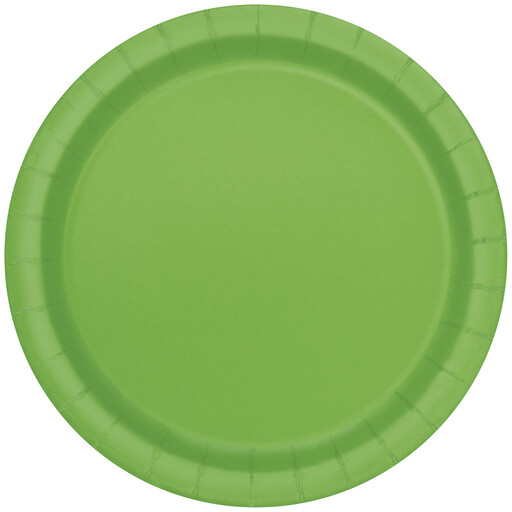
Why This Fits Their Persona: A compact pack for small gatherings, birthdays, gaming events or themed celebrations where colour and quick clearing-up are priorities.
The listed 9-inch diameter and paperboard construction make the intended portion size clear. It is not presented as suitable for microwaves or hot liquids.
Pack of 8; lightweight, stackable and available in a bright lime green colour for themed tables.

Why This Fits Their Persona: Suitable for shoppers prioritising a reusable metal plate for regular household meals, steaming and outdoor use.
The material and 24cm size are specified, while care guidance advises soft sponges and avoidance of abrasive pads.
304 stainless steel; listed as dishwasher-safe and compatible with ovens, steam ovens and induction cookers.

Why This Fits Their Persona: The 100-pack suits caterers, camping groups, offices, schools and organisers serving many guests.
The pack quantity and 7-inch diameter are clearly stated, avoiding confusion between bulk volume and full-size dinner portions.
Bamboo fibre material; listed as leak-resistant and microwave-safe for reheating when used according to guidance.
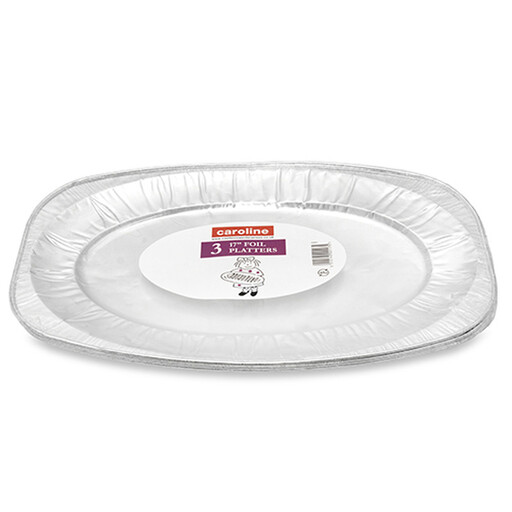
Why This Fits Their Persona: A practical format for barbecues, office lunches, weddings, community events and buffet serving trays where food presentation and transport matter.
The stated 430 x 286mm size and 30mm depth give a clearer indication of usable capacity than a vague “large” description.
Pack of 3; suitable for hot or cold food display and designed to nest for storage.
We have compiled a complete, real-time list of products that fully satisfy these strict selection criteria and UK safety regulations.
Some paper plates can hold warm food, but product instructions vary. Avoid hot liquids, very oily meals and extended moisture exposure unless the packaging specifically confirms suitability. Paper plates should not be used in ovens, toasters or near open flames.
For a seated meal, allow at least one dinner plate per guest, plus extras for accidents and seconds. Add smaller plates for desserts if required. For a buffet, estimate one plate per guest per course, then select serving platters based on the quantity and weight of food. Larger dishes may need support underneath during transport.
No. A bamboo fibre product may be listed as compostable or recyclable under particular conditions, but acceptance depends on local facilities and contamination rules. Check the product information and your council’s disposal guidance before placing used plates in a recycling or food-waste collection.