
24/7 Customer Support

Free returns

Same-day & Next-day Delivery

Quality Guaranteed

Unlock Your Welcome Offers: FREE Delivery | Up to 80% OFF | Free 30-day JoyPlus trial
Download the APP
Choosing dipping sauces can seem straightforward until you compare bottles, jars and pouches with very different ingredients, heat levels and storage requirements. A sauce that works beautifully with spring rolls may overpower chips, while a mild salsa might be too gentle for someone seeking a serious chilli kick.
For UK households, the most useful approach is to look beyond front-of-pack descriptions. Check the ingredient list, intended use, allergens and after-opening instructions before adding a product to your basket.
Words such as “hot”, “fiery” or “spicy” do not provide a consistent measure of heat. A sweet chilli sauce may offer mild warmth balanced by a high sugar content, whereas a ghost chilli sriracha can be intensely hot in a small 100ml bottle.
If you prefer manageable heat, consider a tomato-based salsa, Thai sweet chilli sauce or garlic chilli sauce. For stronger flavours, products such as Sichuan sauce, sambal chilli or specialist sriracha may be more suitable. Start with a small amount when trying a new spicy dipping sauce.
Some products are formulated primarily for dipping, while others work better as marinades and cooking sauces. A thick sambal can cling to grilled food and noodles, but may need mixing into a dish rather than pouring freely. Conversely, a lighter Thai dipping sauce can dress seafood, salads or cooked vegetables without heating.
Check whether the packaging recommends the sauce for dipping, spreading, marinating, stir-frying or topping. This helps prevent buying a large jar that only suits one occasional meal.
Ready-to-use condiments still need careful storage. Many products require refrigeration after opening and should be consumed within a stated period. Some chilled or frozen dips have different handling requirements from ambient jars.
Always review allergens in bold on the current packaging. Examples in this selection include mustard and celery, soy, sesame and peanuts, egg, milk and barley, and crustaceans. Recipes can change, so the label remains the practical reference for each purchase.
A squeeze bottle is useful for controlled serving, while a jar may be more practical for spooning out thick dips or sharing at the table.
Nutrition panels make different formats easier to compare. For example, Mae Pranom Sweet Chilli Sauce lists 35g sugars per 100g, while Healthy Boy Thai Spicy Dipping Sauce lists 32.6g. RISHIJI Sichuan Peppercorn & Small Seafood-Flavoured Dipping Sauce lists 9g salt per 100g, making portion size particularly important.
These figures do not determine whether a sauce suits your taste, but they help you choose sensibly for regular use. A spoonful used as a flavour accent may be sufficient for a meal.
Vegetarian dips can work well for parties where guests have different preferences. Doritos salsa dips are labelled suitable for vegetarians, while Mr Organic Organic Butter Bean & Yellow Pepper Antipasti Dip is described as suitable for plant-based diets. By contrast, Prima Taste Sambal Chilli contains shrimp paste, so it is not suitable for those avoiding crustaceans.
For Japanese dishes, Japanese mayonnaise such as Kewpie or Kenko offers a rich, egg-yolk-based texture for sushi, fries, sandwiches and savoury pancakes. For Mexican-style serving, pair hot salsa dip, mild salsa or nacho cheese dip with tortilla chips, vegetable sticks and tacos.
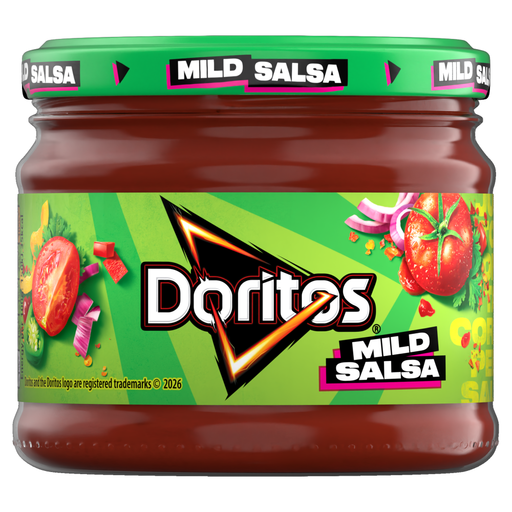
Why This Fits Their Persona: A 300g sharing jar suits film nights, casual gatherings and family snack plates without requiring preparation.
The mild profile makes its heat level easier to approach than an intensely hot chilli sauce, while the jar is clearly intended for immediate dipping.
Tomato purée, chopped tomatoes, onions, peppers and jalapeños; suitable for vegetarians and ready to serve chilled.

Why This Fits Their Persona: Its squeeze format and egg-yolk mayonnaise style suit shoppers who want a distinctive Japanese condiment for several dishes.
The stated ingredients and allergen information make it easier to distinguish this product from standard mayonnaise or dairy-based dips.
Made with pasteurised egg yolk; suitable for dipping, spreading, seasoning and mixing. Contains egg, soy, barley and mustard.
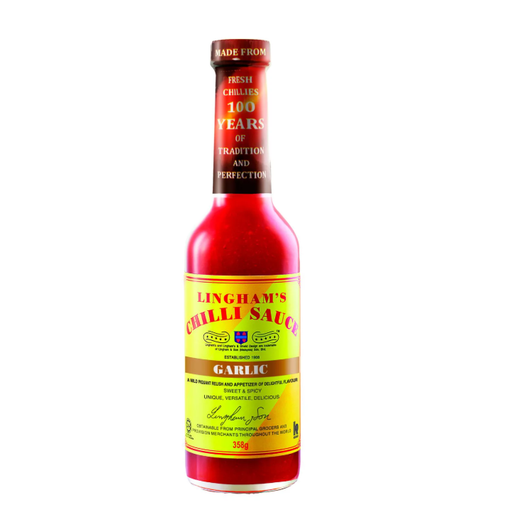
Why This Fits Their Persona: A 280g bottle is practical for regular use in marinades, stir-fries, noodle dishes, rice bowls and dipping plates.
It has a clearly defined garlic-and-chilli profile, avoiding vague “spicy” positioning when you want savoury heat and aromatic flavour.
Contains red chillies and 10% garlic; ready to use as a dip, spread, stir-fry ingredient or marinade base.
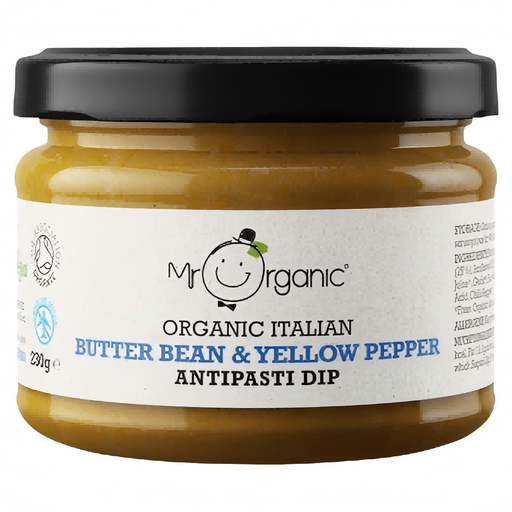
Why This Fits Their Persona: Its sharing-size jar gives guests a creamy alternative to chilli sauces for crisps, vegetable sticks, sandwiches and platters.
The product information identifies its plant-based suitability and main ingredients, rather than relying only on a general “healthy” impression.
Made with 50% butter beans and 25% grilled yellow peppers; organic ingredients and a reusable, recyclable glass jar.
We have compiled a complete, real-time list of products that fully satisfy these strict selection criteria and UK safety regulations.
Choose a product with a practical sharing size and a flavour that suits several guests. Mild salsa, hot salsa, nacho cheese dip and vegetarian dips are flexible choices for tortilla chips, crisps and vegetable sticks. Offer a separate spicy dipping sauce for guests who prefer stronger heat.
This depends on the product. Some salsa dips recommend refrigeration and consumption within three days, while Kewpie mayonnaise advises refrigeration and use within one month. Other sauces give a different period, such as four weeks for Prima Taste Sambal Chilli or 60 days for a wasabi sriracha product. Follow the current packaging instructions and use clean serving utensils.
Many are. Garlic chilli sauce, sambal chilli, sriracha sauce and ABC Original Chilli Sauce can be added to marinades, stir-fries, noodles or rice. Start with a small quantity, especially when using an intensely hot product, then adjust the flavour gradually.