
24/7 Customer Support

Free returns

Same-day & Next-day Delivery

Quality Guaranteed

Unlock Your Welcome Offers: FREE Delivery | Up to 80% OFF | Free 30-day JoyPlus trial
Download the APP
A tidy kitchen often starts at the sink. Yet, for many of us, this area quickly becomes a cluttered collection of wet plates, precariously balanced mugs and damp tea towels. A well-chosen dish drying rack can transform this space, bringing order and efficiency to your daily routine. But with so many options available, finding the right one can feel like a chore in itself.
As a Joybuy Product Recommendation Officer, my role is to help you navigate the choices. This guide cuts through the clutter, focusing on practical features to help you find a dish drainer that fits your kitchen and your lifestyle.
Choosing a dish rack isn't just about looks. Functionality is paramount. Here are a few key points to consider to ensure you get a model that works for you.
The material of your dish rack directly impacts its longevity and maintenance. A stainless steel dish rack is a popular choice in UK households for its resistance to rust and corrosion, a common issue in a damp sink environment. They are also sturdy and relatively easy to wipe clean. Plastic models can be lighter and come in various colours, but it's important to check they are made from durable, food-safe materials.
Before you start browsing, measure the worktop space you have available next to your sink. This will determine the footprint of the rack you can accommodate.
The primary job of a dish drainer is to help dishes dry while keeping your worktop clean and dry. A dish drainer with tray is essential for this. The most effective designs feature a drip tray that is either sloped or has a spout to channel water directly back into the sink. This prevents water from pooling, which can lead to limescale buildup and water marks on your worktop. A removable tray also makes cleaning much simpler.
Based on these practical considerations, here are a few recommendations that stand out for their design and functionality.

Why It Stands Out: This rack’s main appeal is its simplicity and immediate usability. The integrated, no-assembly design means it’s ready to use straight from the box. Its rotatable drainage spout is a clever feature, allowing you to position the rack flexibly while ensuring water drains directly into the sink.
Pros:
Who is it for? This is a great option for individuals or small families who want a functional, low-maintenance plate rack for the sink area that works effectively without any fuss.
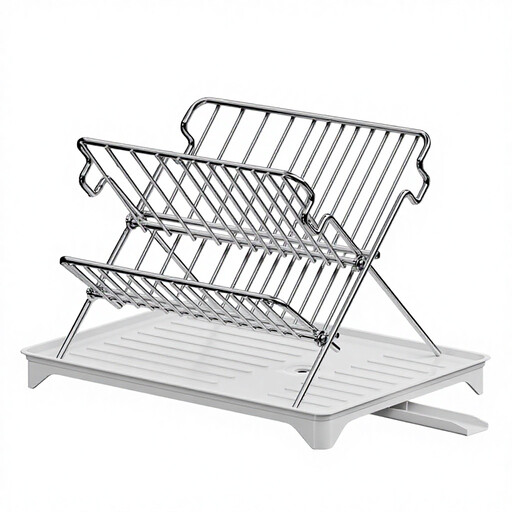
Why It Stands Out: This model combines high capacity with smart storage. As a 2 tier dish drainer, it offers ample room for a full load of dishes, while its foldable design makes it a brilliant collapsible dish drainer for those who need to reclaim their worktop space between uses.
Pros:
Who is it for? Perfect for households that need a large-capacity drainer but have limited worktop space, or for anyone who appreciates the option to store their dish rack away.
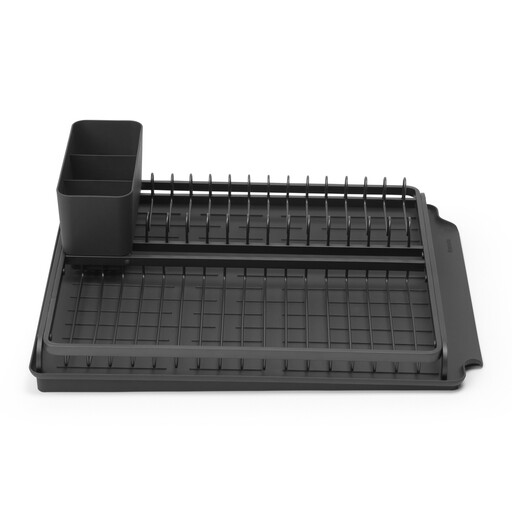
Why It Stands Out: Brabantia is known for combining sleek design with practical engineering, and this dish rack is no exception. Its sloping drip tray is highly effective at preventing water pooling, and thoughtful details like silicone caps protect your dishes from scratches.
Pros:
Who is it for? Those who appreciate modern design and clever functional details, and are looking for a durable, stylish addition to their kitchen worktop.
If these models aren't quite what you're looking for, don't worry. Every kitchen has unique needs, and the right solution is out there.
Explore our complete collection of kitchen drying racks to browse a wider variety of sizes, materials and designs to find the perfect fit for your home.
How do I stop my dish rack from getting rusty? The most effective way is to choose a rack made from corrosion-resistant materials, such as a good quality stainless steel dish rack. Regular cleaning also helps. Wiping down the frame and cleaning the drip tray weekly prevents mineral and soap scum buildup, which can trap moisture and contribute to corrosion over time.
What is the most hygienic way to dry dishes? Air drying dishes on a clean, well-ventilated dish rack is generally considered more hygienic than towel drying. Tea towels can harbour bacteria if not washed frequently. A dish rack allows air to circulate freely around each item, promoting faster, more sanitary drying.
Where is the best place to put a dish drainer? The ideal location is right next to your sink on a flat, stable surface. This placement makes it easy to transfer wet dishes to the rack. More importantly, it allows any drainage spout or sloping tray to effectively channel water back into the sink, keeping your worktop dry and clean.