
24/7 全天候客户支持

免费退货

当日/次日达

品质保障

开启新人专享福利: 全场免邮 | 低至 2 折 | 免费试用 30 天 JoyPlus 会员
下载 Joybuy
A dishwasher can save time, but the wrong dishwasher cleaning products may leave you with cloudy glassware, food residue, unpleasant smells or unnecessary expense. Choosing a product based only on tablet count or phrases such as “all-in-one” can be misleading.
Three common buying pitfalls are worth checking before you place an order:
This guide explains the practical specifications to compare, followed by product recommendations for different UK household needs.
Dishwasher products generally fall into four groups:
An all-in-one dishwasher tablet may combine detergent, rinse-aid action and salt functions. However, read the water-hardness guidance carefully. For example, some products specify suitability up to 26°e (21°dH), with additional salt recommended above that level.
Capsules and tablets should usually be handled with dry hands, placed in the detergent dispenser and kept in their original packaging until use. Do not unwrap water-soluble films unless the label specifically says to do so.
Maintenance products have different requirements:
Always follow the instructions supplied with the product and your dishwasher manual.
Environmentally conscious shoppers may wish to compare biodegradable ingredients, recycled packaging, fragrance content and certification details. “Eco-friendly dishwasher tablets” can vary considerably, so check the product description and label rather than relying on front-of-pack wording alone.
Detergents, descalers and cleaners can cause eye or skin irritation. Store them securely away from children and pets, and check the hazard statements before use. Never mix dishwasher maintenance products together, and do not add detergent when the product instructions specify an empty cycle.
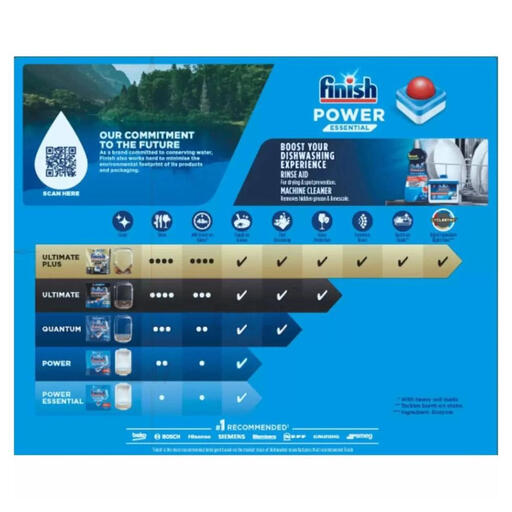
Why This Suits Their Persona: A 100-tablet pack suits regular household use and gives new dishwasher owners a straightforward everyday detergent option.
The stated built-in salt function is specified for soft to hard water up to 26°e (21°dH), helping buyers compare water suitability instead of assuming every tablet works identically.
Wrapper-free tablets with water-soluble film; lemon fragrance; suitable for septic tanks according to the product information.
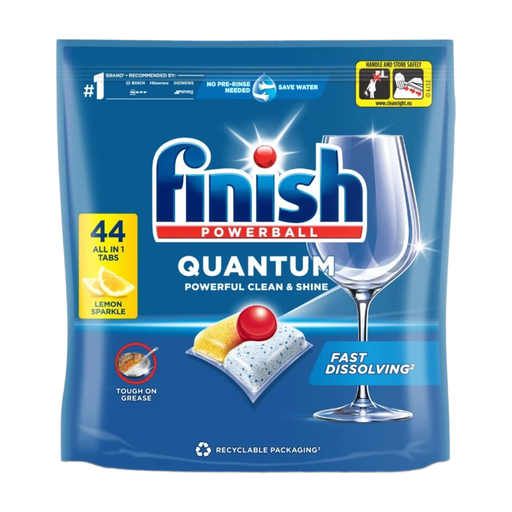
Why This Suits Their Persona: Suitable for shoppers who prioritise a multi-compartment capsule format and use short or eco cycles.
The product information identifies a triple-chamber design containing powder, gel and a Powerball, rather than relying only on a vague all-in-one label.
Water-soluble film; designed for short and eco cycles; no unwrapping or pre-rinsing is specified.
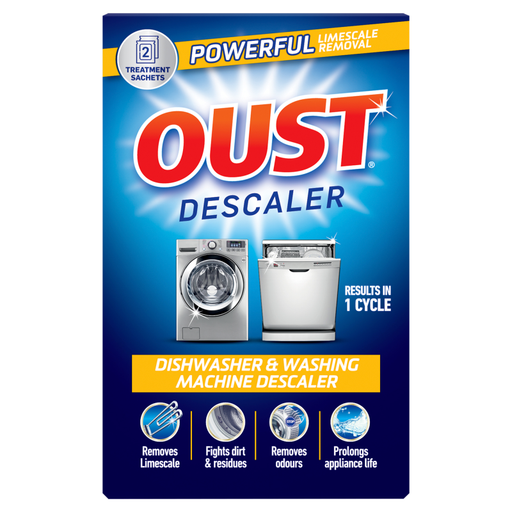
Why This Suits Their Persona: Useful for households dealing with visible mineral deposits, persistent odours or frequent appliance use.
It is clearly positioned as a maintenance descaler rather than an everyday dishwasher detergent, with separate instructions for an empty dishwasher.
A 150g sachet is specified for one dishwasher descaling cycle; suitable for all dishwasher makes according to the product description.
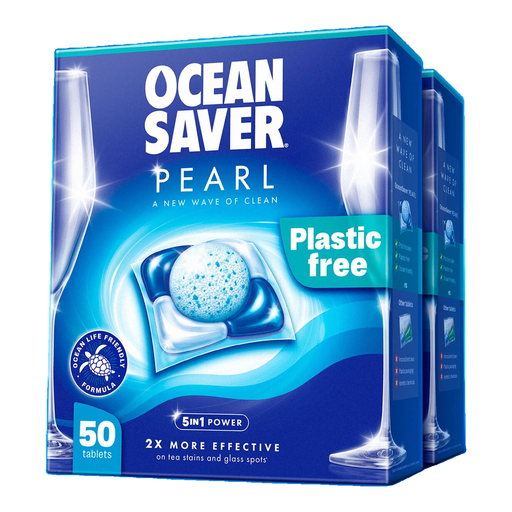
Why This Suits Their Persona: A practical option for shoppers looking for plant-derived, biodegradable and fragrance-free product information in one daily-use pack.
The listed formulation details include biodegradable ingredients and no artificial fragrance or dyes, allowing a more informed comparison than an “eco” label alone.
Pack of 50 tablets; described as free from phosphates, chlorine, artificial fragrances and dyes.
We have compiled a complete, real-time list of products that fully satisfy these strict selection criteria and UK safety regulations.
A simple maintenance schedule can help prevent unnecessary product use:
No. Dishwasher tablets clean dishes during a loaded wash, while dishwasher cleaners and descalers target internal grease, detergent residue and limescale. They serve different purposes.
The correct interval depends on the product. Some are intended monthly, while certain bottle-style cleaners specify use every three months. Follow the product label and consider how often the appliance runs, the water hardness and whether odours or residue are visible.
A deodoriser may help control smells between washes, but persistent odour can indicate food residue, a dirty filter or standing water. Clean the relevant dishwasher parts first, then use a freshener as an additional maintenance step.