Households preparing several lunchboxes
If lunchboxes, lids and everyday dishes go into the same load, look for a basket layout that lets you separate small pieces and accommodate different container heights.


Choose a dishwasher whose upper rack can hold your dishwasher-safe lunchboxes and loose lids securely, then give drying features more weight if you need to put plastic items away soon after washing. A full-size model is worth considering for frequent mixed loads, while a slimline model can suit a narrow kitchen; in either case, check the usable rack layout and programme conditions rather than relying on place-setting capacity alone.
If lunchboxes, lids and everyday dishes go into the same load, look for a basket layout that lets you separate small pieces and accommodate different container heights.
If containers need to be stored or repacked soon after a cycle, consider the exact model’s drying options as well as how securely plastics sit in its upper rack.
A slimline machine may fit the available width, but its basket still needs room for your lunchbox bases and lids. If turnaround time matters, check what level of soiling its short programme is intended to handle.
For regular lunchbox washing, check safe loading and the space your containers actually occupy before comparing drying options and shorter programmes.
| Concern | What to check | Who this matters to |
|---|---|---|
| Plastic drying and safe loading | Check the lunchbox care instructions, upper-rack fit and drying options on the exact dishwasher model. | If I need to repack plastic boxes soon after washing, I want lids held securely and less water left to deal with. Roughly 42% of consumers put plastic drying and safe loading first. |
| Flexible capacity | Compare adjustable racks and tray arrangements against the dimensions of your lunchboxes, not just the place-setting figure. | When several lunchboxes share a load with everyday dishes, I need room to separate lids without obstructing the spray arms; around 33% of consumers prioritise flexible loading. |
| Kitchen fit and short cycles | Measure the installation space and check the stated load and soil conditions for any quick programme. | With a narrow space for a machine, I need it to fit and to have a suitable short cycle for lightly soiled containers. About 25% of consumers put kitchen fit and appropriate quick programmes first. |
A dishwasher’s drying option does not change a lunchbox maker’s care instructions. Bosch UK advises placing dishwasher-safe plastics in the top rack to keep them away from higher-temperature exposure.
Check the lunchbox marking first, then make sure it can sit securely in the upper rack without obstructing water flow.
A place-setting figure cannot tell you whether deep box bases and loose lids will fit without nesting or blocking the spray arms.
Measure your containers and compare their dimensions with the rack layout, height adjustment and cutlery-tray arrangement of the exact model.
Beko UK describes the Mini 30-minute programme on its BDFS16031 as intended for lightly soiled dishes. That condition matters when lunchboxes have dried-on food.
Choose a programme that matches the soil level and the dishwasher manual, and scrape away large food remnants before loading.
Capacity, programme duration and drying features can differ between machines, so a brand-level description is not a substitute for the details of the model you intend to buy.
Compare that model’s energy label and product information sheet alongside its dimensions and basket arrangement.
Relevant if adjustable loading and a drying option for plastics are priorities. Bosch UK lists Zeolith drying and a flexible basket system for its 60 cm SMD6ZCX60G.
Relevant when choosing between a slimline format and a full-size model with different basket and programme options.
Relevant to households comparing 60 cm dishwashers for repeated mixed loads and adjustable basket layouts.
These slimline models are relevant when kitchen width limits your choice. Compare freestanding and integrated installation first, then check upper-rack fit and the programmes you would use for lunchboxes.
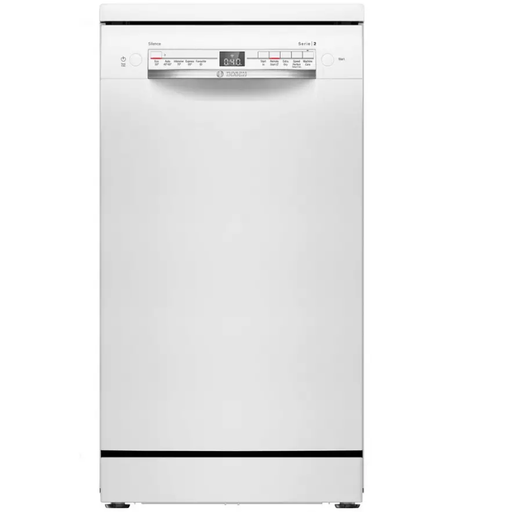 No image available
Consider this freestanding model if installation width is limited and plastic drying is a priority. Its listed features include 9 place settings and ExtraDry; check whether your lunchboxes fit securely in the upper rack and whether the drying result meets your needs.
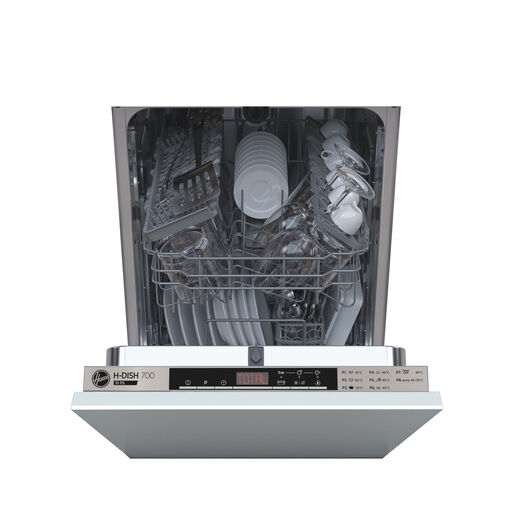 No image available
This integrated model is an option if your kitchen has a suitable cabinet space. It is listed for 10 place settings; confirm the installation requirements and door-panel arrangements, measure upper-rack clearance for your containers, and check the Rapid 29' programme conditions before relying on it for lunchbox loads.
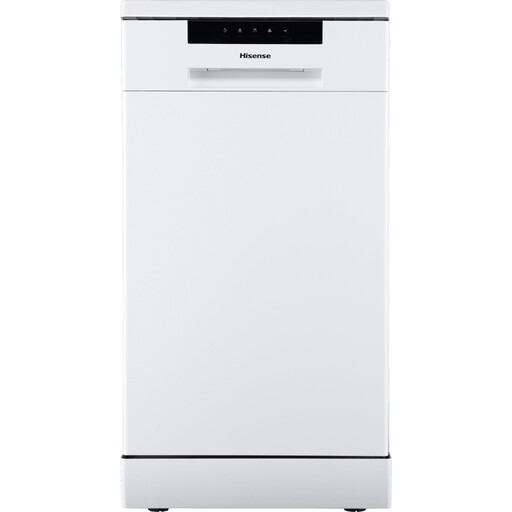 No image available
This freestanding model may suit a narrow kitchen where lunchboxes form part of everyday loads. It is listed for 9 place settings; check upper-rack clearance and the exact quick-wash conditions, and assess plastic drying against your own storage needs.
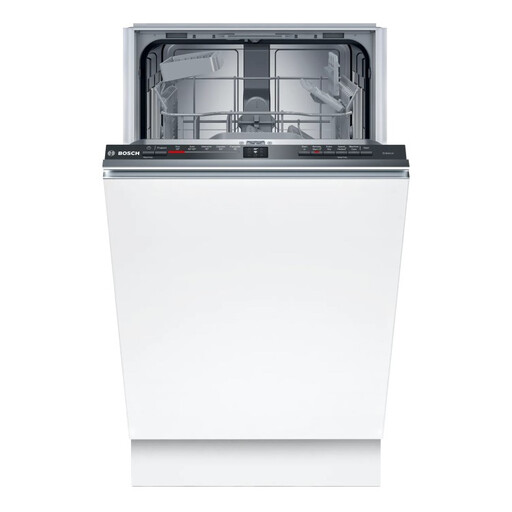 No image available
Consider this integrated slimline model if a suitable cabinet space and door arrangement are part of your plan. Check those installation details, measure your lunchboxes against the upper-rack clearance and assess the listed Extra Dry option for the plastics you use.
Place them in the top rack if their care instructions permit dishwasher cleaning. Bosch UK advises this position to keep dishwasher-safe plastics away from higher-temperature exposure; leave space between items and make sure lids cannot obstruct the spray arms.
No: match the programme to the condition of the containers. Beko UK describes the Mini 30-minute programme on its BDFS16031 for lightly soiled dishes, so check the manual for another suitable programme when food has dried onto a lunchbox.
Compare the energy label and product information sheet for the exact model you are considering, alongside its programme duration, dimensions and rack arrangement. A rating alone will not tell you whether your lunchboxes fit.
Follow the dishwasher manual for filter care, cleaning, descaling, salt and rinse-aid settings. Scrape off large food pieces before loading, and use the settings specified for your model rather than assuming every machine needs the same routine.