What to check before buying
Start with the number and shape of lunchboxes washed each day, then establish what the kitchen can accommodate and when a wash needs to finish. Confirm that every container component is dishwasher-safe before choosing a programme.
| Concern | Buying check | Who this matters to |
|---|
| Lunchbox loading |
Compare basket diagrams and clearances using a representative container, lid and cutlery set; check rack adjustability on the exact model. |
When several people bring deep containers and loose lids, I need them to fit in a workable load. Around 29% of consumers would put loading flexibility first. |
| Cleaning routine |
Check the dishwasher instructions for every container component. In a food business, assess the washing routine within its documented food-safety controls. |
I need a repeatable way to wash the actual lunchbox materials without overlooking contamination risks where food is handled commercially; roughly 22% of consumers would make this their primary concern. |
| Installation fit |
Measure the appliance bay, access route and door clearance; confirm water, drainage and the model’s installation requirements. |
With a constrained kitchen or an uncertain plumbing layout, I need to establish that the machine can be installed before comparing programmes. About 21% of consumers would prioritise fit. |
| Turnaround and noise |
Compare programme durations alongside their stated load and soil conditions; check the published noise figure for the exact model. |
Lunchboxes need to be ready for the next use without a wash disrupting the shared space; around 14% of consumers would put turnaround or noise first. |
| Energy and water information |
Compare exact-model energy labels and product information on the same programme basis; consider whether loads will usually be full or small. |
If the machine will run repeatedly, I want comparable running information before choosing it. Roughly 14% of consumers would treat energy and water information as their leading concern. |
Brands to consider
These brands illustrate appliance formats and model-specific features relevant to lunchbox washing; check the details on the machine you are considering.
Bosch
Relevant when deciding whether a freestanding installation is workable or checking for a particular wash programme.
- Bosch UK says its freestanding dishwashers can be positioned where water and drainage connections are available.
- Bosch describes a HygienePlus rinse on some models, not every Bosch dishwasher. Check the chosen model’s programme instructions rather than assuming the feature is included.
Miele
Relevant when a compact appliance bay makes a slimline format worth considering.
- Miele UK lists slimline as well as standard integrated dishwasher formats, including 45 cm models.
- Compare the precise capacity, baskets and programmes: the narrower format alone does not establish how well several lunchboxes will load.
Beko
Relevant when comparing a full-size integrated layout and the conditions attached to quick programmes.
- Beko UK lists DIN15X20 with 13 place settings and a removable sliding cutlery basket.
- Beko describes its 30-minute Mini programme for lightly soiled dishes. Check both the programme conditions and container fit before applying this model’s details to a shared lunchbox load.
Hotpoint
Relevant when an integrated machine needs rack space for bowls, utensils and loose lunchbox parts.
- Hotpoint describes its H8I HT59 LS UK as a 14-place-setting model with a third rack and adjustable second rack.
- Those loading features describe this model, not every Hotpoint dishwasher; compare its rack geometry with the lunchboxes in use.
Joybuy dishwasher options
These full-size integrated and freestanding dishwashers are options for shared kitchens washing dishwasher-safe lunchboxes. Use the stated place-setting capacities as a starting point, then check container fit, installation and programme conditions for each model.
 No image available
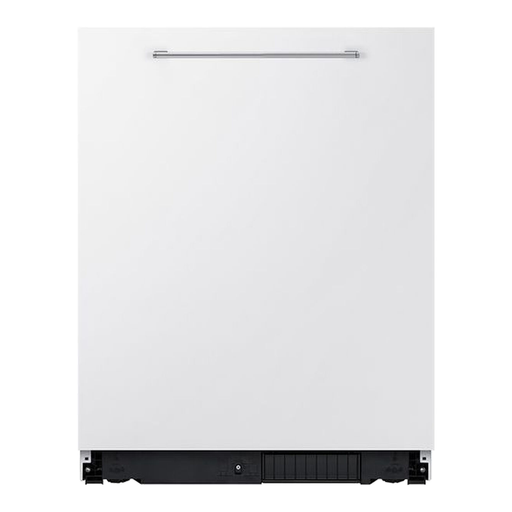
Samsung DW60CG550B00EU Series 7 integrated dishwasher, 14 place settings, D rated
Consider this integrated model where several people’s lunchboxes need washing and there is a suitable cabinet opening. Its stated 14-place-setting capacity is not a lunchbox count: check basket clearances for your containers and lids, as well as the installation dimensions and programme conditions.
View on Joybuy
 No image available
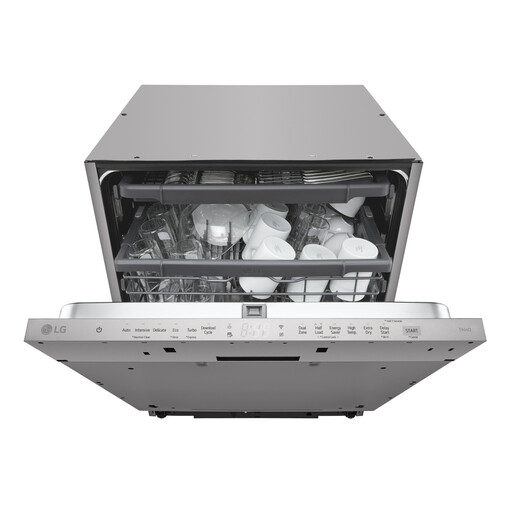
LG DB243TX fully integrated dishwasher, 14 place settings, D rated
This is an integrated option for a shared lunchbox load, subject to the actual basket space available for containers and lids. Confirm the installation-sheet width against the intended opening before ordering, and check the chosen programme’s conditions for the loads you expect.
View on Joybuy
 No image available
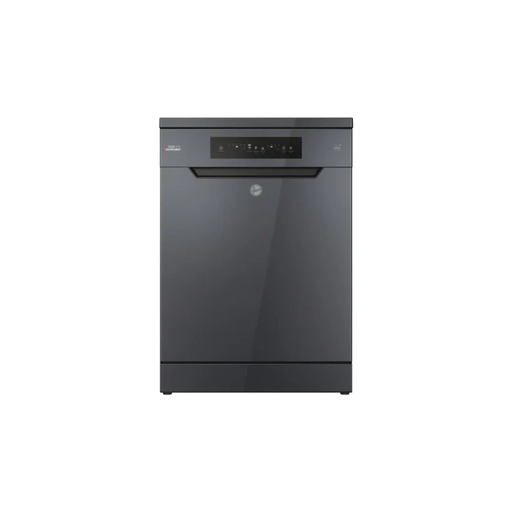
Hoover H-Dish 300 HFP 4C7E0A-80 freestanding dishwasher, 14 place settings, graphite
The freestanding format may suit a kitchen without an integrated appliance bay, provided there is suitable water and drainage access. Its title states a C energy class; check the basket layout for lunchbox fit and read the programme guidance before relying on a rapid cycle.
View on Joybuy
 No image available
Hisense HS642D90WUK 60 cm freestanding dishwasher, 14 place settings, white
This D-rated freestanding model is worth considering where a 60 cm appliance and its connections can be accommodated. Check the baskets against the lunchbox shapes in use, and confirm rapid-programme timing and load conditions in the exact model’s instructions before planning around a short wash.
View on Joybuy
 No image available
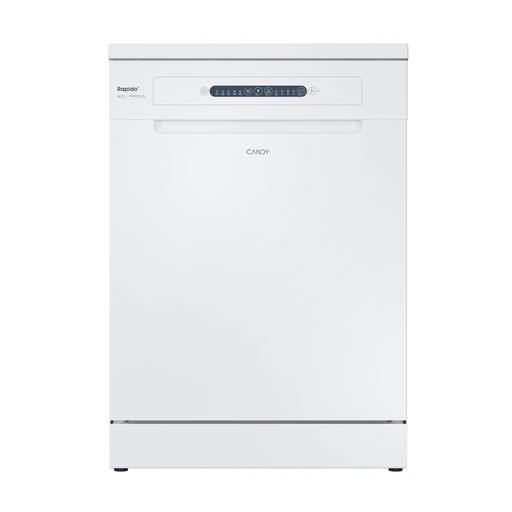
CANDY RapidÓ CF 3C9E0W-80 freestanding dishwasher, 13 place settings, white
For a shared kitchen considering a freestanding machine, compare its stated 13-place-setting capacity with the space your containers and lids actually occupy. The title identifies a C energy class and 49-minute Rapid cycle; check the programme’s load and soil conditions before treating that duration as your daily turnaround time.
View on Joybuy
Questions about shared-kitchen dishwashers
Can place settings tell me how many lunchboxes will fit?
No: use place settings for a broad tableware-capacity comparison, not as a lunchbox count. The dishwasher labelling definition published by legislation.gov.uk describes a place setting as tableware for one person; container height, lids and basket geometry need a separate check on the exact model.
Will a quick programme suit every lunchbox load?
No: its suitability depends on the programme’s stated load and soil conditions. Beko, for example, describes the 30-minute Mini programme on DIN15X20 for lightly soiled dishes. Consult the instructions for whichever model you choose before using a rapid cycle for dirtier containers.
What should I measure before ordering?
Measure the available width, height and depth, along with the access route and door-opening clearance. Check the model’s installation sheet and the available water and drainage connections; Bosch UK notes that these connections are needed for freestanding placement too.
How should I compare energy and water information?
Compare the exact models’ energy labels and product information on the same stated programme basis. Figures associated with the defined eco programme should not be treated as the usage for every rapid or partly loaded wash.
Is a household dishwasher feature list enough for a food-business kitchen?
No: the appliance and washing routine need to fit that business’s documented food-safety controls. The Food Standards Agency’s MyHACCP guidance calls for contamination risks in shared facilities to be considered, so assess the actual food activities and cleaning procedures rather than relying on a programme name alone.


