
24/7 Customer Support

Free returns

Same-day & Next-day Delivery

Quality Guaranteed

Unlock Your Welcome Offers: FREE Delivery | Up to 80% OFF | Free 30-day JoyPlus trial
Download the APP
There's little more frustrating than opening your dishwasher after a full cycle, only to find your "clean" glasses are cloudy and your cutlery is covered in dried water spots. You expect sparkling results, but instead, you're left with a film that makes everything look less than clean. This common problem is often not the fault of your dishwasher or detergent, but a simple matter of how water behaves on surfaces as it dries.
A quality dishwasher rinse aid is designed to solve this exact issue. It works during the final rinse cycle to ensure water sheets off your dishes, glassware and cutlery, rather than forming droplets that leave mineral deposits behind. This guide will walk you through what to look for and present our top recommendations to help you achieve a flawless, streak-free finish every time.
Navigating the options can be confusing. From dedicated liquids to multi-benefit tablets, here are a few key points to consider to find the right product for your UK home.
The choice between a separate liquid rinse aid and all in one dishwasher tablets often comes down to performance versus convenience. All-in-one tablets contain a pre-measured amount of detergent, salt and rinse aid. They are simple to use but may not provide enough rinsing power for every situation, particularly in areas with very hard water. A dedicated liquid rinse aid allows you to control the dosage via your dishwasher's dispenser, providing a more tailored and often more effective solution for achieving a perfect, spot-free shine.
Much of the UK, especially in the South and East of England, has hard water. This means the water contains high levels of calcium and magnesium. When water droplets evaporate on your dishes, these minerals are left behind as a chalky film or white spots. A good hard water rinse aid is specifically formulated with surfactants that counteract these minerals, breaking the surface tension of the water so it slides away cleanly. For a truly streak free dishwasher cleaner result in these areas, using both dishwasher salt and rinse aid is often necessary—the salt softens the water for the main wash, and the rinse aid ensures it dries perfectly.
For many households, what a product doesn't contain is as important as what it does. If you're looking to reduce your environmental impact, consider eco friendly dishwasher tablets and rinse aids. Look for features like plant-based and biodegradable ingredients, plastic-free or refillable packaging and certifications like Vegan or Cruelty-Free. These options provide effective cleaning without introducing unnecessary chemicals into your home or the water system.
Based on their features, formulations and user feedback, here are three standout options that cater to different needs and priorities.
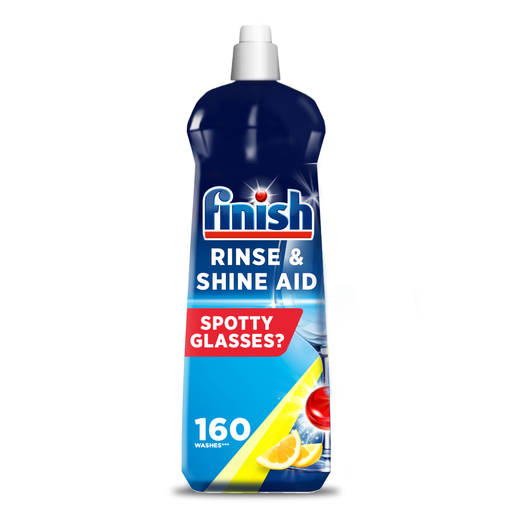
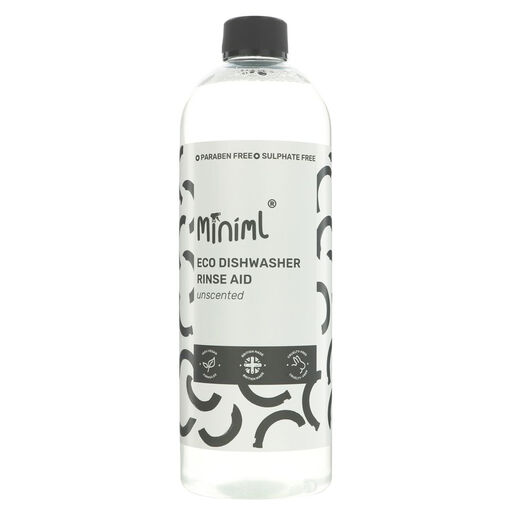
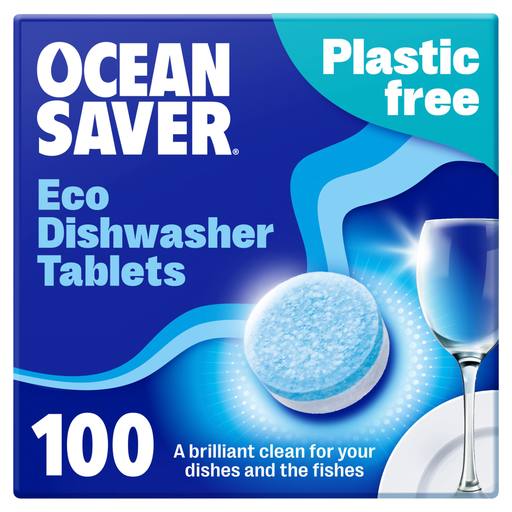
While these three recommendations cover a range of needs from high-performance to eco-conscious, the right choice is always a personal one. If you're still exploring or have different requirements, you can find a wider selection to suit your machine and household.
Explore our full collection of rinse aids on Joybuy.co.uk
While not strictly essential for the dishwasher to run, it is necessary for achieving the best results. A rinse aid is a surfactant that works in the final rinse cycle to reduce the surface tension of water. This causes water to sheet off surfaces instead of forming droplets, which prevents water spots and promotes faster, more hygienic drying. While all in one dishwasher tablets contain a rinse aid component, a separate liquid often delivers more consistent and powerful performance, especially in hard water areas.
This is a common DIY suggestion, but it is generally not recommended by dishwasher manufacturers. The acetic acid in vinegar can, over time, potentially damage the rubber seals, gaskets and other components inside your machine. A properly formulated dishwasher rinse aid is designed to be effective and safe for all parts of your appliance.
The need for both depends largely on your water hardness. If you notice a white, chalky residue on your dishes or the interior of your machine, you likely have hard water and need dishwasher salt to soften it. If your main issue is water spots, cloudiness on glasses or dishes that are still wet at the end of a cycle, then a dishwasher rinse aid is the solution. Most modern dishwashers have separate indicator lights that will tell you when it's time to refill both.