
24/7 Customer Support

Free returns

Same-day & Next-day Delivery

Quality Guaranteed

Unlock Your Welcome Offers: FREE Delivery | Up to 80% OFF | Free 30-day JoyPlus trial
Download the APP
Reusable face cloths can collect moisture, detergent residue and bacteria when they are not washed and dried properly. Yet choosing disposable face towels is not as simple as selecting the largest pack. Thin sheets may tear when wet, textured surfaces can feel rough, and vague “skin-friendly” wording may not tell you what the towel is actually made from.
For UK shoppers, three buying traps appear frequently:
The right choice depends on how you cleanse, whether you remove make-up, where you store the pack and how often you use it.
The material affects softness, absorbency and wet strength. Common options include:
If you have easily irritated skin, look for clear information about fragrance, additives and surface texture. A product listed as suitable for sensitive skin is not a guarantee that it will suit everyone. Stop using it if irritation occurs and consider trying one sheet on a small area first.
For wet-and-dry face wipes, the sheet should remain intact after being moistened. A pearl texture may provide additional surface contact for removing everyday residue or make-up, while a smooth side can be preferable for gentle drying.
Texture is a personal choice. A raised pattern may improve grip and absorbency, but it can feel less comfortable if you prefer a very smooth finish. For make-up removal, use light pressure and a suitable cleanser rather than scrubbing the skin.
A sheet measuring 200 × 200 mm offers more coverage than a small facial tissue and may be convenient for drying the whole face. Pack size also matters:
Disposable towels should go into general waste unless the packaging specifically provides different local guidance. Do not flush them, even when they have been used with water.
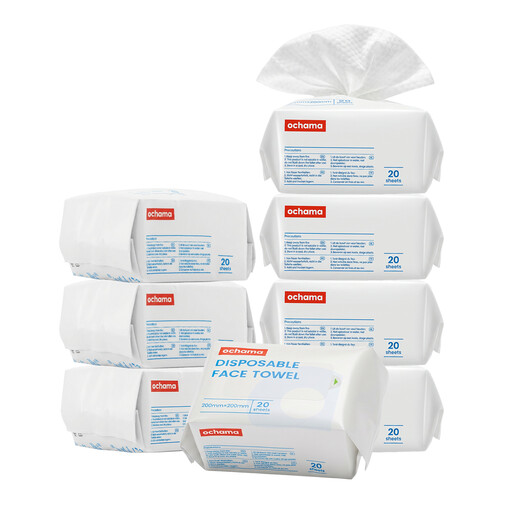
Why This Fits Their Persona: Eight compact packs provide a practical way to divide supplies between the bathroom, gym bag, office or travel luggage without committing to one large open pack.
The listing states a 160-sheet total, eight 20-sheet packs and wet-and-dry use, making the quantity and intended use clear.
Plant-based cellulose fibre; pearl texture on one side and a smooth side for different wiping preferences.
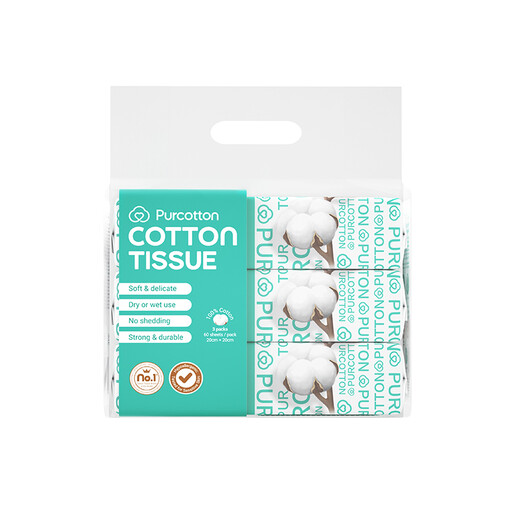
Why This Fits Their Persona: Shoppers who prioritise a clearly specified fibre and a soft feel may prefer this three-pack cotton option for cleansing, make-up removal and damp use.
The product information identifies 100% cotton and states that it is designed for wet or dry use, rather than leaving the fibre unspecified.
180 sheets across three packs; listed as free from optical brighteners, fragrances and harsh chemicals.
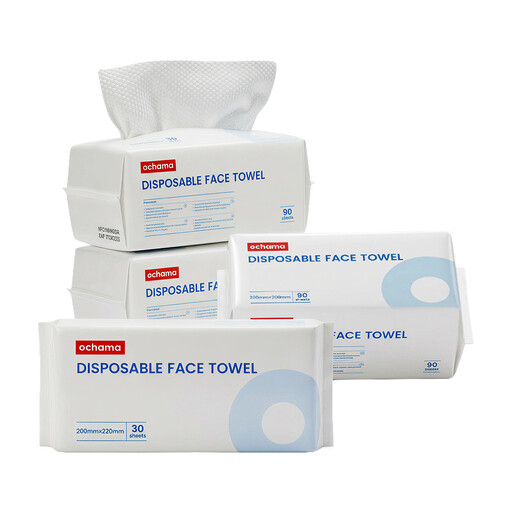
Why This Fits Their Persona: A 300-sheet supply suits frequent facial cleansing, family bathrooms and regular make-up removal at home.
The pack states its 200 × 200 mm sheet size and 90 × 3 plus 30-sheet format, helping you compare usable coverage and quantity.
Pearl-embossed viscose/lyocell blend; suitable for dry use, water-dampened wiping and hand drying.
Use disposable face towels with water or your usual cleanser according to the product instructions. Avoid vigorous rubbing, particularly around the eyes. If you use make-up removal wipes, check whether the towel is intended to remove cosmetics or whether a separate cleanser is required.
For travel face wipes and gym use, keep unopened packs in a dry washbag. At home, a hanging pack can make dispensing easier, but do not place it directly above a bath or shower where steam and splashes can enter. Dispose of each sheet in a bin after one use; these are not reusable-style disposable face cloths, despite some descriptions comparing their feel with a conventional towel.
Some products are listed as suitable for sensitive skin, but individual tolerance varies. Check the material and whether fragrance, optical brighteners or other additives are included. Choose a smooth side where available, use light pressure and stop if discomfort or irritation develops.
Many are designed for both applications, but not all facial tissues or make-up removal wipes have the same wet strength. Look for explicit “wet and dry” wording and follow the manufacturer’s instructions. Dampen with clean water rather than soaking the sheet, unless the product directions say otherwise.
They reduce the need to store and launder a cloth after every use because each sheet is intended for single use. However, hygiene still depends on clean hands, dry storage and correct disposal. They should never be flushed, and an opened pack should be protected from moisture and bathroom splashes.