
24/7 Customer Support

Free returns

Same-day & Next-day Delivery

Quality Guaranteed

Unlock Your Welcome Offers: FREE Delivery | Up to 80% OFF | Free 30-day JoyPlus trial
Download the APP
Disposable face towels can make daily cleansing simpler, particularly when you want to avoid damp bathroom towels, shared germs or carrying a used cloth while travelling. However, product descriptions can make very different items sound interchangeable. A dry cotton sheet, a pre-moistened baby wipe and an extra-large body wipe serve different purposes.
The practical approach is to compare material, wet strength, sheet size, ingredients and pack value before buying. Below are the main pitfalls to avoid, followed by our top recommendations for different household needs.
Some disposable facial tissues are designed mainly for dry wiping. They may feel comfortable initially but tear, pill or leave fibres behind when soaked. If you want facial cleansing towels for use with water, look for clear wording such as dry and wet dual-use, together with a stated non-shedding or durable construction.
A pack containing hundreds of sheets may look economical, but individual sheets can be small or thin. Compare the number of sheets, sheet dimensions and price per sheet. A 200 × 200 mm towel gives substantially more coverage than a compact tissue, while an extra-large 20 × 30 cm wet wipe is intended for broader body cleansing rather than a quick facial wipe.
Cotton, viscose, lyocell and plant-based fibres have different properties. A product described as biodegradable may still require disposal in household waste. “Sensitive skin” wording is also not a guarantee that every user will tolerate a product. Check the ingredient list, avoid fragrances if they concern you and stop using any product if irritation occurs.
For dry and wet facial cleansing, 100% cotton can provide a soft, cloth-like feel. Purcotton’s cotton facial tissues, for example, list natural cotton as the main material and are described as free from fragrances, brighteners and harsh chemicals. Other disposable face towels use viscose, lyocell, cellulose or blended plant fibres, which may offer a smooth or textured surface.
Pre-moistened products require closer ingredient checks. Fragrance-free, alcohol-free options may be preferable for people who wish to keep formulas simple. Baby wipes can contain additional ingredients such as glycerin, aloe vera or vitamin E, so read the packaging if you are shopping for a newborn or someone with particularly reactive skin.
Pearl embossing can increase surface texture and may help with absorbing water or removing everyday residue. A smooth side can be more comfortable for gentle wiping, while a textured side may be useful for make-up removal. Do not assume texture alone proves performance: also look for statements about tear resistance, fibre shedding and wet-use suitability.
For pre-moistened wipes, a resealable lid or adhesive closure helps limit drying after opening. Extra-thick synthetic-fibre wipes, such as the SUNKISS Trustplus range, are designed for larger-area cleansing and state a 65 g/m² fabric weight. These are not a direct replacement for small facial tissues, but can suit carers or households needing full-body cleaning.
A small pack is practical for handbags, nappy bags and travel. Larger quantities, such as 300, 576 or 720 sheets, can reduce how often you reorder, but need dry storage away from direct sunlight and moisture.
Disposable face towels and facial wipes should generally go into household waste, not the toilet. Even products described as biodegradable should not be flushed unless the packaging and local waste guidance specifically permit it. Follow the label, particularly in rented UK homes where plumbing repairs can be costly.
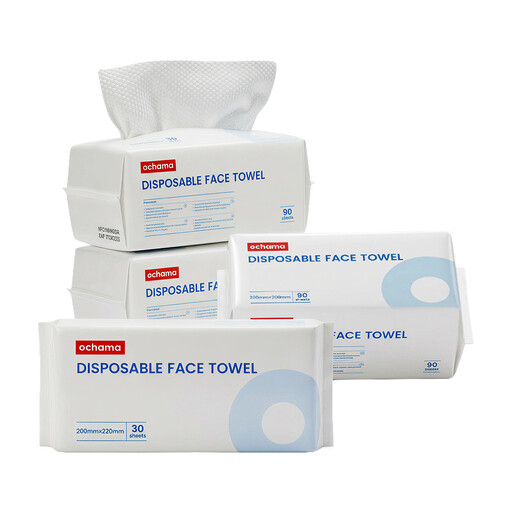
Why This Fits Their Persona: A practical starting point for UK households wanting one pack for facial cleansing, hand drying, make-up removal and travel.
The listing specifies 300 sheets, 200 × 200 mm sizing and dry or wet use, making the pack format easier to assess before purchase.
Pearl texture; three 90-sheet packs plus 30 additional sheets; suitable for dry and damp wiping.
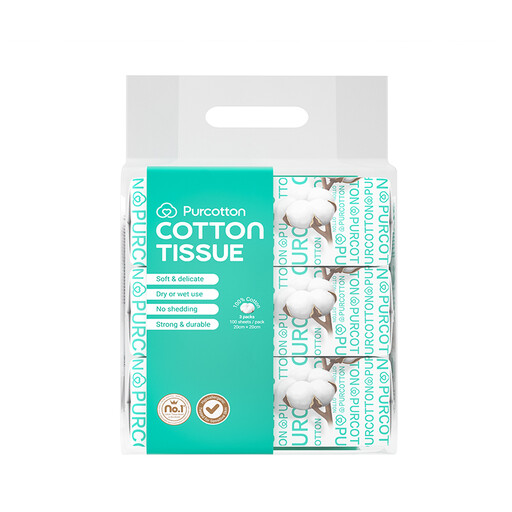
Why This Fits Their Persona: Suitable for shoppers prioritising a natural cotton material and a reusable-feel disposable towel for home or travel.
The product description identifies 100% cotton and states that it is intended for both dry and wet use, rather than relying only on a general softness claim.
300 sheets across three packs; listed as fragrance-free and free from optical brighteners.
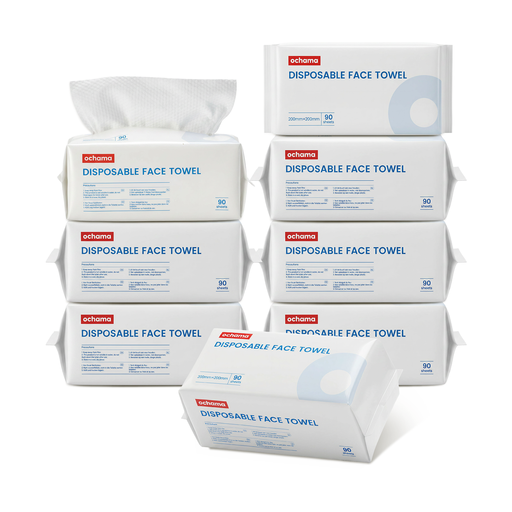
Why This Fits Their Persona: Designed for families, shared bathrooms and regular daily use where a bulk disposable face towel supply is useful.
The total quantity and eight-pack format are clearly stated, avoiding confusion between sheet count and number of packs.
720 plant-fibre sheets; pearl-embossed texture; dry and wet use for facial cleansing and make-up removal.
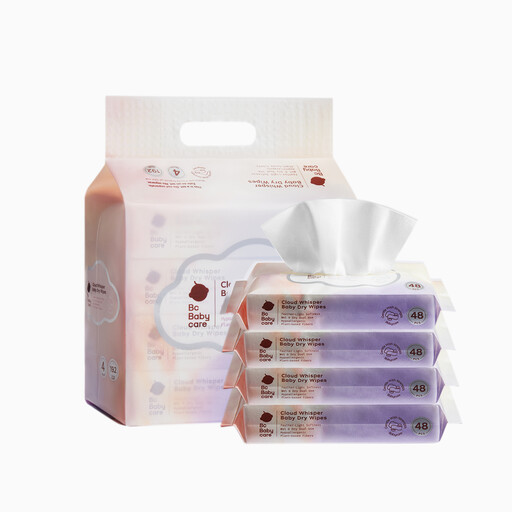
Why This Fits Their Persona: A dry-and-wet option for baby care, adult facial cleansing, make-up removal and households seeking fragrance-free disposable wipes.
The listing identifies 100% viscose fibres and states that the wipes contain no alcohol, parabens or fragrance, helping shoppers compare the formula directly.
192 sheets measuring 200 × 200 mm; plant-based material; instructions allow dry use or adding clean water.
We have compiled a complete, real-time list of products that fully satisfy these strict selection criteria and UK safety regulations.
Some are made without fragrance, alcohol or optical brighteners, but suitability varies. Read the full label, use gently and avoid applying products to broken or irritated skin. For babies, choose products specifically labelled for the relevant age range and follow the manufacturer’s directions.
Only if the product is described as suitable for wet use. Cotton facial tissues and dual-use face towels are designed to be moistened with clean water, while ordinary dry facial tissues may lose strength. Reseal packs after use and store them in a cool, dry place.
No. Biodegradable does not automatically mean flushable. Unless the packaging clearly states otherwise and this is consistent with local guidance, place used disposable face towels, baby wipes and make-up removal wipes in a household waste bin.