
24/7 Customer Support

Free returns

Same-day & Next-day Delivery

Quality Guaranteed

Unlock Your Welcome Offers: FREE Delivery | Up to 80% OFF | Free 30-day JoyPlus trial
Download the APP
Disposable face towels can simplify skincare after washing, removing make-up, travelling or visiting the gym. They are also useful for households that want a single-use alternative to face cloths. However, pack size and phrases such as “soft”, “hygienic” and “cotton towel” do not tell you everything you need to know.
Before buying disposable facial cleansing towels, check the sheet dimensions, material, texture, intended use and disposal instructions. These details have a greater effect on practicality and value than attractive packaging alone.
A large outer box may contain several small packs, while a compact pack may contain thicker or larger sheets. Always compare the total number of sheets, the number of individual packs and, where available, the sheet dimensions.
For example, a 160-sheet family sharing pack is not directly comparable with a 720-sheet household stocking pack. The more suitable option depends on whether you need face towels for occasional travel, daily use or several people.
Softness is influenced by the fibre, thickness, embossing and whether the sheet is dry or damp. A pearl texture may provide a more tactile surface for wiping, while a smooth side can be preferable for gentle drying.
Marketing descriptions should not replace practical checks. Look for the stated material, size and whether the product is designed for wet and dry use. If the material composition is unclear, consider whether that matters for your skin or household preferences before ordering.
Single-use face towels should be placed in a suitable waste bin. They should not be flushed, even if they feel similar to facial tissues. Used sheets can swell when wet and may contribute to plumbing problems.
Disposable towels are also not a true reusable alternative to face cloths in environmental terms. Their advantage is convenience and avoiding washing after each use; households should still consider sheet count, packaging and responsible disposal.
Common materials include viscose, lyocell blends, cellulose and other plant-based or non-woven fibres. Product descriptions may use terms such as soft facial tissues or cotton towel, but check the listed material rather than relying on the wording alone.
If you have sensitive skin, choose a product with clear material information and avoid assuming that a general “suitable for sensitive skin” statement guarantees compatibility. Use a small area first and stop using the product if irritation occurs. These are consumer hygiene products, not medical devices or treatments.
A larger sheet can cover more of the face and may be useful after cleansing or removing make-up. The ochama 300-sheet option, for instance, lists a 200 × 200 mm sheet size. Smaller or thinner sheets may be more convenient for travel but could require more than one sheet.
For make-up removal towels, consider whether the sheet remains comfortable when damp and whether the texture suits your routine. For simple drying, absorbency and thickness may matter more than an embossed surface.
Some disposable facial cleansing towels are intended for dry wiping, while others can be dampened with water. Wet-and-dry dual-use designs can reduce the need to buy separate face cleansing wipes, particularly for travel, gym bags or bathrooms without much storage.
Remember that a dry towel is not the same as a pre-moistened wipe. If you need cleansing lotion or micellar water, you may still need a separate product. Check the instructions and store unused packs in a cool, dry place, sealed away from moisture.
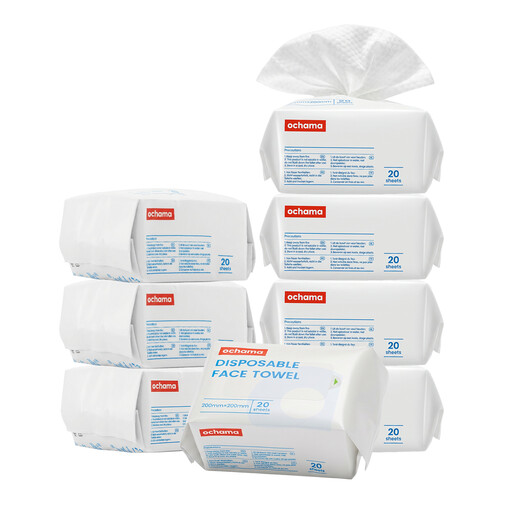
Why This Fits Their Persona: Eight packs of 20 sheets provide a manageable way to try disposable face towels at home or divide them between bathroom cupboards and bags.
The total of 160 sheets and eight separate packs is stated clearly, helping shoppers avoid judging value from box size alone.
Pearl texture; wet-and-dry use; compact packs for travel, gyms or occasional use.
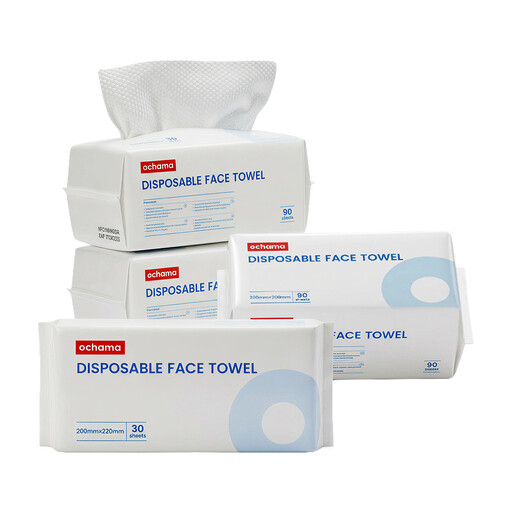
Why This Fits Their Persona: The larger 200 × 200 mm format suits shoppers who want a more substantial sheet for facial cleansing, drying and make-up removal.
The listing provides the material blend, sheet dimensions, texture and pack breakdown rather than relying only on general softness wording.
300 sheets in three 90-sheet packs plus 30 sheets; pearl texture; dry or damp use.
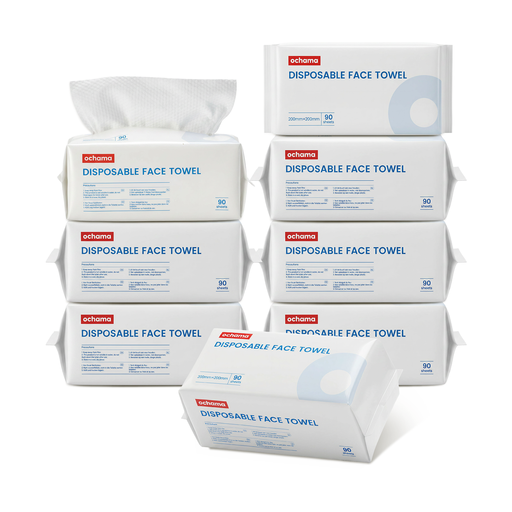
Why This Fits Their Persona: An eight-pack case is suited to busy households, shared bathrooms and shoppers who want to reduce frequent reordering.
The total quantity is specified as 90 sheets × 8 packs, making it easier to calculate usage and compare household cost.
720 sheets; plant-fibre non-woven material; pearl-embossed texture; wet-and-dry use.
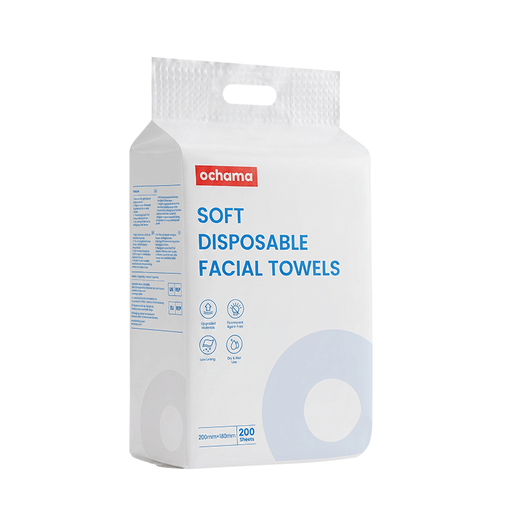
Why This Fits Their Persona: The hanging, pull-out design can keep a bathroom, dressing area or utility space organised while providing quick access.
The product details identify the hanging hook, pull-out format and 200-sheet quantity, so the storage benefit is a defined feature.
Hanging pull-out packaging; thickened non-woven fabric; suitable for dry or damp use.
We have compiled a complete, real-time list of products that fully satisfy these strict selection criteria and UK safety regulations.
Some listings describe their towels as suitable for sensitive skin, but individual tolerance varies. Check the material and any product precautions, avoid rubbing firmly and discontinue use if irritation occurs. They are intended for external, everyday cleaning and are not a treatment for skin conditions.
They can replace face cloths for selected routines where single-use convenience is important, such as travel, gyms or shared households. They do not offer the same reusability as washable cloths, so compare your priorities around laundry, waste, storage and cost per sheet.
This depends on how many sheets you use per day and whether the towels are shared. Divide the total sheet count by your expected daily usage. A 200-sheet pack used at two sheets per day would provide approximately 100 days for one person, before accounting for occasional extra use.