
24/7 Customer Support

Free returns

Same-day & Next-day Delivery

Quality Guaranteed

Unlock Your Welcome Offers: FREE Delivery | Up to 80% OFF | Free 30-day JoyPlus trial
Download the APP
Disposable face towels can simplify daily skincare, make-up removal, baby care and travel. They are also useful for gym bags, guest bathrooms and households where sharing a damp reusable cloth is inconvenient. However, pack size and phrases such as “ultra-soft” do not tell the whole story.
The right choice depends on material, sheet size, wet strength, storage and how often you plan to use each towel. This guide explains the practical details to check before buying disposable face towels in the UK.
A family-size face towel pack may appear economical, but the useful comparison is cost per sheet, not the headline number on the box. Check whether the total includes several smaller packs, bonus sheets or a mixture of sizes. Smaller packs can also be more suitable for travel and may help prevent unused towels being exposed to bathroom moisture.
Some disposable facial towels use cotton, while others use viscose, lyocell blends, cellulose or other plant fibres formed into non-woven fabric. These materials can differ in softness, absorbency and how they behave when wet.
Read the full material description rather than relying on the product title. If you specifically want 100% cotton facial tissues, choose a listing that clearly states the main material.
Dry and wet face wipes are designed to be moistened with water, but they remain single-use products. A towel that holds together when damp is more practical for cleansing or removing make-up, yet it should not be washed and reused unless the manufacturer specifically says so. Dispose of used sheets in a general waste bin and do not flush them.
For people looking for soft face towels for sensitive skin, focus on the material list and formula. Fragrance, alcohol, preservatives and other additives may matter when choosing pre-moistened facial cleansing wipes. Dry towels that are moistened with clean water give you more control over what touches your skin.
Some products are described as fragrance-free, alcohol-free or suitable for sensitive skin. These are product attributes, not a guarantee that every person will tolerate them. Stop use if irritation occurs and avoid contact with the eyes.
Options include:
A 200 × 200 mm sheet gives reasonable coverage for the face and hands without being difficult to handle. Larger wipes may be more useful for baby care or body cleansing, but they can cost more per use.
Pearl embossing may provide a textured surface for wiping away moisture or make-up. A smooth reverse side can be preferable for gentler finishing passes. If you use make-up removal wipes, remember that heavier or waterproof products may require an appropriate cleanser rather than relying on texture alone.
Choose a pack according to your routine:
Keep dry disposable face towels sealed in a cool, dry place. Do not store them directly above a shower or beside a sink where splashes can dampen the pack. For wet wipes, close the lid or resealable opening after every use to help prevent drying.
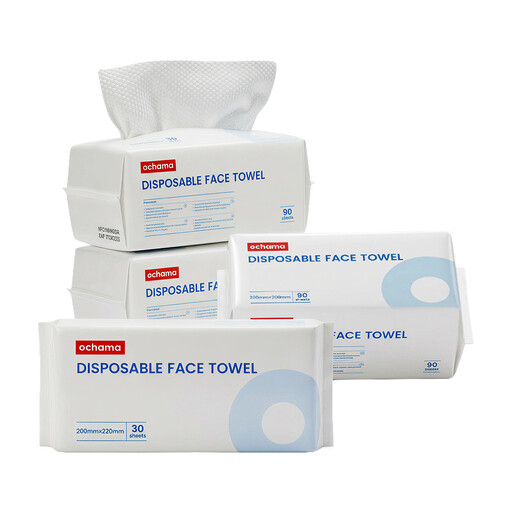
Why This Fits Their Persona: A practical starting point for regular facial cleansing, hand drying and make-up removal at home or while travelling.
The listing states the total quantity clearly: 90 sheets across three packs plus 30 additional sheets, rather than leaving the pack structure unclear.
200 × 200 mm sheets; viscose/lyocell blend; pearl texture; suitable for wet or dry use.
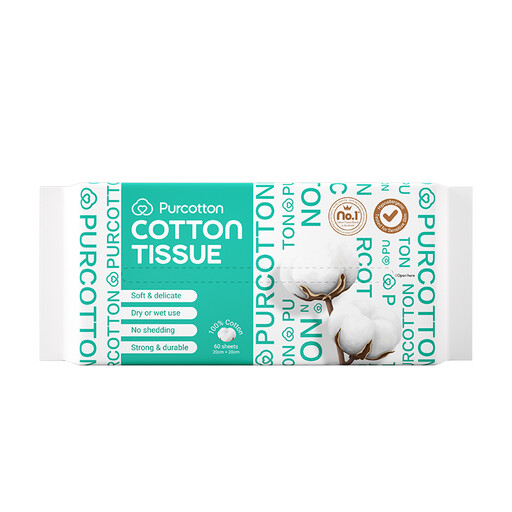
Why This Fits Their Persona: Suits shoppers who want a clearly stated cotton composition for facial cleansing, baby care and occasional household use.
The material is specified as 100% natural cotton, helping buyers distinguish it from products using “cotton-like” wording.
100% cotton; dry and wet use; described as free from fragrance, alcohol and fluorescent brighteners.
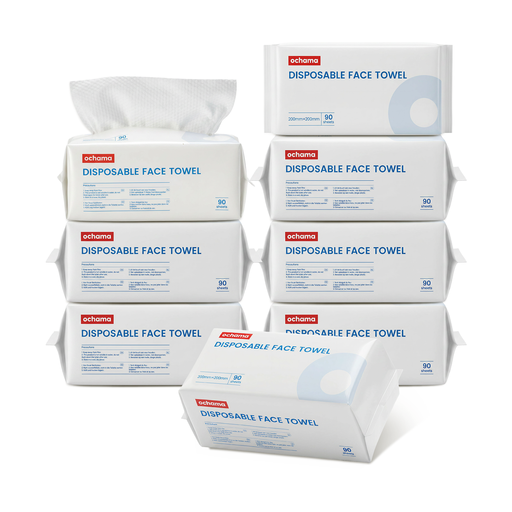
Why This Fits Their Persona: Designed for busy households, frequent skincare routines and shoppers wanting an extra-large family stock pack.
The listing gives both the total quantity and format: eight packs of 90 sheets, making storage and usage planning easier.
720 total sheets; plant-fibre non-woven material; pearl-embossed surface; wet and dry use.
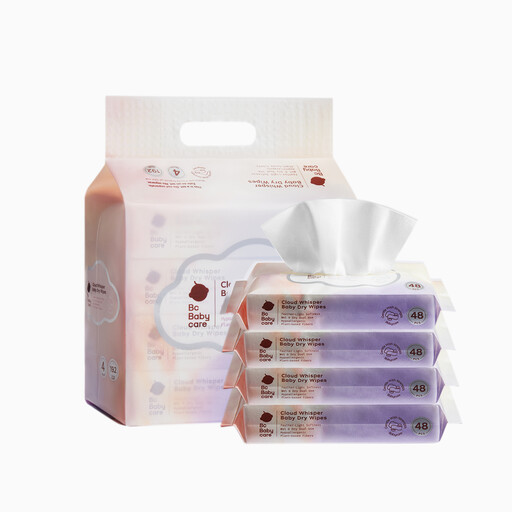
Why This Fits Their Persona: A versatile option for families using dry wipes or adding clean water for babies, adults with sensitive skin and everyday messes.
The supplied specification identifies the fibre content and states that the wipes are free from alcohol, parabens and fragrance.
100% viscose fibres with glycerin; 48 sheets × 4 packs; 200 × 200 mm; wet and dry use.
For dry use, remove one sheet and wipe gently without rubbing. For wet use, add clean water until the towel reaches the preferred dampness. Use a separate sheet for removing make-up, drying hands or cleaning household surfaces.
When caring for a baby or someone with sensitive skin, avoid sharing a used towel between areas. Check the packaging before use and discard any sheet from damaged packaging or one that appears discoloured or has an unusual odour. Keep products away from children, pets, heat and open flames.
Pre-moistened baby face wipes are convenient for changing bags and travel, while dry towels can be more flexible because you control the water used. Neither type should be flushed down a toilet.
We have compiled a complete, real-time list of products that fully satisfy these strict selection criteria and UK safety regulations.
They can reduce the need to store and wash a damp cloth between uses because each towel is intended for single use. Hygiene still depends on clean hands, dry storage and correct disposal. They should not be reused or flushed.
Yes, many dry and wet face wipes are listed for make-up removal. A dry towel can be dampened with water, while a pre-moistened wipe is ready to use. For eye make-up, avoid direct contact with the eyes and follow the product instructions.
This depends on household size and whether one or several sheets are used per routine. Divide the total sheet count by your estimated daily use. For example, a 300-sheet pack used at two sheets per day would last approximately 150 days, although separate uses for baby care or cleaning will shorten that period.