
24/7 Customer Support

Free returns

Same-day & Next-day Delivery

Quality Guaranteed

Unlock Your Welcome Offers: FREE Delivery | Up to 80% OFF | Free 30-day JoyPlus trial
Download the APP
Disposable facial cleansing towels can be useful for daily skincare, makeup removal, travel and family routines. They offer a fresh sheet for each use, while reusable facial towels and cotton muslin washcloths can reduce ongoing waste when washed correctly.
However, product pages do not always make comparisons straightforward. Sheet counts, material names and “extra-soft” descriptions can hide important differences. The following guide explains what UK shoppers should check before buying, followed by product suggestions for different household needs.
A pack advertised as “300 sheets” may contain several smaller packs, while another product may offer fewer sheets in larger bundles. Compare:
For example, a compact 160-sheet pack may be more convenient for travel, whereas a 720-sheet family stocking pack may reduce the frequency of reordering.
Some disposable face towels use plant fibres, cellulose, viscose, rayon or other non-woven materials. These can feel different from woven cotton. A product described as a “soft cotton towel” may still require checking the full material list.
If material transparency matters, look for wording such as 100% cotton, 100% cotton muslin or a clearly stated plant-fibre composition. This helps distinguish disposable facial towels from reusable cloths and prevents confusion when shopping for soft face wipes for sensitive skin.
Wet and dry face wipes or towels can be used with water, but they are not necessarily pre-moistened facial cleansing wipes containing a cleanser. For makeup removal, you may still need micellar water or another suitable product. Always check whether the sheet is intended for dry wiping, damp use or both.
Used towels and wipes should go into a suitable waste bin. Do not flush disposable facial cleansing towels, even when they have been used with water.
Non-woven facial towels are formed from fibres bonded into a sheet rather than woven like a conventional flannel. They may be made from plant fibres, cellulose, viscose or rayon. Pearl embossing can provide a textured side for wiping and a smoother side for gentler contact, but texture preference is personal.
For reusable options, 100% cotton muslin is breathable and washable. Six-layer muslin can offer more absorbency than a thin single-layer cloth, although it may take longer to dry.
Larger sheets provide more coverage for removing cleanser, drying the face or wiping hands. One listed disposable option measures 200 × 200 mm, while some XL facial cleansing towels are marketed in larger formats. Check the actual dimensions rather than relying only on “XL”.
Absorbency also depends on thickness and fibre construction. A thicker sheet may be more practical for removing water after cleansing, but a thinner sheet can take up less storage space in a wash bag.
A hanging or pull-out design can be convenient in a small UK bathroom, gym locker or bedroom. For travel, individually sealed or compact multi-pack formats can help keep unused sheets dry.
Keep disposable towels in a cool, dry place, away from direct sunlight and bathroom moisture. Damp storage can affect the sheet’s condition before use. For babies and young children, keep packs out of reach to reduce choking risks.
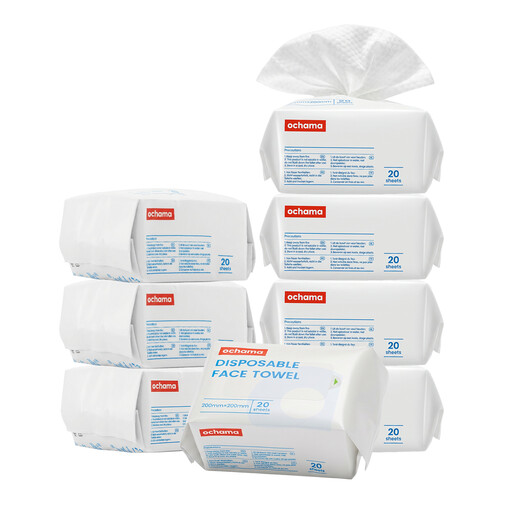
Why This Fits Their Persona: The eight-pack format offers a practical starting point for individuals, couples or small households, with compact packs suited to gym bags and short trips.
The listing states 20 sheets per pack and 8 packs in total, making the quantity easier to compare than an unclear bulk bundle.
Plant-based rayon material; pearl texture on one side and a smooth side for different wiping preferences.
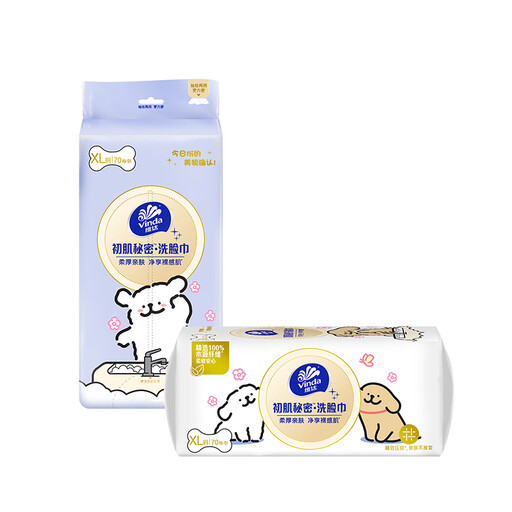
Why This Fits Their Persona: The XL format and six-pack case suit shoppers who prioritise generous coverage and a regular supply for home skincare routines.
The listing specifies both the XL format and 70 sheets per pack, reducing uncertainty about the advertised size and quantity.
XL sheets; six packs included for ongoing household use.
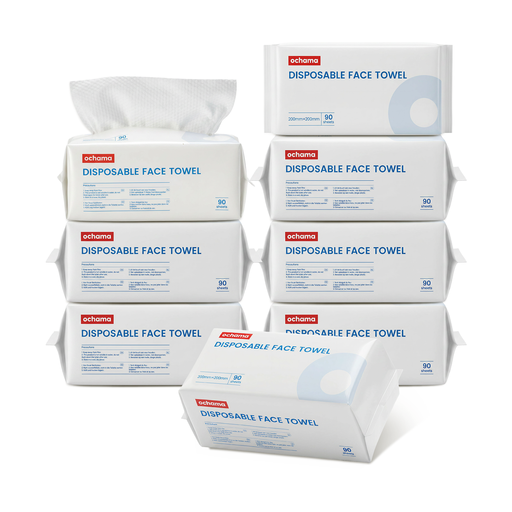
Why This Fits Their Persona: A larger family or busy household can keep multiple 90-sheet packs in bathrooms, bedrooms or travel storage.
The pack clearly states 720 sheets, made up of 90 sheets across 8 packs, so the bulk quantity is transparent.
Plant-fibre non-woven material; suitable for dry or damp use and makeup removal.
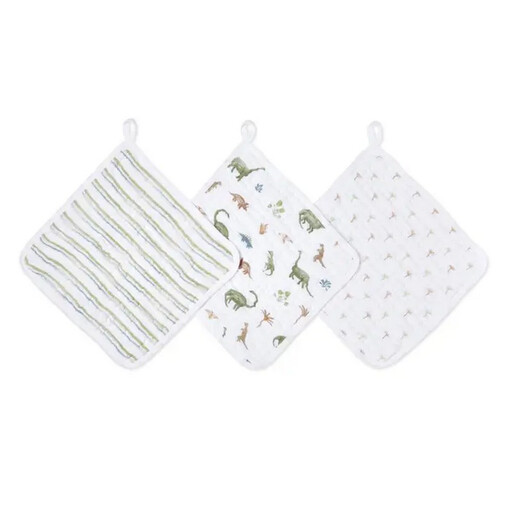
Why This Fits Their Persona: Washable cotton muslin washcloths work for families who prefer a reusable option for face washing, bath time and wiping hands.
The reusable format avoids single-use disposal, while the care instructions make washing and drying requirements clear.
100% cotton muslin; 30 × 30 cm cloths with hanging loops for drying.
Choose disposable facial cleansing towels when convenience, portability and a fresh sheet for each routine are priorities. They can be useful after exercise, during travel or when several family members need separate towels.
Choose reusable facial towels, baby washcloths or newborn bath towels when you have reliable laundry and drying space. The six-layer cotton set, for instance, contains two 70 × 140 cm towels and is designed for machine washing at 40°C. Follow the care label, avoid unsuitable bleach and allow fabric to dry fully between uses.
Some are designed for makeup removal, but they may work more effectively when dampened with water or used alongside a suitable cleanser. Check the product instructions and avoid rubbing the eye area heavily. Stop using any product if irritation occurs.
They are intended for single use, so their practical lifespan is one cleansing or wiping session. Store unopened packs away from moisture and discard any sheet that appears damaged, discoloured or contaminated.
Reusable cloths can reduce repeat purchases, but their running cost includes water, detergent, energy and drying time. Disposable towels may be more convenient for travel or occasional use. Compare the price per use, washing routine and storage needs rather than relying only on the initial pack price.
We have compiled a complete, real-time list of products that fully satisfy these strict selection criteria and UK safety regulations.