
24/7 Customer Support

Free returns

Same-day & Next-day Delivery

Quality Guaranteed

Unlock Your Welcome Offers: FREE Delivery | Up to 80% OFF | Free 30-day JoyPlus trial
Download the APP
Reusable flannels can collect oil, cleanser residue and bacteria when they are not washed and dried properly. That is why disposable facial cleansing towels appeal to people with sensitive skin, busy routines, gym memberships and frequent travel. They can also be useful for make-up removal, baby care and professional beauty settings.
However, not every single-use face towel offers the same comfort or practicality. A low price may hide small sheets, weak absorbency or packaging that is difficult to store. Before buying, check the material, dimensions, pack quantity and disposal instructions rather than relying on broad claims such as “natural” or “eco-friendly”.
Plant-based fibres may reduce reliance on conventional synthetic materials, but biodegradable and compostable are not interchangeable terms. The conditions and timescale for breakdown can vary. Look for clear material information, such as 100% plant-based viscose or natural fibres, and follow the manufacturer’s disposal guidance.
Packaging also matters. A plastic-free box or tube can reduce unnecessary packaging, but it does not automatically mean the used towel belongs in household recycling or food-waste collections.
A pack containing more sheets is not necessarily better value if each towel is small. Facial towels measuring around 30 × 25 cm offer a practical surface for cleansing, while XL facial towels may be more convenient for removing cleanser, make-up or skincare products in one pass.
For travel, compressed towels look economical because they occupy little space before use. Remember that they require access to clean water and may be less convenient if you need a ready-to-use wipe.
Terms such as “gentle” and “hypoallergenic” describe intended product positioning, not a guarantee that every person will have the same experience. Check the fibre type, texture and any added ingredients. Plain, water-activated towels are often easier to assess than fragranced facial cleansing wipes.
If irritation develops, stop using the product and seek appropriate medical advice. Avoid using these products as a substitute for medical treatment or prescribed skincare.
For delicate daily cleansing, look for soft non-woven fabric or plant-based viscose. A textured surface can help lift away oil, make-up and impurities, but an overly rough texture may feel uncomfortable. Pearl-texture designs, such as the one used on the YIJINCHAN 60-sheet box, aim to provide more cleansing grip without relying on scrubbing.
Those comparing disposable face cloths, make-up removal towels and facial cleansing wipes should also check whether the product is dry or pre-moistened. Dry towels allow you to use water and your preferred cleanser, while pre-moistened wipes are more convenient but may contain additional ingredients.
A towel should be large enough to wipe the face without folding repeatedly. Common useful dimensions include:
Absorbency is particularly relevant when applying toner, drying the face or removing a cleansing balm. A towel that tears when wet can create unnecessary waste, so product construction matters as much as sheet count.
Paper boxes and tubes are convenient for bathroom storage, while individually wrapped compressed towels can suit handbags, gym kits and luggage. Store dry products in a cool, dry place so they remain ready for use.
Used towels should generally go into a suitable waste bin. Do not flush disposable or compressed towels, even if they appear thin or biodegradable, unless the product packaging specifically states otherwise and local guidance permits it.
The right option depends on how and where you intend to use it. These selections match different requirements rather than presenting one product as suitable for everyone.
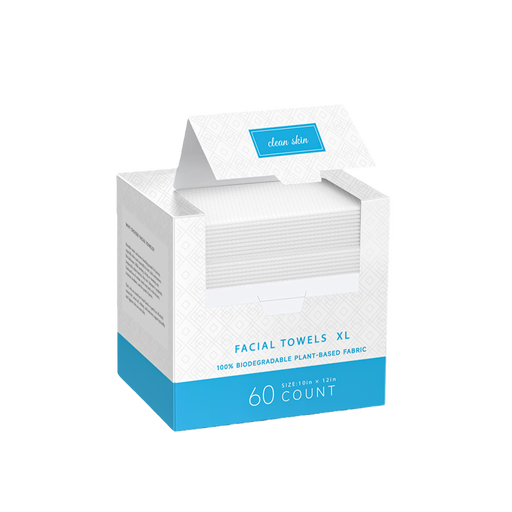
Why This Fits Their Persona: A straightforward option for shoppers replacing reusable face cloths at home, with 60 sheets in a paper box for regular facial cleansing and make-up removal.
The listing specifies the sheet count, 30 × 25 cm size and 100% plant-based viscose, so buyers can assess the pack beyond its headline claims.
Plant-based viscose; pearl-texture surface; plastic-free paper box; suitable for dry or water-assisted use.
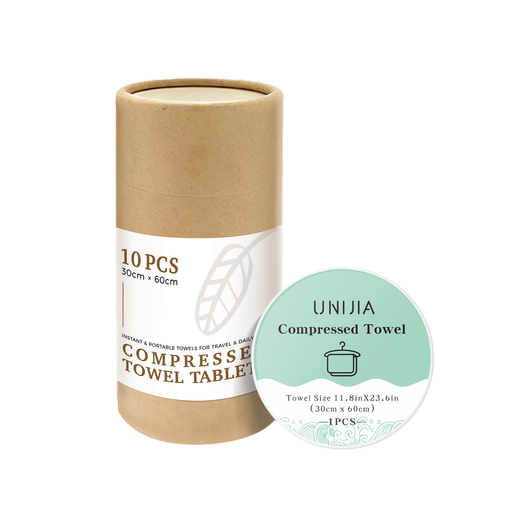
Why This Fits Their Persona: A compact choice for travellers, office workers and gym-goers who want a larger towel after adding water.
The expanded size is stated as 30 × 60 cm, while the 10 individually wrapped tablets make the pre-use storage format clear.
100% plant-based fibre; plastic-free paper tube; individually wrapped tablets; expands with water.
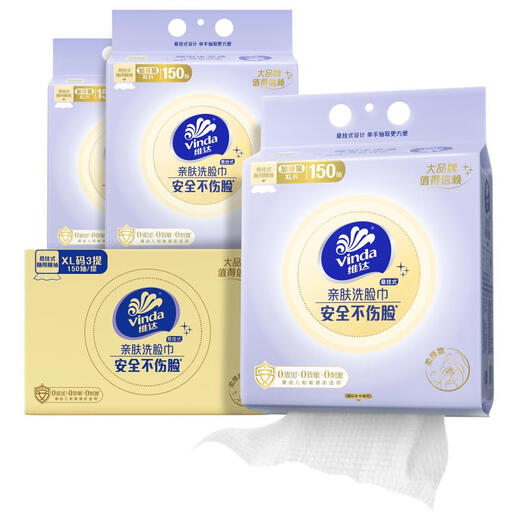
Why This Fits Their Persona: The case format suits households, salons, accommodation providers and other settings requiring a larger ongoing supply of XL facial towels.
The listing identifies the XL format, 150 sheets per bundle and three bundles per case, helping bulk buyers calculate stock requirements.
XL sheet format; 150 sheets per bundle; three-bundle case supplied for higher-volume use.
We have compiled a complete, real-time list of products that fully satisfy these strict selection criteria and UK safety regulations.
They remove the need to wash and dry a cloth after each use, which can be convenient for people managing busy routines. Hygiene still depends on clean hands, clean water and proper storage before use. A reusable cloth can also be suitable when washed and dried according to its care instructions.
Yes. Compressed towels activate with water and can be used for wiping the face, drying or applying skincare. If you are removing make-up or heavier oil, adding a compatible cleanser may be more effective. Always avoid the eye area unless the product instructions indicate otherwise.
Place used towels in general waste unless the packaging gives different, locally appropriate guidance. Do not flush disposable face cloths or compressed towels, as they may contribute to blocked pipework. For biodegradable face towels, check the exact disposal instructions rather than assuming they can go into a compost or recycling bin.