
24/7 全天候客户支持

免费退货

当日/次日达

品质保障

开启新人专享福利: 全场免邮 | 低至 2 折 | 免费试用 30 天 JoyPlus 会员
下载 Joybuy
Whether you're a professional in healthcare, a chef in a busy kitchen or simply tackling the washing up at home, the right pair of gloves is a non-negotiable part of your toolkit. Yet, the market is flooded with options, and choosing incorrectly can lead to wasted money, poor protection or even skin irritation. As a Joybuy Product Recommendation Officer, my role is to help you navigate the choices and find the right fit for your needs without the marketing fluff.
Before you add a box of gloves to your basket, it's crucial to understand the common pitfalls. Many shoppers fall into traps that leave them with a product that is unfit for purpose.
To avoid these pitfalls, focus on a few core parameters. Getting these right ensures you buy a product that performs as expected, providing the protection and comfort you need.
The material is the most critical factor, dictating durability, comfort and safety.
Beyond the base material, several features can significantly enhance a glove's usability.
To help you make a practical choice, we've matched some reliable options to common user needs.
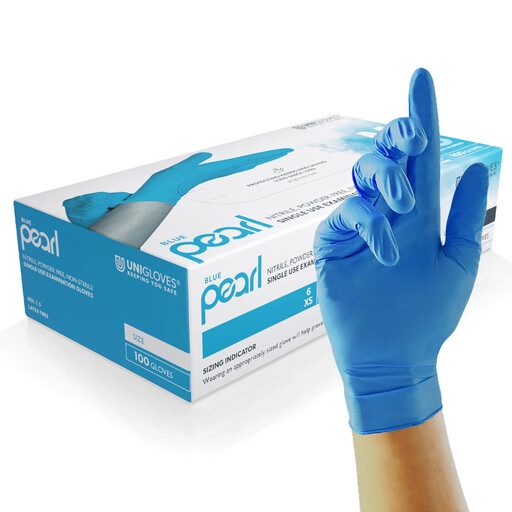
Why This Fits Their Persona: For professionals in healthcare, food service or body art, hygiene is non-negotiable. These gloves meet medical standards (AQL 1.5), are suitable for contact with all food types and the blue colour is standard in kitchens for easy identification.
This is a purpose-built professional product, not a generic glove. Its latex free nitrile construction eliminates allergy risks and its food-safe rating is comprehensive, avoiding the pitfall of using an unsuitable material with food.
High-purity nitrile offers good chemical resistance and conforms to the hand for enhanced dexterity. The gloves are also touchscreen compatible, improving efficiency.
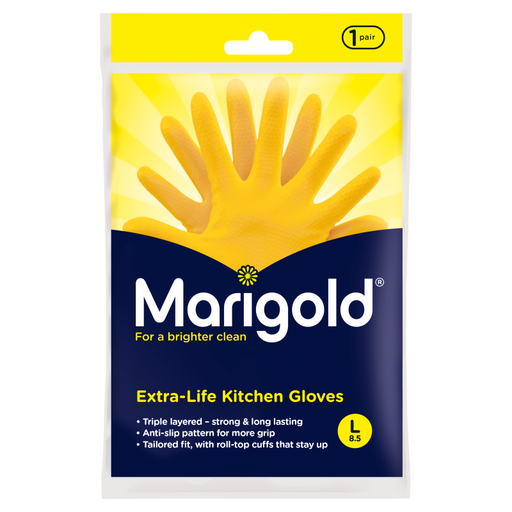
Why This Fits Their Persona: For daily household chores like washing dishes and scrubbing surfaces, durability and comfort are key. These reusable gloves are designed to withstand household cleaning chemicals and warm water, protecting hands and nails.
It sidesteps the "one-glove-fits-all" trap by being a purpose-built washing up glove. Its triple-layer design is far more robust than a disposable glove, preventing the tears and poor protection that come from using the wrong tool for the job.
The cotton lining provides comfort and prevents sweaty hands during prolonged use. The roll-top cuffs stay up to stop water from getting inside and an anti-slip pattern ensures a secure grip.
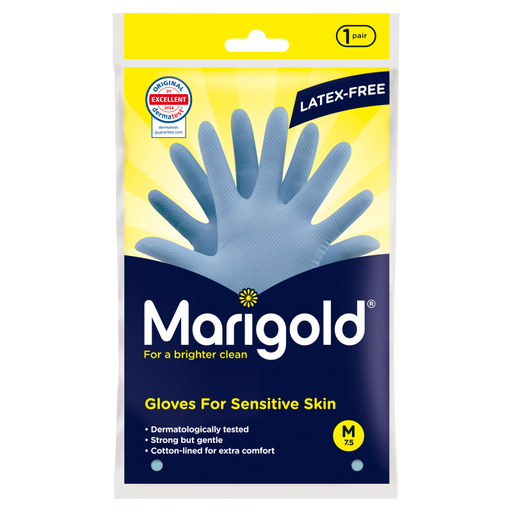
Why This Fits Their Persona: Anyone who experiences irritation, dryness or allergic reactions from standard gloves needs a specialised solution. These gloves are specifically designed for sensitive skin, offering protection during household cleaning without causing discomfort.
This product directly confronts the pitfall of ignoring material sensitivities. By being explicitly latex-free and dermatologically tested, it provides a safe and reliable alternative for users who cannot tolerate standard rubber gloves.
The combination of a latex-free material and a soft cotton lining offers a dual layer of comfort, reducing friction and moisture build-up while protecting skin from detergents.
We have compiled a complete, real-time list of products that fully satisfy these strict selection criteria and UK safety regulations.
1. Are nitrile gloves better than latex gloves? This depends entirely on the application. For tasks requiring high chemical resistance, durability and for users with allergies, nitrile gloves are generally the superior choice. They are the standard in most medical and food preparation environments. However, for tasks where maximum touch sensitivity and flexibility are needed, some users prefer the fit and feel of latex, provided they do not have an allergy.
2. Can you wash and reuse disposable gloves? No. Disposable gloves are designed and certified for single use only. Washing them can create microscopic tears that compromise the protective barrier and it fails to eliminate all contaminants, creating a risk of cross-contamination. Always dispose of them responsibly after one use.
3. What does 'AQL' on a box of gloves mean? AQL stands for Acceptable Quality Level. It is a statistical quality control standard used to determine the percentage of pinhole defects in a batch of gloves. A lower AQL number indicates a higher quality, more reliable glove with fewer defects. For medical or examination-grade gloves, an AQL of 1.5 is a common and trusted standard.