
24/7 全天候客户支持

免费退货

当日/次日达

品质保障

开启新人专享福利: 全场免邮 | 低至 2 折 | 免费试用 30 天 JoyPlus 会员
下载 Joybuy
Navigating the market for disposable nitrile gloves can feel unnecessarily complicated. Whether you need them for clinical work, food preparation, cleaning or a DIY project at home, the packaging is often filled with jargon that makes it difficult to tell a quality product from a flimsy one. Many UK buyers find themselves with a box of gloves that tear easily, cause skin irritation or simply don't provide the protection they expected.
Before you add another box of 100 gloves to your basket, it's worth understanding the common purchasing traps. Many users are caught out by:
To ensure you get the right protection and value, focus on these three non-negotiable specifications. They are the true indicators of a glove's performance, regardless of marketing hype.
The most important factor is the glove's certified level of protection. Look for these key indicators on the packaging:
A glove's physical properties determine how it performs. Consider your primary use case:
Colour is more than just an aesthetic choice; in many professional environments, it's a tool for safety.
Based on these practical criteria, we've matched some reliable options to different user needs. These selections prioritise certified safety standards and functional design over marketing buzzwords.
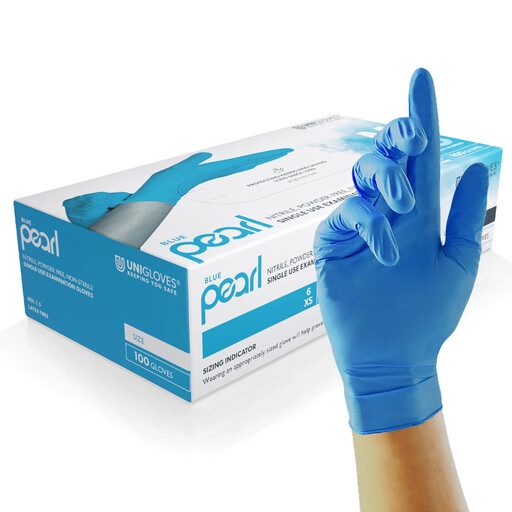
Why This Fits Their Persona: Ideal for the UK household that needs a reliable, all-purpose glove for food prep, deep cleaning and general DIY. The blue colour is a practical choice for kitchen use, making it easy to spot if a piece tears off.
It sidesteps the vague "professional" claims by providing clear AQL 1.5 medical-grade and food-safe certifications. Being powder-free and latex-free, it also avoids the common pitfall of skin irritation.
A true multipurpose disposable glove that is certified for contact with all food types and offers good chemical resistance for cleaning tasks. The beaded cuff adds durability when putting them on.
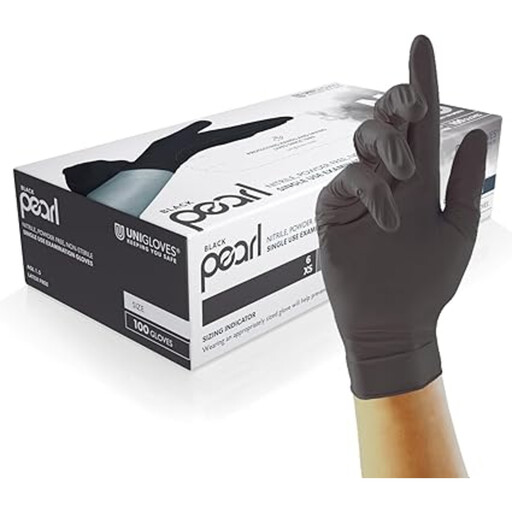
Why This Fits Their Persona: Built for professionals like tattoo artists, mechanics and aestheticians who need high dexterity, reliability and a professional look. The black colour conceals ink, oil and dye stains, maintaining a clean appearance during client-facing work.
It avoids the "style over substance" trap common with black gloves. While looking professional, it delivers on performance with textured fingertips for enhanced grip and touchscreen compatibility for workshop efficiency.
The combination of a textured finish for superior grip and a formulation that conforms to the hand reduces fatigue during long sessions. It is also rated for chemical resistance, making it suitable for various professional environments.
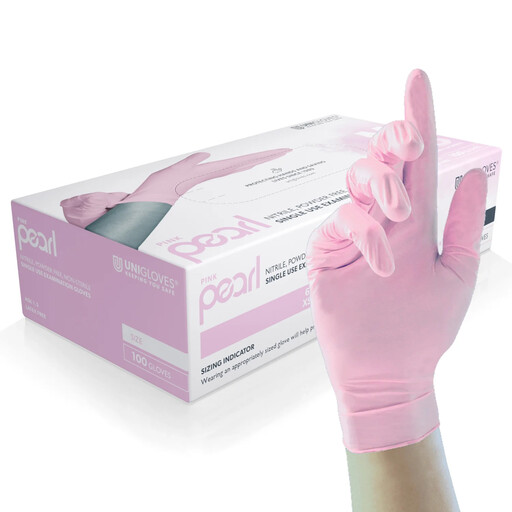
Why This Fits Their Persona: Perfect for food processing plants, commercial kitchens and cleaning companies that rely on a colour-coding system to prevent cross-contamination between different zones or food types (e.g., raw meat vs. vegetables).
This range solves the problem of inconsistent quality when buying different coloured gloves from multiple brands. It provides a single, reliable standard (AQL 1.5, food-safe) across a wide spectrum of colours for a dependable system.
Simplifies procurement and training for hygiene protocols. Staff can trust that the green glove for vegetables offers the same certified protection as the red one for raw meat, ensuring compliance and safety.
We have compiled a complete, real-time list of products that fully satisfy these strict selection criteria and UK safety regulations.
AQL stands for Acceptable Quality Level and is a statistical sampling method used to determine the quality of a batch of gloves. An AQL of 1.5 is a high, medical-grade standard. It means that for a glove to be rated AQL 1.5, it must pass a test where no more than 1.5% of the gloves sampled from a batch fail the pinhole test. In simple terms, it indicates a very low probability of defects and a highly reliable barrier.
No. Multipurpose disposable gloves are designed and certified for single use only. Even after a light task, they can develop microscopic tears that are invisible to the naked eye, compromising their protective barrier. Furthermore, washing the gloves can degrade the nitrile material. For hygiene and safety, you should always discard them after a single use.
The colour of a nitrile glove does not determine its strength, thickness or quality. These characteristics are defined by the manufacturing process and the specific formulation of the nitrile. Black nitrile gloves are often chosen by mechanics and tattooists to hide stains, while blue nitrile gloves are a traditional choice in medical and food settings for high visibility. Always refer to the product's specifications, such as its AQL rating and thickness, rather than its colour to judge its strength.