
24/7 Customer Support

Free returns

Same-day & Next-day Delivery

Quality Guaranteed

Unlock Your Welcome Offers: FREE Delivery | Up to 80% OFF | Free 30-day JoyPlus trial
Download the APP
Heavy bleeding, overnight movement and postpartum recovery can make ordinary sanitary pads feel unreliable. Disposable period underwear for heavy flow offers a pull-on alternative, but product listings do not always make the important differences clear.
Before buying, look beyond phrases such as “leak-proof” or “all-day protection”. The absorbent core, fit, pack size and disposal instructions have a greater effect on everyday usability.
Some products state that they can absorb the equivalent of several regular pads. This is a useful comparison, but it is not a promise that every wearer can use one pair for the same number of hours. Flow rate, movement, body shape and fit all affect performance.
Treat statements such as “up to 12 hours” as a product guideline rather than a fixed schedule. Change the pants earlier if they feel wet, full or uncomfortable.
A size such as M, L or XXL is not consistent across every manufacturer. Plus-size period pants and maternity knickers may have different waist and hip measurements, while low-rise designs may sit differently from high-waisted styles.
Always compare your measurements with the individual product size chart. A loose leg opening can allow leakage, while an overly tight waistband may cause rubbing during long periods of wear.
The category includes women's disposable period pants, reusable menstrual underwear and incontinence products. These are not interchangeable.
Disposable menstrual underwear should normally be discarded after use and must not be flushed. Reusable options need washing, drying and storage between uses. Also check whether a product is specifically designed for menstrual fluid, postpartum discharge or bladder leakage, as the intended use can differ.
For period pants for heavy bleeding, look for clear information about the absorbent structure. A dual-core or multi-layer design may include:
SUNKISS listings describe a dual-core design with FSC-certified pulp and an absorption comparison of up to four regular pads. MOLLIS listings describe a five-layer core with a similar pad-equivalent comparison. These are stated product specifications, not a guarantee of identical performance for every wearer.
For overnight period underwear, side protection matters as much as the central gusset. Look for anti-leak barriers, raised edges and elasticised leg openings. A 360° or curve-hugging construction may help the garment stay close to the body when sleeping or walking, but it still needs to fit correctly.
A low-rise cut can be discreet under jeans or fitted clothing. A high-waisted design may feel more secure around the abdomen, particularly when selecting postpartum disposable underwear. Consider which position is comfortable rather than assuming one cut suits every body.
Extra-soft, breathable non-woven fabric can be more comfortable during extended wear. Shoppers with fragrance sensitivities may prefer unscented period underwear, such as the unscented SUNKISS options listed below. Check the packaging for the full materials list and stop using the product if irritation develops.
Pack quantity also affects the practical cost. A 3-pack may suit occasional overnight use, while 8-, 10- or 16-count packs can be more convenient for a full cycle or travel. Individually wrapped pants are useful for keeping spare pairs in a handbag, hospital bag or luggage.
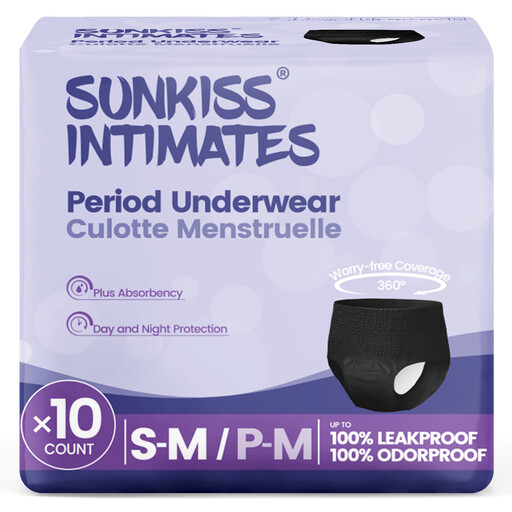
Why This Fits Their Persona: A 10-count pack gives first-time shoppers enough pairs to try disposable protection across heavy-flow or overnight days without committing to a larger quantity.
The listing identifies the size, count, low-rise cut and unscented design, making the main purchase details easier to check before ordering.
Unscented construction; 10 pairs per pack; low-rise 360° curve-hugging design.
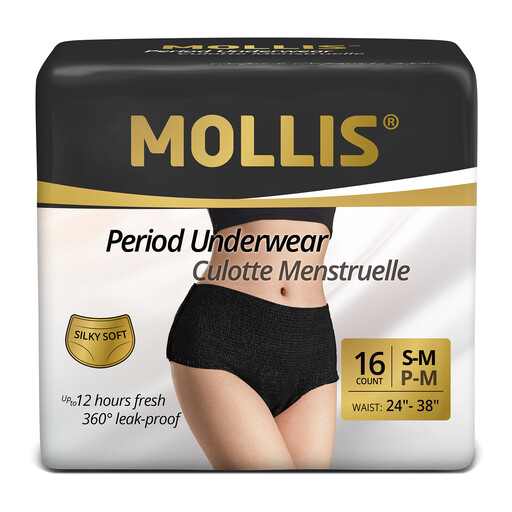
Why This Fits Their Persona: The larger pack suits shoppers who want a ready supply for several heavy-flow days, overnight use or a planned trip.
Its listing specifies a five-layer absorbent core, extended core and raised side guards rather than relying only on a broad “leak-proof” label.
Five-layer core; individually packaged pairs; raised side edges and triple-stretch waistband.
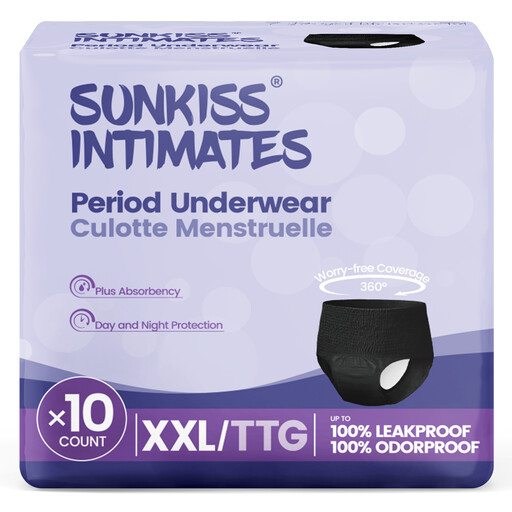
Why This Fits Their Persona: The larger size and stated heavy-flow, overnight and postpartum use make it a practical option for shoppers prioritising coverage and a close fit.
The listing gives a specific XXLarge option and identifies anti-leak barriers and elasticised leg openings, which are relevant to movement and overnight positioning.
Dual-core absorbent layer; anti-leak barriers; available in a larger size.
Put disposable pants on like regular underwear and ensure the gusset sits centrally. Carry a spare pair when travelling, particularly if you expect limited access to toilets. Wrap used pants and place them in a general waste bin according to local arrangements. Do not flush them.
For postpartum use, check with your midwife or healthcare professional if you have concerns about bleeding, pain, odour or skin irritation. Disposable underwear can support convenience, but it does not replace medical advice.
We have compiled a complete, real-time list of products that fully satisfy these strict selection criteria and UK safety regulations.
Wear time depends on flow and the product instructions. Some listings state protection of up to 12 hours, but heavy bleeding may require more frequent changes. Replace the pants when they feel full, damp or uncomfortable.
Yes, products with an extended absorbent core, anti-leak barriers and elastic leg gathers are designed with overnight use in mind. Choose the correct size and consider carrying a spare if your flow is particularly heavy.
Some products are listed for postpartum recovery and maternity use. However, postpartum bleeding varies considerably. Follow the product instructions and seek professional medical advice if bleeding becomes unusually heavy or you experience irritation, pain or other concerning symptoms.