
24/7 全天候客户支持

免费退货

当日/次日达

品质保障

开启新人专享福利: 全场免邮 | 低至 2 折 | 免费试用 30 天 JoyPlus 会员
下载 Joybuy
Disposable period underwear can be useful when you want the coverage of a pad with the fit of ordinary knickers. It is particularly practical for heavy flow, travel, overnight wear, postpartum recovery or days when changing conventional sanitary products is inconvenient.
However, product descriptions can make comparison difficult. Terms such as “leak-proof”, “all-day protection” and “high absorbency” do not always explain the construction, sizing or suitable usage conditions. Before buying disposable period pants for women, check the details below rather than relying on headline claims.
A product described as holding the equivalent of four regular pads is giving a useful comparison, but it is not a promise that every wearer can use one pair for the same length of time. Flow rate, movement, fit and sleeping position all affect performance.
For heavy flow period pants, look for details about the absorbent core, extended gusset, side barriers and elastic leg gathers. Change the product according to your flow and the instructions on its packaging.
A small, medium or XL label is not consistent between manufacturers. A close fit is important because gaps around the waist or legs can allow fluid to escape. Conversely, overly tight waistbands may cause rubbing and discomfort.
Always check the product’s own waist and hip measurements. This is especially important when looking for plus-size period pants, postpartum disposable underwear or maternity knickers, as body shape may change during and after pregnancy.
Some menstrual underwear is washable and designed for repeated use, while disposable period underwear is intended for one wear and then disposal. A reusable pair may cost more initially but can be used repeatedly; disposable options reduce washing and are convenient for hospital bags, holidays and busy periods.
Check whether the product is labelled single use. Do not flush disposable period pants or sanitary pads down the toilet. Place used products in a suitable household waste bin, following the packaging guidance.
For overnight period pants or high-absorbency period underwear, consider:
A disposable pair may suit heavy flow, but users with exceptionally heavy bleeding should monitor how quickly the product becomes saturated and change it sooner when required.
Look for an unscented option if you prefer to avoid added fragrance. Breathable non-woven fabric, a soft topsheet and moisture-management layers may make the product more comfortable during extended wear.
“Hypoallergenic” and “dermatologically tested” are product descriptions, not a guarantee that irritation is impossible. Stop using any product that causes discomfort, redness or irritation and follow the label advice.
Low-rise disposable underwear may sit discreetly beneath clothing, while a higher waistband can offer more coverage around the abdomen. For postpartum use, assess whether the waistband and leg openings feel comfortable and whether the product provides enough front-to-back coverage.
For overnight protection, choose a design with side guards and a sufficiently long gusset. For light spotting or everyday freshness, a panty liner may be more suitable and less bulky than menstrual underwear.
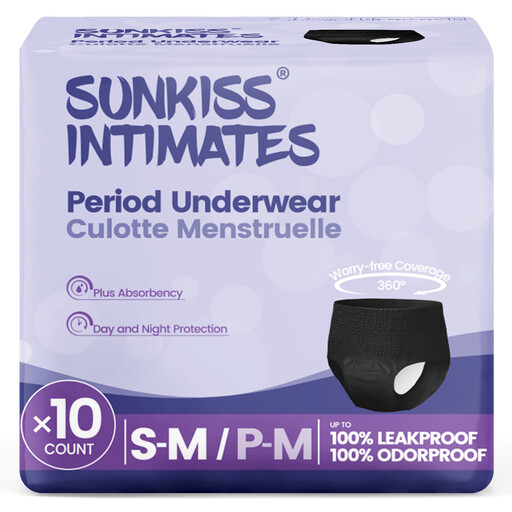
Why This Fits Their Persona: A 10-count pack offers a straightforward way to try disposable period underwear for heavy-flow days, travel or occasional overnight use.
The listing identifies a low-rise, unscented design and advises changing regularly rather than treating the stated absorbency as unlimited.
Unscented construction, black colour and pull-on styling; designed for heavy flow, overnight use and postpartum recovery.
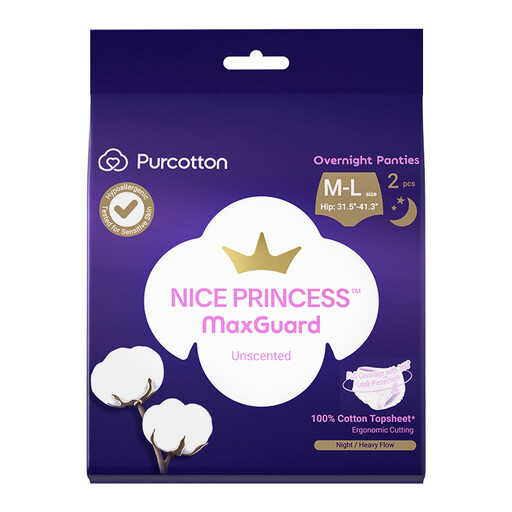
Why This Fits Their Persona: Suitable for shoppers prioritising a cotton topsheet, breathable construction and an overnight-specific cut for heavy-flow nights.
The listing provides a hip measurement range, product size and disposal instructions, helping shoppers check fit rather than rely only on “one-pull” marketing.
100% cotton topsheet, unscented format, full elastic coverage and 3D side guards.
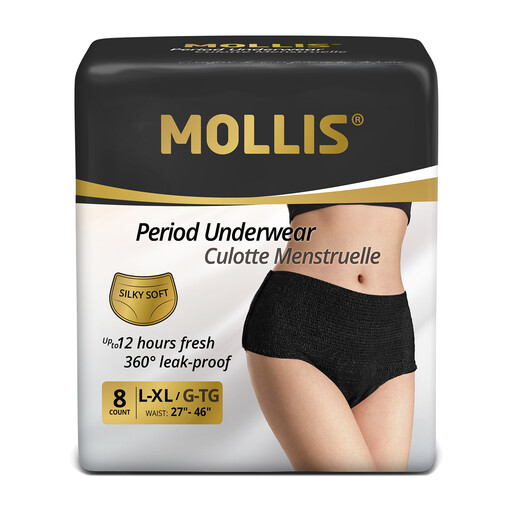
Why This Fits Their Persona: Designed for heavy-flow, postpartum and overnight scenarios, with individually wrapped pairs that are practical for a hospital bag or travel.
Its description specifies a five-layer absorbent core, extended core and raised side edges, giving more useful detail than a simple “leak-proof” label.
Five-layer core, triple-stretch waistband, breathable non-woven fabric and individually wrapped pairs.
We have compiled a complete, real-time list of products that fully satisfy these strict selection criteria and UK safety regulations.
Choose disposable period underwear when convenience, portability and no washing are the priorities. It can be useful after giving birth, during overnight travel or when laundry access is limited.
Reusable period underwear may suit regular use if you are prepared to rinse and wash it correctly. For example, washable styles should generally be rinsed in cold water and washed according to their care label. Avoid fabric softener or bleach where the manufacturer advises against them, as these can affect absorbency.
For light discharge or spotting, unscented period underwear may be more protection than necessary. A breathable panty liner, such as a 20-pack format, can be a simpler everyday option. Panty liners are not designed to replace heavy-flow protection or overnight period pants.
The appropriate time depends on your flow and the product instructions. Some listings state protection of up to 12 hours, but this is not a requirement to wear one pair for that full period. Change sooner if it feels wet, becomes full or causes discomfort.
Some products are listed for postpartum recovery, but comfort and coverage requirements vary after birth. Check the materials, size chart and packaging guidance, and seek advice from a midwife or healthcare professional if you have concerns about postpartum bleeding or irritation.
The cost per use depends on pack price, the number of changes needed and your flow. A larger pack may reduce the cost per pair, while a reusable option can spread its initial cost across multiple wears. Compare pack quantity, absorbency details and intended use rather than price alone.