
24/7 Customer Support

Free returns

Same-day & Next-day Delivery

Quality Guaranteed

Unlock Your Welcome Offers: FREE Delivery | Up to 80% OFF | Free 30-day JoyPlus trial
Download the APP
Choosing disposable plates sounds straightforward until a thin paper plate folds under a meal, a “compostable” option cannot be processed by your local council, or a bulk pack contains the wrong size for your event. UK households, party hosts, caterers and campers all have different tableware needs, so the right choice depends on material, portion size, heat resistance and disposal arrangements.
Before adding a pack to your basket, watch for these common buying traps.
A glossy finish or attractive colour does not automatically mean a plate will support a full meal. Lightweight paper plates may be suitable for cake and dry snacks but less dependable with curry, pasta sauce or oily barbecue food.
Look for practical details such as paperboard construction, a stated weight or density, and descriptions covering moisture resistance. Even then, check the warnings: some paper plates are unsuitable for hot liquids or very oily food over extended periods.
Terms such as recyclable, biodegradable and compostable can refer to different disposal routes. A plate may require commercial composting rather than a home compost bin, while food residue or coatings may affect whether it is accepted by a local facility.
For bamboo fibre plates and other compostable plates, check the packaging and your council’s guidance. Do not place items in the recycling bin simply because they are described as environmentally preferable.
Not every disposable plate is suitable for the microwave, oven or barbecue. Paper plates may be combustible, while some plastic plates are specifically unsuitable for microwave use. A 7-inch plate is useful for sides, desserts and children’s meals, but it may feel cramped for a main course.
Measure the serving you expect to provide. 9-inch paper plates, approximately 23cm wide, are a practical middle size for many lunches, buffet portions and party meals. Larger 10-inch plates provide more room but take up more storage space.
Common options include:
For UK use, retain the product instructions and follow any food-contact warnings. “Food grade” describes intended material use, but it does not remove the need to observe temperature, cleaning and handling guidance.
Round plates stack and transport easily, making them convenient for party hosts and caterers. Divided dinner trays are more suitable when foods need to remain separate, such as a child’s meal, packed lunch or portioned buffet.
Consider:
A deeper rim can reduce spills, especially when plates are being carried outdoors. For young children, a suction base or stable shape may be more useful than a larger diameter.
Buying bulk plates can reduce the cost per item, but only if you will use the pack. A pack of eight suits a small gathering or themed table setting, whereas a 50- or 100-pack is more appropriate for catering, school events, food trucks or a large family celebration.
Store paper and bamboo fibre plates in a cool, dry place. Moisture can cause warping before use, while direct sunlight may affect printed colours.
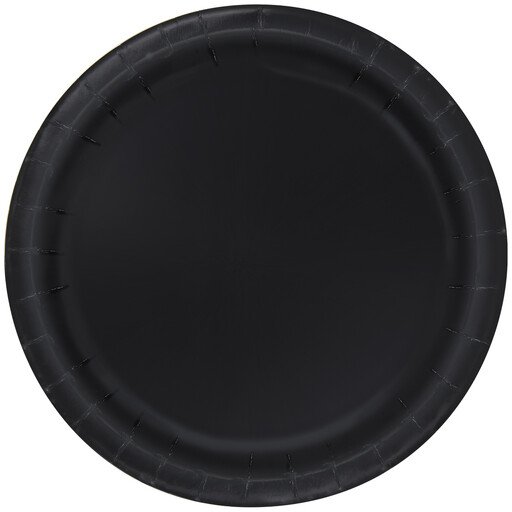
Why This Fits Their Persona: A manageable eight-piece pack suits a small birthday gathering, flat barbecue or themed dinner without committing to a large bulk purchase.
The 9-inch format is clearly stated, helping avoid buying small snack plates for main servings. The listing also includes warnings about microwave use, hot liquids and oily food.
Pack of eight; black solid colour; round paperboard design; suitable for indoor and outdoor party use when protected from moisture.
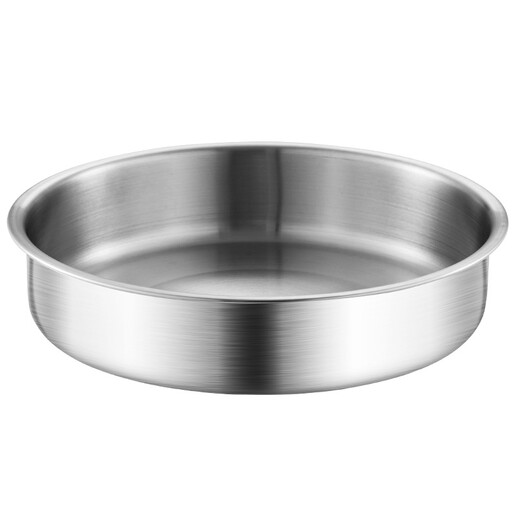
Why This Fits Their Persona: Suitable for households wanting washable tableware for repeated meals, kitchen use or outdoor dining rather than single-use plates.
The material and cleaning instructions are specified rather than implied. It is listed as dishwasher-safe and should be heated only according to the supplied guidance.
304 stainless steel; 24cm diameter; dishwasher-compatible; suitable for ovens, steam ovens and induction use when following safety instructions.
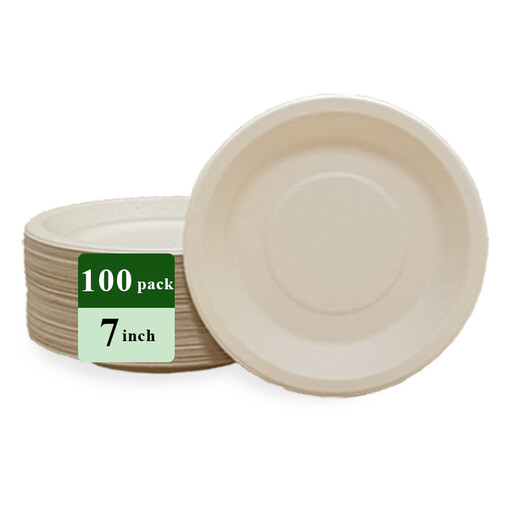
Why This Fits Their Persona: A 100-pack is practical for caterers, camping groups, picnics, food trucks and event planners serving many guests.
The pack quantity and 7-inch size are stated clearly, while microwave use is limited to reheating. Disposal should be checked with the relevant local facilities.
100 plates per pack; bamboo fibre material; leak-resistant design; listed as microwave-safe for reheating and suitable for outdoor use.
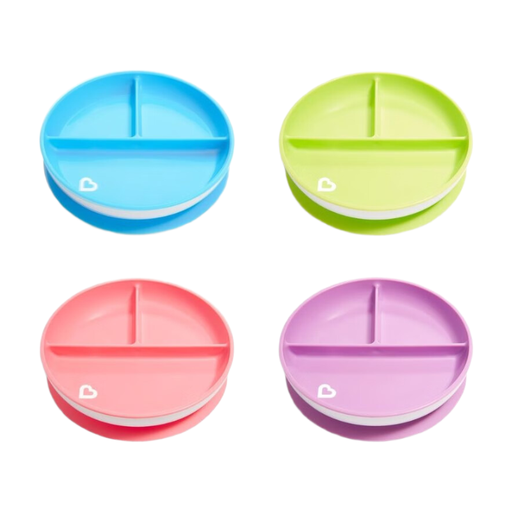
Why This Fits Their Persona: Designed for supervised feeding from six months, with sections for keeping different foods apart and a base intended for flat, smooth surfaces.
The suction base and quick-release tab address sliding and difficult removal. Food temperature, damage checks and adult supervision remain necessary.
Three divided sections; BPA-free polypropylene and silicone; top-rack dishwasher-safe; microwave use is listed, subject to checking food temperature.
We have compiled a complete, real-time list of products that fully satisfy these strict selection criteria and UK safety regulations.
Usually, 9-inch paper plates provide space for a standard main serving, sandwich, dessert or buffet portion. Suitability depends on the plate’s construction and the food. For saucy, oily or particularly heavy meals, choose a product with stated moisture resistance and follow its usage warnings.
Only when the product information specifically says so. The bamboo fibre option listed above is described as microwave-safe for reheating, while the paper party plates are marked as unsuitable for microwaves. Never use disposable plates in an oven or on an open flame unless the product instructions expressly allow it.
The answer depends on how often they are used. Reusable plastic plates can reduce repeated purchases for daily meals, children’s dining and picnics, but they require washing and may have restrictions on microwave or dishwasher use. Disposable plates can be more convenient for occasional parties or large events, particularly when cleaning facilities are limited. Compare pack size, storage, washing time and disposal requirements rather than just the shelf price.