
24/7 全天候客户支持

免费退货

当日/次日达

品质保障

开启新人专享福利: 全场免邮 | 低至 2 折 | 免费试用 30 天 JoyPlus 会员
下载 Joybuy
Hosting a party, planning a BBQ or managing a catering event often comes with one big question: how to handle the washing up? Disposable plates offer a convenient solution, but choosing the right ones can be surprisingly tricky. With so many options available, it is easy to end up with flimsy plates that buckle under pressure or "eco-friendly" choices that are not as green as they seem.
As the Joybuy Product Recommendation Officer, my role is to help you navigate these choices. This guide cuts through the clutter to focus on what truly matters, ensuring you get the right plates for your needs without wasting money on products that do not perform.
Before you add any pack of plates to your basket, be aware of these common traps:
To avoid disappointment, focus on these core specifications. They are the true indicators of a plate's performance and suitability for your event.
The material is the most critical factor. Each type is designed for different scenarios.
Consider what you will be serving before deciding on a size.
Based on these practical considerations, here are some recommendations matched to different needs.
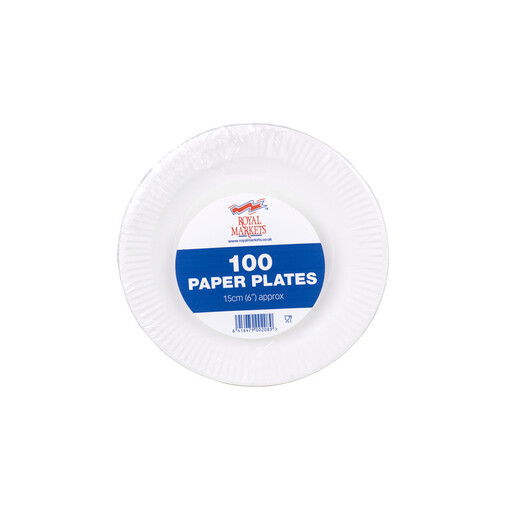
Why This Fits Their Persona: This bulk pack offers great value for children's parties, office gatherings or serving cake and snacks. The simple, no-frills design is practical for anyone needing a large quantity of plates without a high cost.
It avoids the "soggy plate" pitfall by being clearly positioned for its intended use—desserts and light snacks. The product information manages expectations by suggesting double-plating for heavier items, a practical tip for basic paper plates.
A generous pack of 100 provides excellent value. The 6-inch size is versatile for small portions, and the plates are recyclable and compostable where facilities permit.
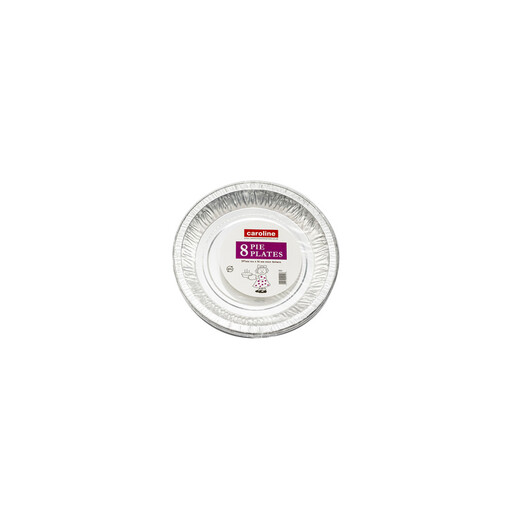
Why This Fits Their Persona: Perfect for those preparing pies, tarts or quiches for bake sales, family gatherings or batch cooking. It eliminates the need for washing up traditional bakeware and makes transporting baked goods simple.
This is a specialised tool, not a general-purpose plate. It avoids the pitfall of using the wrong product for the job. Its oven-safe aluminium construction is designed specifically for baking, ensuring it will not melt, burn or collapse in the oven.
The premium aluminium ensures excellent heat distribution for even baking. The plates are sturdy, recyclable and offer bake-and-serve convenience.
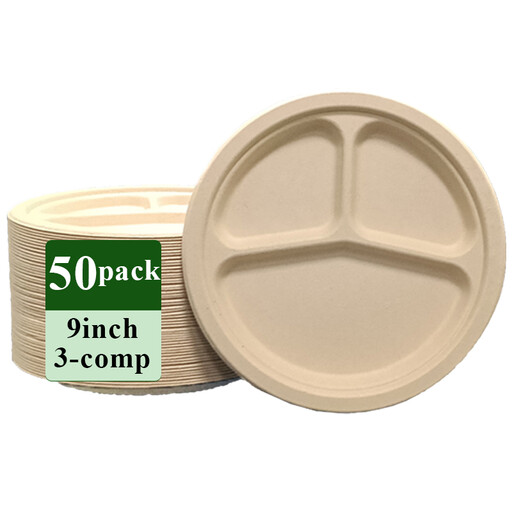
Why This Fits Their Persona: Ideal for hosts of buffets, BBQs or catered events where multiple food items are served. The compartments keep wet and dry foods separate, preventing soggy salads or sauces from running into everything else.
The three-compartment design inherently adds rigidity, directly countering the "soggy plate" problem. It also addresses the "eco" trap by being made from bamboo fibre, a specific renewable resource, rather than a vaguely defined "eco-friendly" material.
The compartment layout improves food presentation and practicality. The bamboo fibre construction provides a sturdy, plant-based alternative to traditional paper or plastic.
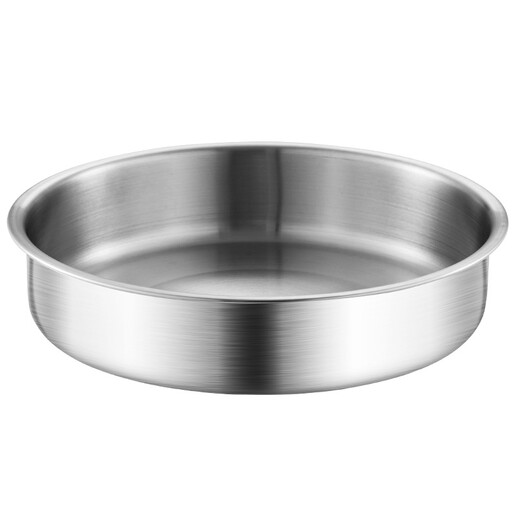
Why This Fits Their Persona: This is for someone who prefers a permanent solution. It is an unbreakable, reusable plate ideal for camping, outdoor dining or households with young children. It offers a long-term, waste-free alternative to disposables.
It completely sidesteps all the pitfalls of disposable plates. It is unbreakable, infinitely reusable and generates no waste. Made from 304 stainless steel, its quality and durability are clear and verifiable.
Constructed from food-grade 304 stainless steel, it is rust-resistant, corrosion-resistant and easy to clean. It is also compatible with ovens and induction cookers for reheating.
We have compiled a complete, real-time list of products that fully satisfy these strict selection criteria and UK safety regulations.
It is generally not recommended unless the packaging specifically states they are microwave-safe. Plain white paper plates may be suitable for very brief reheating of non-greasy foods. However, plates with plastic coatings, colourful prints or metallic details can pose a fire risk or leach chemicals when heated. Always check the manufacturer's guidance first.
It depends on your local waste disposal facilities. Plates made from renewable resources like bamboo or sugarcane are a positive step. However, many require industrial composting to break down properly. Before buying, check with your local council to see if they accept such items in your food or garden waste collections. If not, recyclable paper or foil plates that you can place in your household recycling might be a more practical environmental choice.
A safe estimate is to plan for 1.5 to 2 plates per guest for the main meal, which accounts for second helpings or any accidental drops. If you are also serving dessert, you will need an additional smaller plate for each guest. For a party of 50, this means aiming for 75-100 main party plates and 50 dessert plates. It is always wise to have more than you think you will need.