
24/7 全天候客户支持

免费退货

当日/次日达

品质保障

开启新人专享福利: 全场免邮 | 低至 2 折 | 免费试用 30 天 JoyPlus 会员
下载 Joybuy
For bladder leaks, postnatal recovery, heavy periods or overnight use, disposable protective underwear for women can offer more coverage than a conventional pad. However, packaging often focuses on phrases such as “maximum absorbency”, “all-day protection” or “odour control” without explaining how the product will perform for your body, flow level or daily routine.
The right choice depends on more than the number printed on the pack. Check the fit, absorbent construction, side barriers and intended use before buying.
A larger garment may provide more coverage, but it does not automatically hold more liquid. Absorbency depends on the core structure, absorbent polymer and backsheet design. Always select your size from the manufacturer’s measurements rather than sizing up purely for extra protection.
A loose waistband or leg opening can create gaps, while an overly tight fit may cause discomfort and increase rubbing. This is particularly important when choosing women’s incontinence underwear for extended daytime or overnight wear.
A stated duration is normally dependent on the amount and speed of fluid released, movement, body shape and correct positioning. It should not be treated as a promise that one garment will remain suitable for every user for 12 hours.
For hygiene and comfort, change disposable underwear when it feels wet, has reached capacity or becomes uncomfortable. Overnight incontinence pants may be suitable for longer periods of rest, but heavy leakage can still require an earlier change.
Incontinence underwear and disposable period underwear are designed around different fluid patterns. Menstrual protection may prioritise a longer back section and coverage while lying down, whereas incontinence products often focus on rapid liquid absorption and odour-control underwear features.
For heavy menstrual flow, compare the core length, raised edges and leg gathers. If you usually wear menstrual pads with wings, remember that a pull-up garment does not need adhesive wings to stay in place; its security comes from the waistband and elastic leg openings.
Look for a description of the absorbent materials rather than relying only on marketing language. Products in this category may use super absorbent polymer, wood pulp or FSC-certified pulp. These materials are intended to draw fluid away from the surface and retain it inside the core.
Some products describe a dual-core system or a core equivalent to several regular pads. Treat these figures as product specifications, not as a guarantee for your personal flow. Heavy-flow period underwear and maximum absorbency underwear should also have sufficient front-to-back coverage for your usual sleeping or moving position.
Useful features include interior leg gathers, double leak guards, raised side edges and an elastic waistband. These components help reduce gaps around the legs and are especially relevant for side sleepers, people who move frequently or anyone seeking leak-proof protective underwear for travel.
A 360° or curve-hugging fit can help the garment sit closer to the body. Still, check the size chart and try a small pack first if you are unfamiliar with the brand or cut.
For sensitive skin, consider products described as fragrance-free, lotion-free or unscented. Breathable outer layers and soft, flexible fabrics may improve comfort, but irritation can still occur. Stop using a product if redness, itching or discomfort develops.
These garments are generally single-use. Do not flush them down the toilet. Place used products in household waste according to local guidance, and keep packaging away from children and open flames.
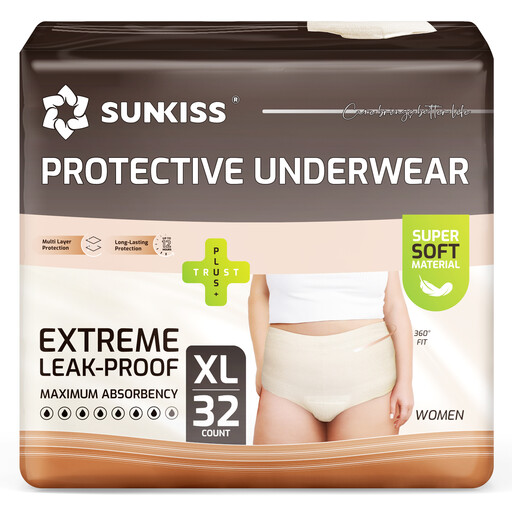
Why This Fits Their Persona: The 32-count pack is practical for regular daytime use, travel planning or trying disposable adult pull-ups for women without committing to a smaller multipack.
Its product description identifies a 360° fit, super absorbent core and odour-lock technology, rather than relying on size alone.
Pull-on underwear design, elastic waistband, lightweight FSC-certified pulp and a 32-count pack.
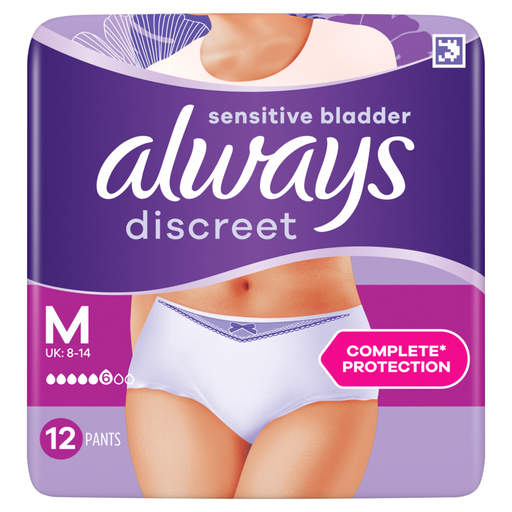
Why This Fits Their Persona: A user prioritising an underwear-like feel may prefer a flexible, low-profile design for daily wear beneath ordinary clothing.
The listed RapidDry core, OdourLock technology and LeakGuard side barriers make the construction clearer than a vague “all-day” claim.
Cottony soft stretch fabric, low waist, 360° FormFit design and a 12-pant pack.
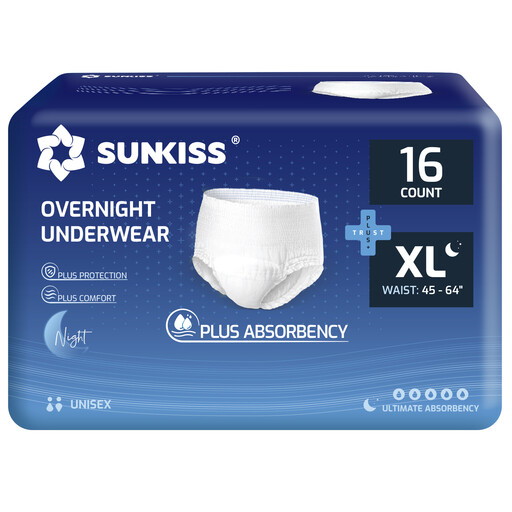
Why This Fits Their Persona: Designed for users seeking overnight incontinence pants, postnatal support or heavier protection during extended rest.
The product specifies a dual-core system, extra-wide core and interior leg gathers, helping shoppers assess protection beyond the word “heavy”.
Latex-free, lotion-free and fragrance-free fabric, odour control, quick-drying construction and multiple sizes.
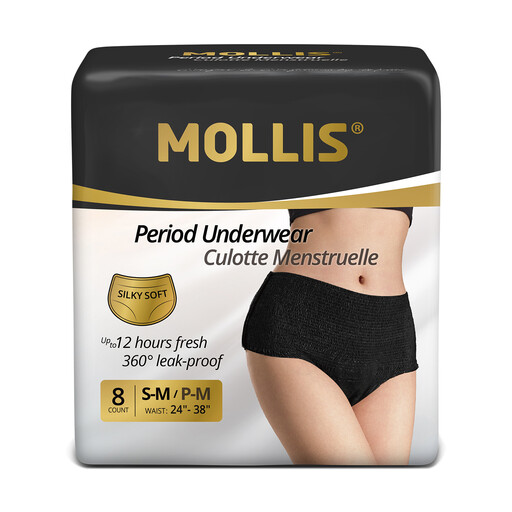
Why This Fits Their Persona: Suitable for shoppers looking for postnatal disposable pants or disposable period underwear for heavy-flow days and overnight use.
Its listed five-layer core, extra-long centre, raised side edges and three-times stretchable waistband reveal how leakage protection is constructed.
Black design, individually wrapped pairs and absorbency described as equivalent to four regular pads.
We have compiled a complete, real-time list of products that fully satisfy these strict selection criteria and UK safety regulations.
Postnatal recovery can involve disposable underwear, maternity pads and other everyday essentials. If you are also considering a postnatal omega-3 supplement, check the label for dosage, fish allergens, vitamin D content and medication warnings. The Nordic Naturals Postnatal Omega-3 product lists 1,120 mg total omega-3s and 1,000 IU vitamin D3 per two softgels, but supplements should not replace a varied diet. Consult a healthcare professional before use if you take medicines, including blood thinners, or have a medical condition.
Some are specifically described for overnight or heavy absorbency, with wider cores, leg gathers and odour-control layers. Choose a close but comfortable fit and change the garment if it becomes saturated. Overnight period pads with wings may be a practical alternative for menstrual flow if you prefer to keep wearing ordinary underwear.
There is no single timetable for every user. Change when the garment is wet, full, soiled or uncomfortable, and follow the product instructions. More frequent changes may be needed during heavy flow, exercise, warm weather or the early postnatal period.
The cost depends on pack size, how often you change and whether you need extra coverage. Calculate the price per garment rather than comparing only the pack price. A larger pack may reduce the unit cost, while a smaller pack can help confirm the fit before buying in quantity.